The Origins of an All Era Brotherhood 1955 to 1963
When the United States Submarine Veterans of World War II organized in July 1955, it brought together men whose lives had been shaped by the submarine war. They had served aboard boats that carried the fighting into Japanese-controlled waters, endured the dangers of wartime patrols, and lost shipmates whose submarines never returned. The association provided a means to renew friendships and preserve the memory of those men. Its membership rules also fixed its future to the generation that had fought the war.
Regular membership was limited to submarine crews and relief crews who had served on active submarine duty between December 1, 1941, and September 1, 1945. Those dates defined a community with a shared wartime experience. They excluded later submarine service as an independent basis for regular membership, even as the Navy continued to commission boats, qualify new submariners, and send crews to sea.
For the veterans who wished to preserve a specifically World War II association, the boundaries gave the organization its identity. Their common experience encompassed lost boats, combat patrols, and friendships formed under conditions that later generations would encounter through history and personal recollection. An association devoted to that experience offered a particular kind of fellowship, rooted in service during the same conflict.
Other wartime veterans became concerned about what those boundaries would mean as the membership aged. With eligibility confined to a completed period of service, the association could not continually replenish its ranks. The men who maintained its activities would eventually be unable to continue, leaving the future care of memorials and the preservation of their history dependent on people outside the organization. Broadening membership would allow younger submariners to share that responsibility while the wartime veterans were still present to pass on their experiences.
The Membership Debate
An effort to open membership to submariners beyond the World War II qualifying period failed at the association’s 1961 national convention. The decision preserved the existing eligibility rules, but it left advocates of broader membership with the same concern about the organization’s future. Among them were men who would later establish United States Submarine Veterans, Inc.
The division developed within the wartime generation itself. World War II veterans seeking broader membership believed that qualification in submarines provided a lasting bond between men whose boats and missions differed. Younger sailors could contribute their own experience while helping preserve the achievements and sacrifices of those who had preceded them. An association open to successive generations could sustain the wartime legacy beyond the lifetimes of its original members.
The membership restriction applied equally to postwar diesel and nuclear submariners. Propulsion did not determine eligibility; service within the prescribed wartime dates did. As nuclear-powered attack boats and ballistic missile submarines became part of the operating force, the technological differences between generations became increasingly visible. The organizational issue remained the same for every sailor whose qualifying submarine service began after the war.
Within the association, preserving a wartime fraternity and building an enduring home for all submariners required different membership policies. The unsuccessful proposal in 1961 left that tension unresolved. Events in the spring of 1963 gave it a new urgency.
The Loss of Thresher
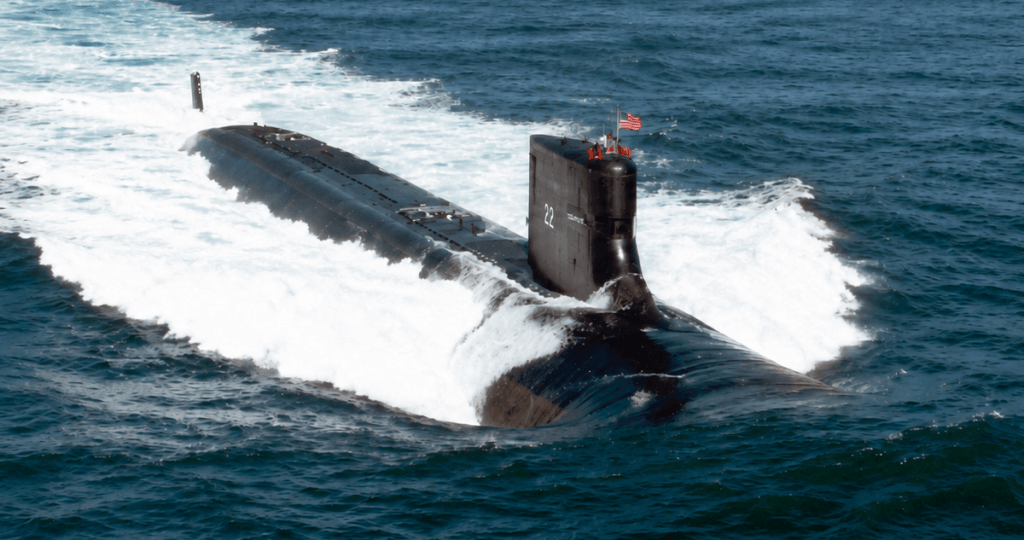
On April 10, 1963, USS Thresher (SSN-593) was lost during deep-diving trials in the Atlantic off New England. All 129 men aboard, including naval personnel and civilians, died. The loss brought the dangers of contemporary submarine service into the center of the veterans’ community and demonstrated the continuing human cost of operations in peacetime.
For veterans advocating broader membership, Thresher underscored the distance between the association’s wartime eligibility rules and the submarine force then serving the country. The men lost aboard her belonged to the continuing history of American submarines, while service in that later force did not itself qualify a sailor for regular membership in the World War II organization. Almost eighteen years after the war’s end, submarine service still demanded lives and left families and shipmates to preserve their memory.
The disaster strengthened the case for an organization whose membership could encompass those succeeding generations. Its responsibilities would include the wartime dead and the men lost in testing, training, and operations after the war. Veterans who had survived combat patrols could join with later submariners in sustaining that work, each bringing knowledge of a different period in the service.
The Decision at Dallas
The membership issue returned at the national convention in Dallas in August 1963. Advocates again sought to admit submariners who fell outside the wartime qualifying dates. Ron “Warshot” Smith remembered the proposal as part of a continuing effort by World War II veterans to secure lasting recognition for their generation, especially the shipmates on Eternal Patrol.
The proposal failed by two votes. The narrow result left the membership restriction in place after another attempt to change it. The World War II association would retain its existing boundaries, and those who sought an organization open to all submariners would have to pursue a separate course.
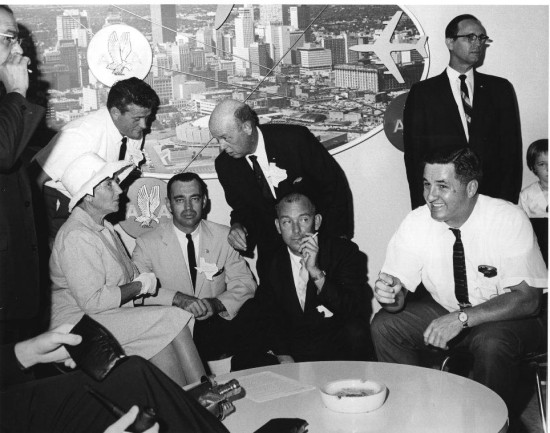
Dominic “Joe” Negri announced his intention to establish USSVI. He and the veterans who shared his position began building an association that qualified submariners could join regardless of when they had served. Their own wartime experience would form part of its foundation, while its membership would remain open to the men who followed them into boats. In the weeks after Dallas, they contacted shipmates across the northeastern states and arranged a meeting in Orange, New Jersey.
II. Founding the Organization 1963 to 1964
On October 12, 1963, sixteen World War II submarine veterans met in Orange, New Jersey, to establish an organization open to submariners of every generation. Led by Dominic “Joe” Negri, they had contacted shipmates in Connecticut, Massachusetts, New York, New Jersey, and Pennsylvania following the unsuccessful membership proposal at the Dallas convention. The gathering brought those efforts together and gave the new association its founding principles and initial governing framework.
The veterans assembled at Orange shared the wartime experience that had defined the older association, but they intended their new organization to include qualified submariners whose service fell outside its membership dates. Their undertaking drew upon existing friendships while reaching toward the operating fleet. Men serving in postwar diesel boats and the expanding nuclear force would be able to join the same association as the veterans who had fought in World War II.
The Creed and the First Officers
At Orange, the founders developed the Creed and National Bylaws. The Creed placed the memory of shipmates who had died in the performance of their duties at the center of the organization’s purpose. Their dedication, deeds, and sacrifice were to inspire further accomplishment, and the concluding pledge expressed loyalty and patriotism to the United States Government.
The commitment extended across the history of American submarines. It encompassed men lost in combat and those killed during peacetime service, allowing the organization to receive later generations without changing the basis of its memorial purpose. Fellowship among living submariners would sustain an association whose responsibilities included the shipmates who could never join its gatherings.
Acting officers were appointed to conduct business until regular elections could be held. Robert Link became acting president, Ken O. Walkington acting vice-president, Joseph Burges acting secretary, and Michael Drucker acting treasurer. These appointments gave the organization a working leadership while its membership and national structure developed.
Link brought experience as a former National Commander of the Submarine Veterans of World War II. His participation connected the new association to the leadership of the wartime fraternity from which its founders had come. Negri supplied the initiative that had carried the effort forward after Dallas; Link and the other officers joined him in turning that initiative into an organization with responsibilities shared among several men.
The founders’ experience also gave them personal connections through which to recruit. Shipmates who had known one another in service or through veterans’ activities could introduce the association to other communities. Those contacts helped establish a membership beyond Orange and Groton before the first national convention convened.
Groton and the Growing Membership
Connecticut Base No. 1, later known as Groton Base, began meeting after the Creed and Bylaws were written in October 1963. Members gathered at the Groton Knights of Columbus Hall, where attendance averaged between sixty and seventy-five. Borrowed space gave the Base a place to conduct business and build fellowship while it worked toward a permanent home.
Groton placed the association close to an active submarine community. The men organizing USSVI could reach sailors whose service was still in progress, including those assigned to nuclear attack boats and ballistic missile submarines. These sailors brought the association into direct contact with the changing fleet and gave practical substance to its policy of welcoming submariners regardless of service era.
By April 1, 1964, national membership included men assigned to USS Lafayette, USS Nathan Hale, USS Robert E. Lee, USS Thomas A. Edison, and USS Haddo, along with sailors associated with diesel-electric boats. Active-duty assignments appeared alongside the home addresses of veterans who had returned to civilian life. The association was becoming a meeting ground for men at different stages of their service and in different kinds of submarines.
Members also lived beyond Connecticut. Groton provided an important local center, but the organization was developing through connections among individuals in several states. Its national reach began with those memberships and the work of people willing to maintain contact across geographical distance. A permanent headquarters and a mature administrative structure would follow the establishment of that network.
Establishing the Corporation
On May 24, 1964, Negri, Walkington, and Joe Marion met with New London attorney L. Patrick Gray III, a retired Navy captain, to establish USSVI on a legal footing in Connecticut. The three men served as signatories associated with its incorporation and charter. Additional charter members included Warren “Ed” Gannon, Angelo LaPelosa, Robert Link, Thomas Rowan, and Hugh Trimble.
The legal organization provided a corporate foundation for the association begun at Orange. Its purposes and initial bylaws had already brought members together; incorporation supported the conduct of its affairs as an enduring body. As its activities expanded beyond the founders’ immediate communities, the organization needed a recognized identity through which successive officers could carry on its business.
The work proceeded while local meetings and recruitment continued. USSVI was taking shape through several connected efforts: the founders had established its principles, acting officers were conducting its affairs, and members were building a presence in the submarine community. Legal organization strengthened that developing structure and prepared it for the responsibilities of a national association.
By June 1964, members were preparing to gather in Atlantic City for the first national convention. The meeting would bring delegates from nine eastern states together for elections and organizational business. The association begun in Orange now had a growing membership and a leadership ready to place its future before the assembled shipmates.
III. Building a National Association
USSVI held its first national convention at the Traymore Hotel in Atlantic City from June 18 through June 20, 1964. Delegates representing nine eastern states gathered under the leadership of Robert Link, who had served as acting president during the organization’s formative months. The convention brought the developing association together to elect officers and conduct national business, giving members from separate communities a common place in its affairs.
Joe Negri was elected National Commander, Ken Walkington National Vice-Commander, Joe Burges National Secretary, and Mike Drucker National Treasurer. Joe Webb, Dick Higham, and Joe Marion became National Directors. The elections established a regular leadership structure for an organization that had begun with acting appointments and depended on members dispersed among several states and submarine commands.
Commander Charles A. Carlisle, commanding officer of USS Tecumseh (SSBN-628), addressed the convention banquet. His participation connected the new veterans’ association to the operating fleet. Founded by World War II submariners, USSVI was already bringing veterans of the submarine war into the same gathering as the leadership of a contemporary ballistic missile submarine.
Connecting the Membership
Maintaining those connections required dependable communication. Members lived beyond the immediate reach of Groton, while active-duty sailors moved between assignments and spent extended periods away from their home ports. Correspondence, telephone calls, and personal meetings carried the work of recruiting and administration. Membership rosters brought names, addresses, boat assignments, and telephone numbers together so that scattered shipmates could remain in contact.
The conventions gave that network a recurring opportunity to meet. From August 13 through August 16, 1965, USSVI held its second national convention at Schrafft’s Motel in New London. Attendance reached 225 members, with fourteen states represented. The wider participation brought additional communities into national activities and established the annual gathering as a continuing responsibility for the organization’s officers and hosts.
For members who could not gather regularly in one place, a convention offered access to the association beyond their local circle. Elections and organizational business shared the occasion with fellowship, allowing men from different boats and periods of service to meet as members of USSVI. Local activity and national participation developed together as the organization expanded.
The Cadillac Raffle and School Street
In Groton, Connecticut Base No. 1 had begun meeting at the Knights of Columbus Hall, where attendance averaged between sixty and seventy-five members. Borrowed space allowed the Base to organize without the expense of owning a building. By 1966, its members were ready to acquire a permanent home and undertook a fundraising campaign to make the purchase possible.
A local automobile dealership donated a gold 1966 Cadillac for a raffle. Members sold 1,000 tickets at ten dollars each, raising money for the down payment on the property at 40 School Street. The campaign converted a local contribution and the members’ ticket-selling efforts into the means to establish a clubhouse of their own.
Built in 1895 as an Ancient Order of United Workmen hall, the building had also served as the Groton Playhouse. Its acquisition gave Groton Base a permanent location for meetings and fellowship, together with the continuing obligations of maintaining and operating the property. A Base that had assembled in borrowed quarters now possessed a home closely connected to the surrounding submarine community.
The organization subsequently designated 40 School Street as its official National Headquarters. USSVI had been incorporated in Connecticut, and the clubhouse furnished an established location owned by Groton Base. The building retained its headquarters designation into the 1980s, serving both the local membership and the wider association.
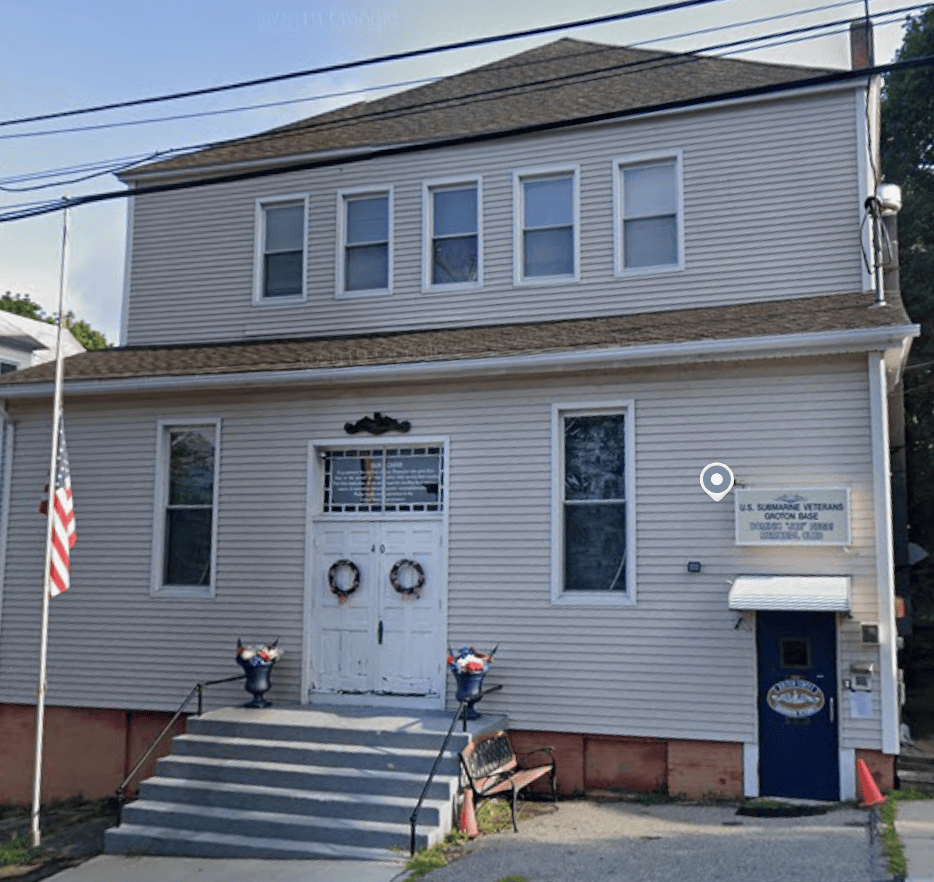
School Street became a place where an active-duty sailor could encounter men whose submarine service belonged to an earlier era. Such meetings offered opportunities for recruitment, although the presence of a clubhouse did not by itself persuade younger sailors to join. The founders still needed to explain what membership could offer a man who already had shipmates aboard his own boat.
Bringing Younger Submariners Aboard
Around 1981, Quartermaster First Class Jerry Tighe brought twenty-two-year-old John “Gumba” Carcioppolo to 40 School Street and introduced him to Negri. Carcioppolo initially saw little reason to belong. The gathering struck him as an extension of the Chiefs’ Club, filled with older men whose activities appeared remote from his interests as a young active-duty sailor.
Negri recognized his reluctance and explained the association through the men who had died aboard submarines. Membership carried an obligation to remember those shipmates and make their service known to others. Their connection to a younger sailor rested in the choice of submarine service and the dolphins they had earned, even when their boats and experiences differed.
Negri also spoke of the fellowship that could remain after naval service ended. A sailor might leave the Navy and move far from his last duty station, but the experience of serving in submarines would continue to connect him with other members. USSVI offered a community in which those relationships could be renewed over the years. Carcioppolo paid his fifteen-dollar membership fee and joined.
The conversation reflected the founders’ continuing work of making an inclusive organization meaningful to its prospective members. Admission was open to younger submariners, but recruitment often depended on a personal explanation of the association’s purpose. Negri could connect the wartime dead with a sailor still serving, then show him why that connection would matter after he left the fleet.
For Negri, participation also extended beyond attendance at the clubhouse. Members who lived elsewhere could support USSVI through their membership, even when distance prevented them from taking part in local meetings. Drinking had no bearing on that commitment. The clubhouse provided a place to gather, while the association’s purpose belonged equally to shipmates across the country.
Sustaining the Purpose
As USSVI grew, its local gatherings and national activities depended on members willing to carry out ordinary organizational work. Rosters needed attention, conventions required preparation, and a permanent building brought expenses as well as opportunities. The association’s reach rested on those practical efforts and on the ability of its officers to keep members connected to a common purpose.
Negri acknowledged that disagreement and frustration were part of organizational life. In his conversations with Carcioppolo, he urged members to keep remembrance and fellowship in view when those difficulties arose. The association could endure arguments over its affairs so long as members continued to understand why they belonged and accepted responsibility for its work.
The Creed gave that responsibility a continuing expression. Recited among shipmates whose service spanned different boats and generations, it linked their fellowship to the men who had died in the performance of their duties. The buildings and meetings sustained the community that would carry out that commitment.
IV. The Creed and Its Development
The Creed adopted at Orange in October 1963 gave USSVI a purpose broad enough to encompass the whole experience of American submarine service. Its opening commitment called upon members to perpetuate the memory of shipmates who had given their lives in the performance of their duties while serving their country. The dedication and sacrifice of those men were to inspire further accomplishment, linking remembrance to the continuing work of the association.
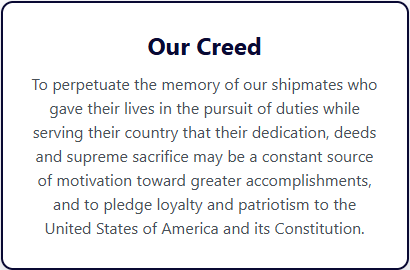
That language carried particular significance for an organization founded after unsuccessful efforts to broaden the membership of the Submarine Veterans of World War II. USSVI’s founders had served during the war, but the obligation they adopted extended beyond its dates. Men lost in peacetime operations belonged within the same commitment as those killed on combat patrols. The Creed could remain relevant as new boats entered the fleet and younger submariners joined the association.
The concluding pledge expressed loyalty and patriotism to the United States Government. For more than forty years, those words stood alongside the commitment to departed shipmates as part of USSVI’s founding language. The organization’s activities developed around that purpose as members established Bases, held conventions, and undertook projects in their communities.
Giving Purpose a Practical Form
USSVI’s constitutional purposes connected the familiar Creed with fellowship and public service. The commitment to departed shipmates was accompanied by a provision for submariners to gather for mutual benefit and enjoyment. The organization also affirmed its support for a strong United States Submarine Force, maintaining a connection with the operating Navy as well as the veterans who had left it.
Fellowship gave members opportunities to renew friendships and meet other men whose submarine service provided a common frame of reference. A gathering could bring together veterans of different boats and periods of service without requiring them to have shared the same patrols. These relationships helped sustain the voluntary work on which the organization depended and gave younger members a place within an established submarine community.
The educational purpose extended that community’s work beyond its own membership. USSVI committed itself to projects and deeds that would perpetuate the remembrance of shipmates who had made the supreme sacrifice. It also undertook to educate others about submarine service and the contribution of that sacrifice to the freedoms enjoyed by the country.
These purposes allowed local Bases to carry out work suited to their communities while remaining connected to the association’s national mission. A public memorial could preserve the names of a lost crew, and a historical presentation could explain their service to people unfamiliar with submarines. Members could draw upon their own experience while helping audiences understand boats and operations from other periods.
The distinction between fellowship and public education gave each a clear place in USSVI. Members gathered for their own mutual benefit, but they also accepted responsibilities that reached beyond the meeting room. The Creed supplied a reason to undertake those responsibilities and a standard by which the usefulness of organizational activity could be considered.
The Constitutional Revision of 2008
In 2008, USSVI’s membership approved a broad revision of the Constitution and Bylaws that included the first alteration of the Creed in more than forty years. The concluding reference to the United States Government was replaced with a pledge of loyalty and patriotism to the “United States of America and its Constitution.” The opening commitment to departed shipmates remained in place.
The revised wording identified the nation and its constitutional foundation as the objects of the members’ continuing loyalty. For veterans who had taken an oath to support and defend the Constitution, the phrase carried a familiar connection to military service. It gave the association’s pledge an explicit reference to the constitutional order under which they had served.
The change also distinguished enduring national allegiance from the administration of government by particular officeholders. USSVI’s members could hold different views about public affairs while sharing a pledge directed toward the country and its Constitution. The revised conclusion joined that common allegiance to the memorial purpose established in 1963.
The amendment preserved the substance of the founders’ commitment while demonstrating that members could revise its expression through the organization’s constitutional processes. The Creed continued to belong to the association as a governing statement, carried forward by members who accepted responsibility for both its language and the work it required.
Words Carried into Practice
Long use gave the Creed a place in the association beyond its governing text. Its wording appeared in organizational materials and commemorative objects, and its recitation brought the founding commitment into gatherings of shipmates. Repeated over the years, it connected members entering USSVI with a purpose already familiar to those who had belonged for decades.
That continuity depended on activities giving the words practical meaning. A memorial required care after its dedication, and an educational project required members willing to prepare and present it. The association’s purposes joined those efforts to the remembrance of individuals whose names and service might otherwise become less familiar as time passed.
Tolling the Boats gave the Creed a particularly direct ceremonial expression. Its preamble identified the honoring of fallen submariners as fundamental to USSVI’s purpose and explained the observance to those attending. The reading of a boat’s name and the sounding of a bell turned the opening commitment into an act shared by members, families, and visitors.
For people outside the submarine community, the introduction established why those losses continued to be remembered. For members, the ceremony renewed a responsibility expressed in the organization’s founding language. Each named boat brought that commitment to bear on a particular loss, giving the Creed a public voice in the company of those gathered to honor its crew.
V. Tolling the Boats
Tolling the Boats originated with the Submarine Veterans of World War II as a formal observance honoring submariners who had died in the line of duty. Through the reading of submarine names and the sounding of a bell, the wartime brotherhood preserved the memory of boats and shipmates that had not returned. USSVI carried the practice into an association whose membership and memorial purpose embraced every generation of American submariners.
Within USSVI, the ceremony brought losses from different periods of submarine history into a shared observance. Early boats, World War II fleet submarines, and the nuclear-powered Thresher and Scorpion belonged to the same memorial roll. Their crews had served under different conditions, but each loss formed part of the history that members had undertaken to preserve.
An introductory preamble explained the ceremony to those attending. It connected the observance to the Creed and placed the reading of the names within the organization’s responsibility to honor departed shipmates. Families and visitors could understand why the gathering took place even when a particular hull number or loss was unfamiliar to them. For members still serving or recently returned from the fleet, the ceremony also connected their own service with that of the crews being remembered.
A Shared National Observance
USSVI developed a common ceremonial roll of sixty-five submarine losses, encompassing fifty-three wartime losses and twelve in peacetime. The wartime total included one boat lost during World War I and fifty-two during World War II. The roll extended remembrance beyond the boundaries of a single conflict and gave Bases a common framework for conducting the observance.
Each entry identified a submarine and recalled its loss, followed by a bell. The sequence allowed the audience to recognize each boat individually while placing it within the larger record of the submarine force. A common format helped members conduct the ceremony in different communities without losing the relationship between the named boat, the circumstances of its loss, and the men who had served aboard her.
The breadth of the roll reflected the purpose USSVI had adopted at its founding. Peacetime collisions and operational accidents appeared alongside combat losses. The deaths of men in a diving trial or a training casualty received a place in the same observance as those killed during a war patrol. Their inclusion gave practical expression to a memorial commitment grounded in the performance of duty.
The history of a listed boat did not always end with a wreck remaining beneath the sea. Some submarines on the roll were subsequently salvaged. Their place in the ceremony preserved the loss as part of submarine history, including the casualties associated with it, rather than depending solely on the final location of the hull.
The Men Behind the Numbers
The accounts accompanying the names preserved important differences among the losses. When everyone aboard died, the total complement and casualty count were the same. Where men escaped or survived captivity, the ceremony needed to distinguish those who lived from those who were lost.
USS Tang (SS-306) was remembered with seventy-eight men lost and nine survivors who became prisoners of war and survived the conflict. USS Flier (SS-250) was lost with seventy-eight men, while eight survivors were later rescued by USS Redfin (SS-272). These accounts gave the dead their proper place without erasing the survival of shipmates whose experiences also belonged to the boats’ histories.
Other entries recorded the loss of a submarine without fatalities. The crews of USS S-27 (SS-132) and USS S-36 (SS-141) survived the loss of their boats. Their inclusion showed that the roll preserved the history of lost submarines as well as the deaths associated with them. The spoken account retained the distinction, allowing a boat to be named without implying that her crew had perished.
The 129 men lost aboard USS Thresher (SSN-593) included naval personnel and civilians. Their presence together during the boat’s deep-diving trials reflected the work required to test and operate a submarine. Remembering the full loss included the shipyard and technical personnel who had gone to sea alongside the naval complement.
Such details gave each toll a particular human meaning. Some boats vanished with everyone aboard, others left survivors who endured captivity, and still others were lost after their crews reached safety. A shared ceremonial form held those experiences together while allowing the individual histories to remain distinct.
The Concluding Remembrance
The named roll was followed by a remembrance of submariners who had died in the course of their duties when their boat was not itself lost. This final toll extended the observance to deaths that a list of lost hulls could not encompass. Men killed individually or in groups aboard boats that survived remained within the organization’s memorial commitment.
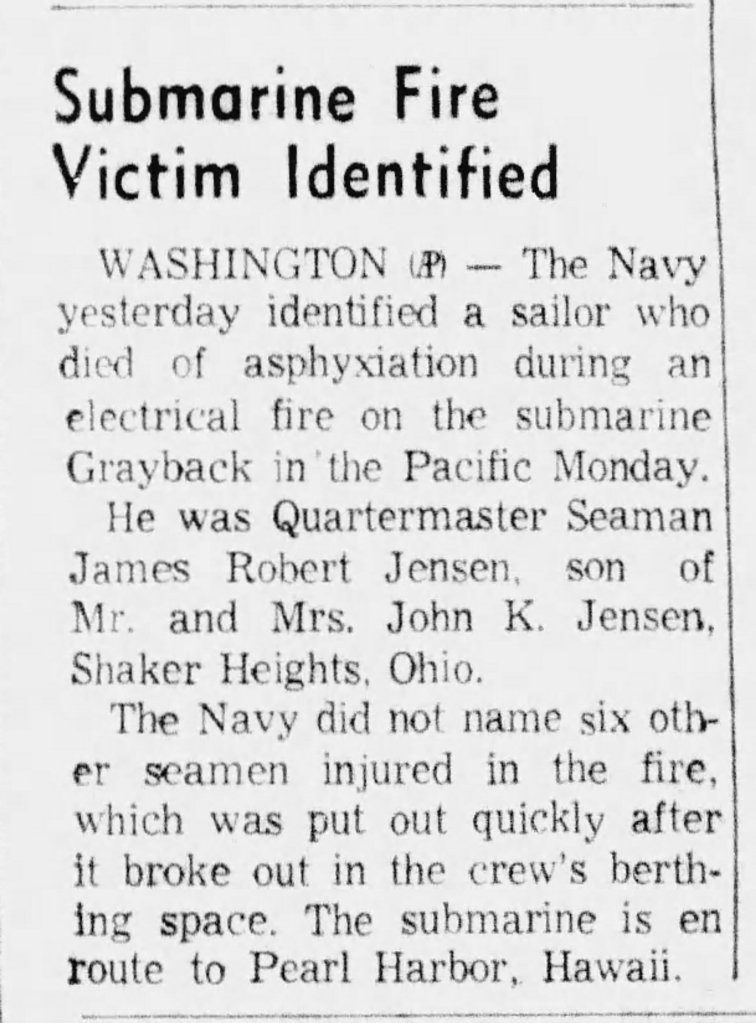
Submarines could return to port after fires, collisions, or other casualties that had taken the lives of shipmates. The survival of the vessel did not diminish those losses. The concluding remembrance gave them a place in the ceremony without requiring every fatal incident to become an entry on the lost-boat roll.
The distinction also preserved the scope of the observance. Reading the named boats recalled particular vessel losses; the final toll honored those whose deaths occurred elsewhere in submarine service. Together, these elements allowed USSVI to remember beyond the sixty-five names while maintaining a recognizable national ceremony.
Remembering Boats That Vanished
Many World War II submarines disappeared without survivors who could explain what had happened. Patrol communications and later investigations sometimes established an approximate area or probable cause, while the final sequence remained unknown. The memorial accounts retained that uncertainty through restrained descriptions of possible causes and estimated dates.
The absence of a complete explanation did not prevent a boat and her crew from being remembered. A ceremony could acknowledge a disappearance without assigning a certainty that the surviving evidence did not provide. The loss remained part of the submarine force’s history even when its circumstances could be described only in part.
Later discoveries and historical investigation could add to the understanding of those boats. The continuing work of identifying wrecks and examining wartime records gave members and families more information about crews whose fate had long been uncertain. Remembrance endured while knowledge of an individual loss developed.
The ceremony’s essential form remained direct. A preamble established its purpose, the boats were named, and the bell marked each loss. The concluding toll brought other departed submariners into the observance. Members conducting the ceremony accepted responsibility for speaking those names before an audience that included people with no personal memory of the boats or their crews.
Through that repeated act, Tolling the Boats carried the Creed into public life. The organization’s promise to remember took the form of particular names and losses, spoken in gatherings maintained by living shipmates. As the veterans who established the practice grew older, later members assumed their places at the bell and continued the observance.
I. Institutional Governance Documents & Administrative Manuals
United States Submarine Veterans, Inc. National Constitution and Bylaws. Groton, CT: United States Submarine Veterans, Inc., amended 2008, 2020.
United States Submarine Veterans, Inc. Policy and Procedures Manual. Section 1, “USSVI Historic Development”; Section 9, “Tolling the Boats Ceremony”; Section 10, “Lost Boats Information.” National Board of Directors, 2020. Rev. September 2025. https://ussvicentraltexasbase.org/wp-content/uploads/2020/03/2020_USSVI_POLICIES_AND_PROCEDURES_MANUAL.pdf.
United States Submarine Veterans, Inc., Perch Base. Policies and Procedures Manual and Meeting Minutes. Glendale, AZ: Perch Base USSVI, 2020–2025. https://www.perch-base.org/.
United States Submarine Veterans, Inc., Central Texas Base. Policy and Procedures Manual. Austin, TX: Central Texas Base USSVI, 2020.
II. Historical Monographs, Academic Studies & Syntheses
Christley, Jim. “U.S. Submarine Warfare in World War I.” American Submariner (Third Quarter 2026): 18–24.
Goodman, William A. “United States Submariners’ Identity During World War Two.” Master’s thesis, Texas State University, 2015. Texas State University Digital Repository. https://digital.library.txst.edu/bitstreams/4eb255a5-5404-4125-967b-9d835fd920b0/download.
Hood, Charles. “Appendicitis at Sea During WWII: The Valor and Ingenuity of the Submarine Corpsman.” American Submariner (First Quarter 2024): 22–27.
———. “Where Submarines Go to Die.” American Submariner (Second Quarter 2025): 14–19.
Koester, Peter J. “Institutional Governance and Heritage Preservation: An Exhaustive Analysis of the USSVI National Historian.” Research monograph and historical documentation, USSVI National Staff, 2018.
Preliminary Design Branch, Bureau of Ships. Depth Charge, Bomb, Mine, Torpedo and Gunfire Damage Including Losses in Action: 7 December 1941 to 15 August 1945. Submarine Report, vol. 1–3. Washington, DC: Navy Department, 1949.
III. Periodicals and Serial Publications
American Submariner. Official Quarterly Publication of the United States Submarine Veterans, Inc. Published in Silverdale, WA, and Groton, CT. Selected issues examined:
- 2005–2007 (Vol. 1, No. 1 through Vol. 3, No. 4)
- 2015–2016 (UFDC Image Array 2, University of Florida Digital Collections)
- 2018–2026 (Quarterly editions: Q1 2018 through Q3 2026)
The Submarine Review. Annandale, VA: Naval Submarine League, July 2001.
Submarine National Review. National Association of Submarine Veterans, selected issues 1971–1972, 1993. University of Florida Digital Collections (UFDC).
IV. Web Archives, Patrol Logs, and Digital Repositories
Bremerton Base USSVI. Patrol Reports: Stories from the US Submarine Force. Edited by the Bremerton Base Historian and USSVI National Historian. Accessed 2025–2026. https://bremertonbasehistorian.org/.
- “41 Cold War Sentinels: USS Von Steuben (SSBN-632).” September 17, 2025.
- “The Last Act of the USS O-9 Submarine Tragedy.” September 20, 2025.
- “A Submarine’s View of Carlson’s Raiders, August 1942.” August 17, 2025.
- “41 Cold War Sentinels: USS John Adams (SSBN-620).” October 30, 2025.
- “41 Cold War Sentinels: USS George Bancroft (SSBN-643).” November 2025.
Martini, Ron. SubmarineSailor.com. Open-access submarine database, primary source documents, and the Submariners Dictionary. Accessed 2020–2026. https://submarinesailor.com/.
USS Drum (SS-228) Memorial. “USS Drum (SS-228) War Patrol Reports.” Battleship Memorial Park, Mobile, AL. Accessed 2026. https://www.drum228.org/patrols.html.
United States Submarine Veterans, Inc. “History – USSVI.” Official Organizational Portal. Accessed 2026. https://ussvi.org/about-us/ussvi-history.
United States Submarine Veterans, Inc., Bowfin Pearl Harbor Base. “History of USSVI and Base Founding.” Accessed 2026. https://bowfinpearlharborbase.com/history/.
V. Archival, Biographical & Obituary Records
Mystic Funeral Home. “Obituary Information for Master Chief William T. ‘Doc’ McCance, HMCM(SS), USN (Ret.).” Mystic, CT, 2022. https://www.mysticfuneralhome.com/obituaries/William-T-McCance.
The Day. “Obituary for STS1(SS) John I. Wynn, USSVI National Archivist.” East Lyme, CT: The Day / suspicious link removed, 2012. https://www.legacy.com/us/obituaries/theday/name/john-wynn-obituary?id=19392501.
United States Submarine Veterans, Inc., Groton Base. “Records of the Dominic ‘Joe’ Negri Memorial Clubhouse (40 School Street) and the 1966 Cadillac Raffle.” Base #1 Archives, Groton, CT, 1966–2025.