
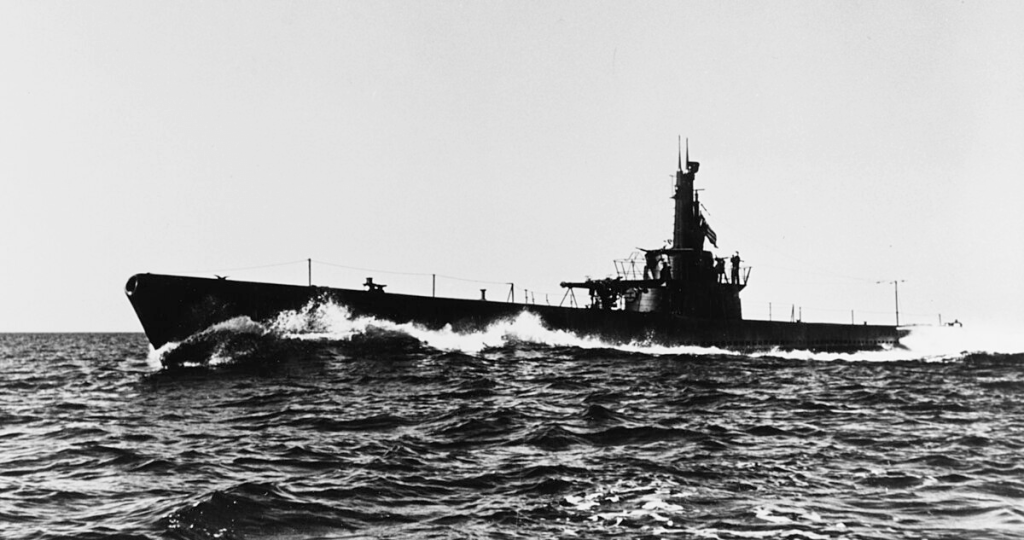
November 11, 1943
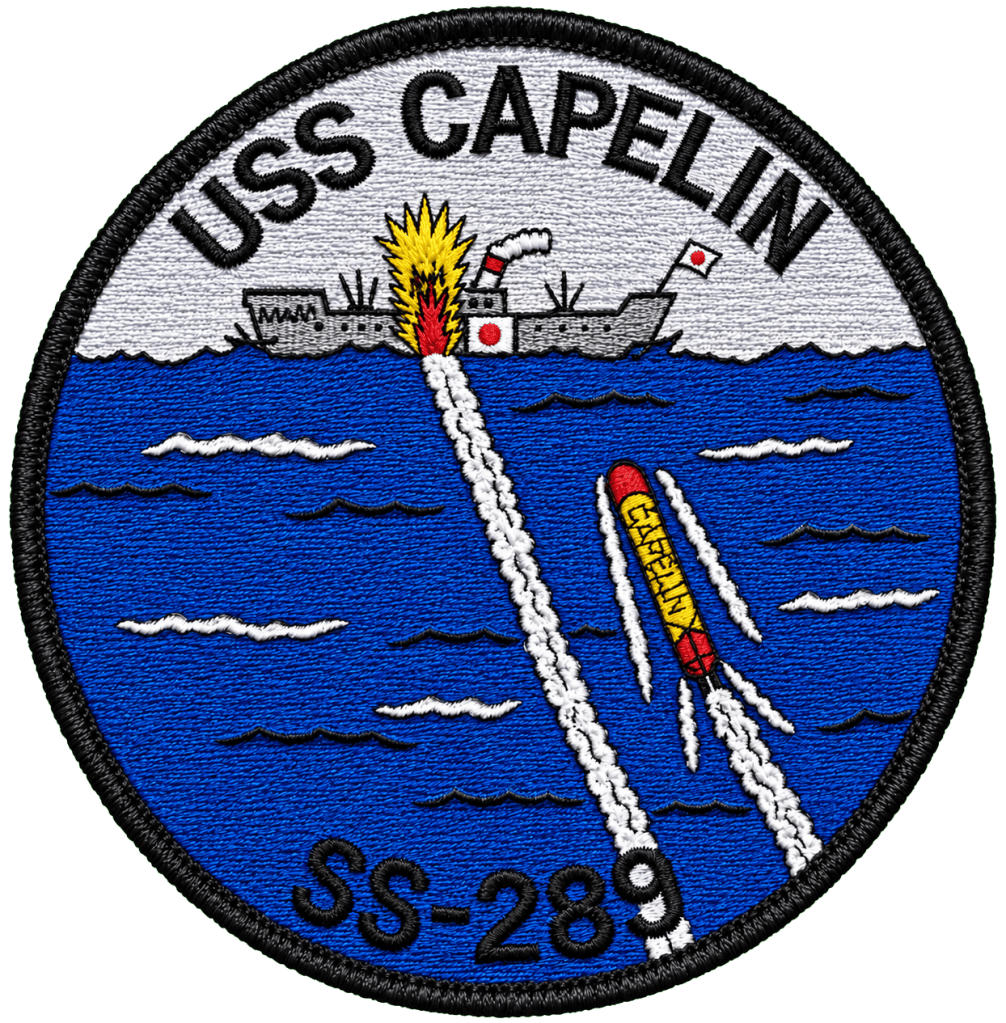
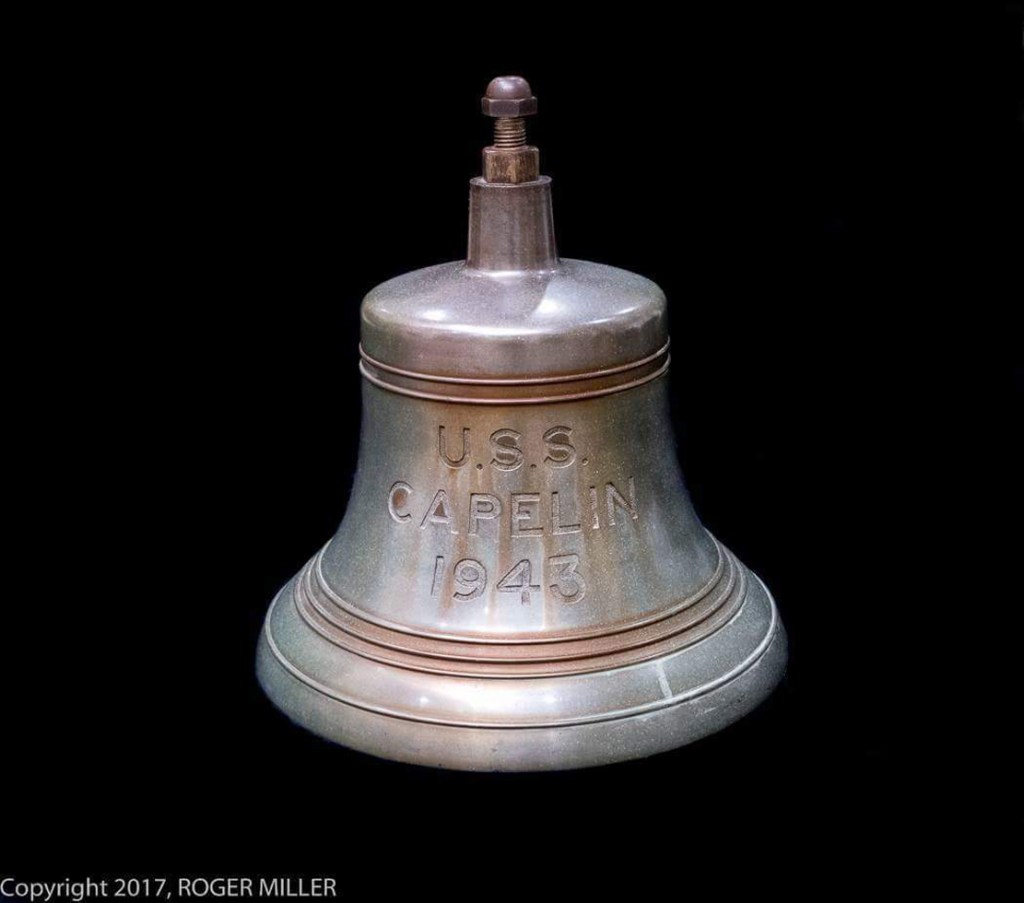
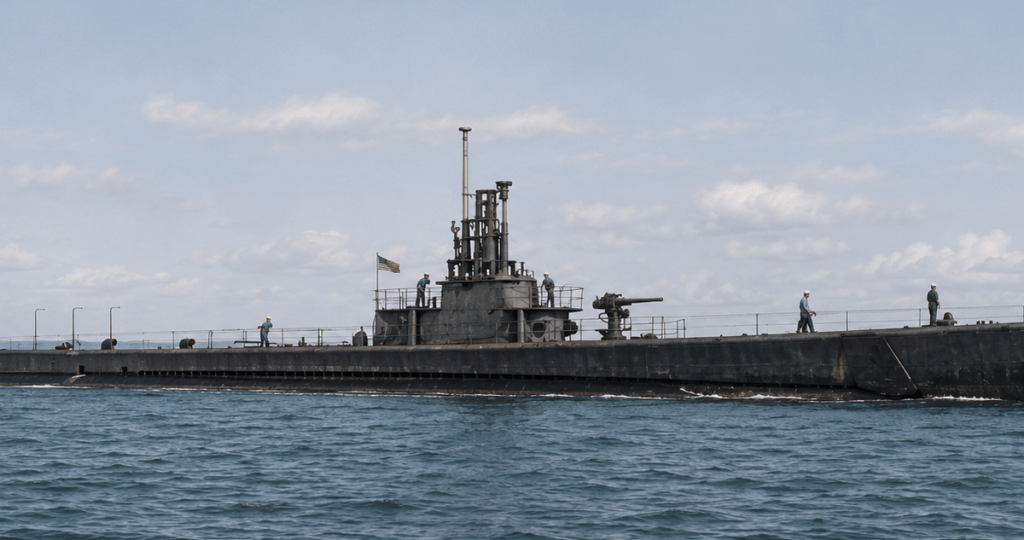
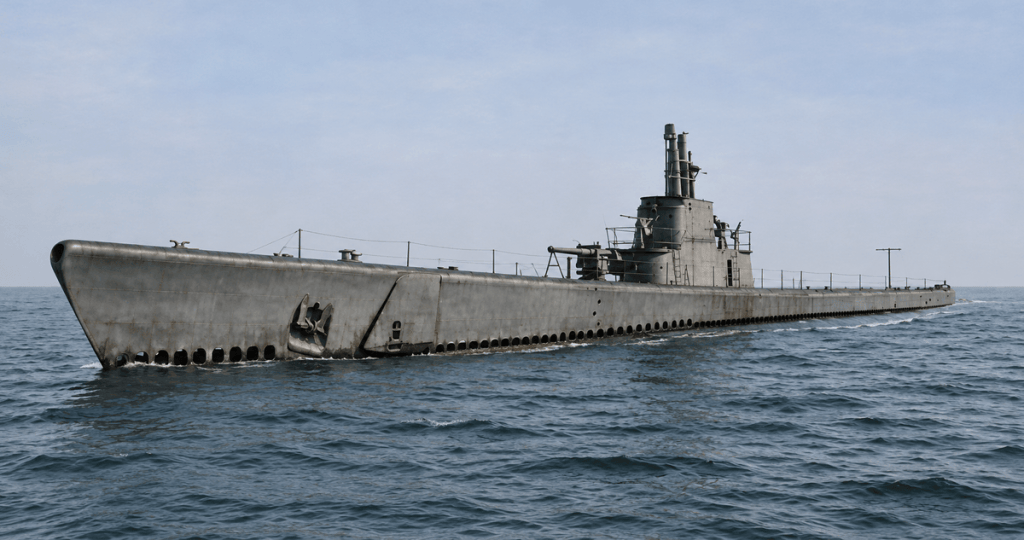
At 2354 on November 11, 1943, the commanding officer of USS Capelin (SS-289) closed a long day of combat with a characteristically dry entry in his patrol report: “Armistice Day Celebration, Jap version, ended.” For Commander Elliott E. Marshall and his crew, the anniversary of the armistice that ended the First World War had brought repeated torpedo attacks, an approaching escort, a torpedo stuck in its tube, and sounds so alarming that men aboard briefly believed their own submarine was breaking apart.
Capelin was on her first war patrol, operating among the islands of the eastern Netherlands East Indies, now Indonesia. Around Ambon and neighboring Ceram, narrow passages carried Japanese shipping through waters that offered opportunities for a submarine willing to work close to shore. Those same waters also imposed limits. Islands complicated an approach, beaches restricted maneuvering room, and Japanese aircraft and escorts could intervene before an attack was finished.
The day began with Capelin submerged outside Ambon Bay. At 1228, Marshall sighted smoke bearing northwest in Kelang Strait and moved to intercept. More than an hour later, the target’s mast and stack appeared, farther east than he had expected. The Japanese ship had followed the coast despite currents that, according to the sailing directions, should have discouraged that route. Marshall’s frustration produced a wish to capture a Japanese merchant captain and retain him as the submarine’s “official crystal ball gazer.”
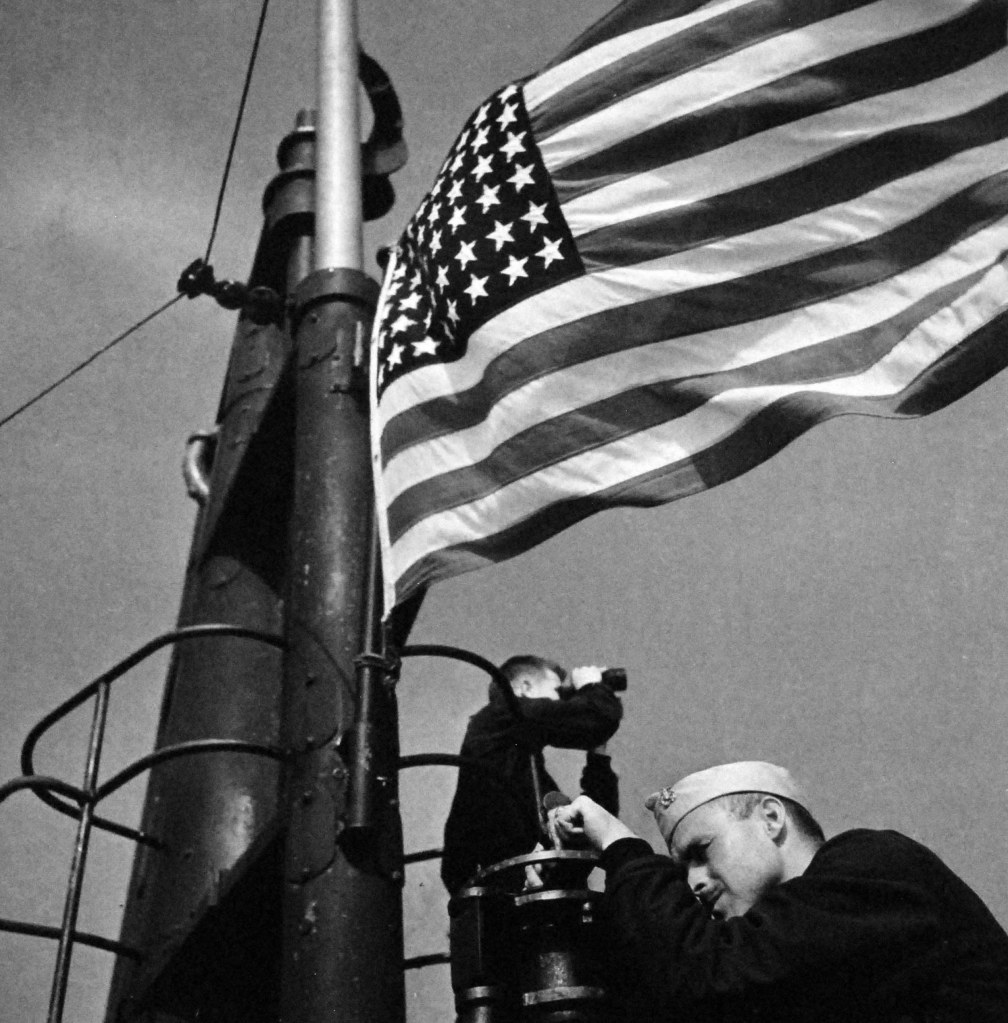
By 1400, Capelin had closed to approximately 4,500 yards. The sea was so smooth that exposing the periscope risked advertising the submarine’s presence. Marshall used only inches of it and took the boat down to 150 feet between observations. The target’s unusual appearance also made estimates of size and draft uncertain, adding another complication to the firing solution.
At 1415:53, Capelin fired the first of four torpedoes. Less than three minutes later, Marshall saw a tremendous column of water rise on the far side of the target, approximately amidships. Another eruption followed ahead of the ship. What he expected to become a decisive attack instead presented him with a puzzle: the merchantman turned toward the beach and continued at about eleven knots.
Marshall believed torpedoes had passed beneath the target and that one explosion had set off another torpedo nearby. These were his judgments from the periscope, supported by the timing and position of the explosions, rather than findings established by a later examination. His immediate problem was that four torpedoes had produced a ship that was still moving.
As Capelin followed, damage became more apparent. The target settled by the stern and developed a starboard list. By 1530, she was close to a sandy beach facing a group of huts, with several sailboats nearby. Nevertheless, she retained steam, and Marshall saw little evidence that she was about to sink.
He initially decided to leave. The attack had taken place only about twenty-two miles from Ambon, and every additional minute increased the opportunity for Japanese aircraft or antisubmarine vessels to arrive. He considered returning the following night and using the deck gun if the ship remained there.
At 1642, another observation changed his mind. The merchantman lay parallel to the beach, afloat and on an even keel, apparently stationary. No aircraft or escorts had appeared. Marshall disliked the prospect of abandoning a target after expending four torpedoes for what still looked like limited damage. He turned back.
At 1723, the range was down to 2,000 yards. Men in white clothing were visible aboard the ship and on the beach. Capelin maneuvered to bring a stern tube to bear, and at 1739:30 fired again.
This time, the result was unmistakable. Ninety-two seconds later, the torpedo struck the ship’s center. Marshall described a flash twice her height, an inverted V where her middle had been, and wreckage silhouetted against red flame before smoke obscured the scene. Five torpedoes had finally accomplished what he believed should have required one. Whatever the expenditure, he judged the result worthwhile for its effect on the crew’s morale.
The fighting continued after dark. At 2143, following another contact that she had been unable to intercept, Capelin sighted a freighter near Kelang Island. An escort soon appeared off its starboard quarter. The submarine’s radar failed to acquire a target plainly visible through the periscope, leaving Marshall to conduct the approach with equipment he could no longer trust.
At 2224:04, Capelin began firing a four-torpedo stern spread. One hit followed, enveloping the freighter in black smoke. The target turned toward the submarine and the nearby beach while the escort maneuvered toward the action. Explosions followed, but their sources were difficult to determine. Marshall recorded the encounter in unusual detail because he hoped the evidence might help others explain events that remained uncertain even to the men who had witnessed them.
The situation became more dangerous at 2241. A torpedo in No. 8 tube failed to leave when fired. It had moved far enough forward to prevent the outer door from closing, leaving the after torpedo room unable to secure the tube while depth charges were beginning to fall. Marshall knew he might soon have to take the submarine deep.
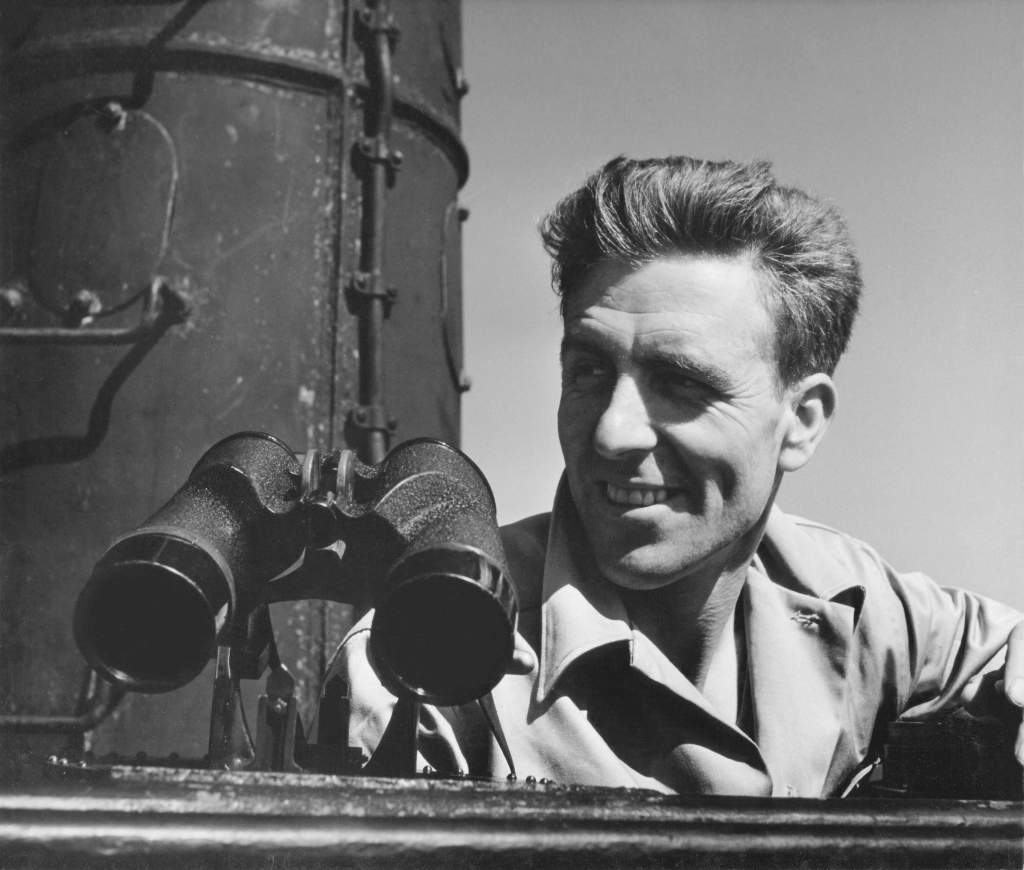
Four minutes later, the crew cleared the tube by firing the torpedo toward the beach. At 2247, Capelin fired two bow torpedoes at the freighter. Marshall candidly acknowledged that he had intended to assign one to the merchantman and one to the escort, but had failed to tell the fire-control party. Both went toward the freighter. One hit fifty-eight seconds later, and the target’s screws stopped.
Capelin descended to 400 feet as depth charges exploded. Then a cracking and groaning noise carried through the submarine, accompanied by reports of distant explosions. For a moment, the men feared the sounds came from their own boat. Marshall ordered a shallower depth and a check of sea pressure. When that check proved normal, he concluded that they were hearing the freighter break apart nearby.
Sixteen depth charges were recorded during the encounter. Attempts to regain periscope depth were frustrated by a rumble from the bow planes; each time they were put on rise, another charge followed within thirty seconds. Finally, shortly before midnight, Marshall entered his sardonic conclusion to the day’s celebration.
Postwar JANAC accounting credited Capelin with one sinking on November 11: the 3,127-ton cargo ship Kunitama Maru. The patrol report preserves a more complicated account of the day’s fighting, including the apparent destruction of another target. The distinction matters. What men could reasonably conclude during an attack did not always become a confirmed sinking when the records were examined after the war.
Capelin returned to Darwin, where defects involving her conning-tower hatch mechanism, noisy bow planes, and radar received attention. On November 17, she sailed again. Her crew carried the experience of a difficult first patrol and the satisfaction of having brought their boat through a demanding day of combat.
In December, the Navy would try to reach her by radio and receive no answer. A submarine sighted by Bonefish on December 2 may have been Capelin, but her final movements remain uncertain, as do the date and cause of her loss. The November 11 report survives because she came home to deliver it. From the patrol that followed, there would be no account from Marshall explaining what had happened, and no final entry marking the danger’s end.


Leave a Reply