Naming USS Connecticut
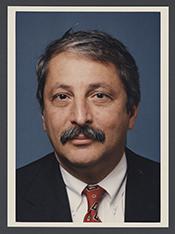
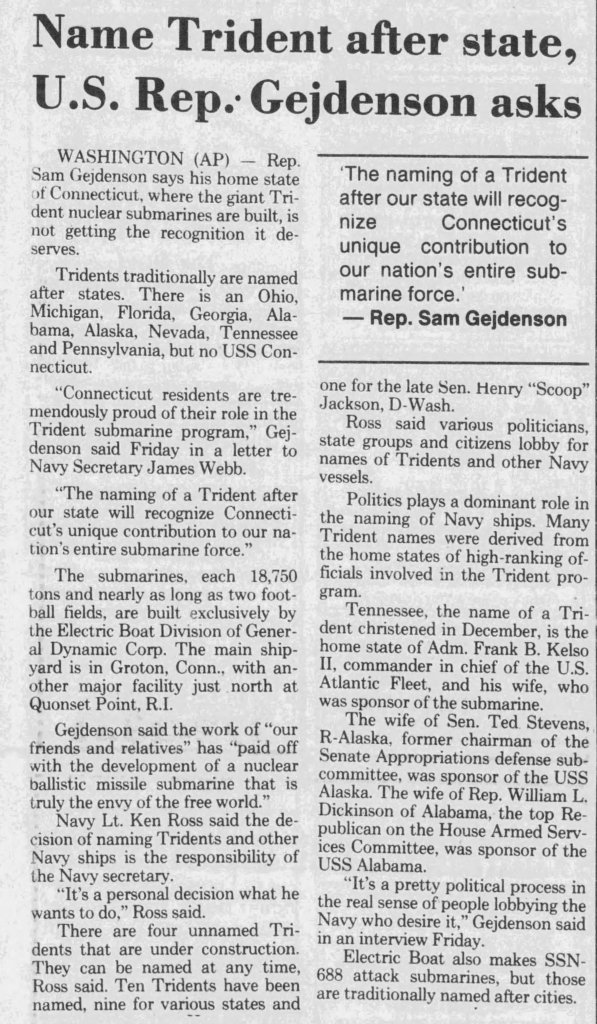
On November 7, 1987, the Connecticut Post ran an Associated Press story about a name missing from the Navy’s newest class of ballistic missile submarines. There was an Ohio, a Michigan and an Alaska, among others. There was no Connecticut. Representative Sam Gejdenson had written to Secretary of the Navy James Webb to point out that Electric Boat, the sole builder of the Trident submarines, had its main shipyard in Groton. Four boats under construction still needed names. Gejdenson wanted one of them to recognize the people who built them.
As Navy spokesman Lt. Ken Ross explained to the AP, elected officials and citizens could make their case. The decision belonged to the Secretary of the Navy. The story pointed to the ties already being forged at christenings. The sponsor of Alaska was the wife of Senator Ted Stevens, who had chaired the Senate defense appropriations subcommittee. The sponsor of Alabama was the wife of Representative William Dickinson, the ranking Republican on House Armed Services. Gejdenson’s appeal was itself an example of the process Ross described.
From Fish to Cities and States
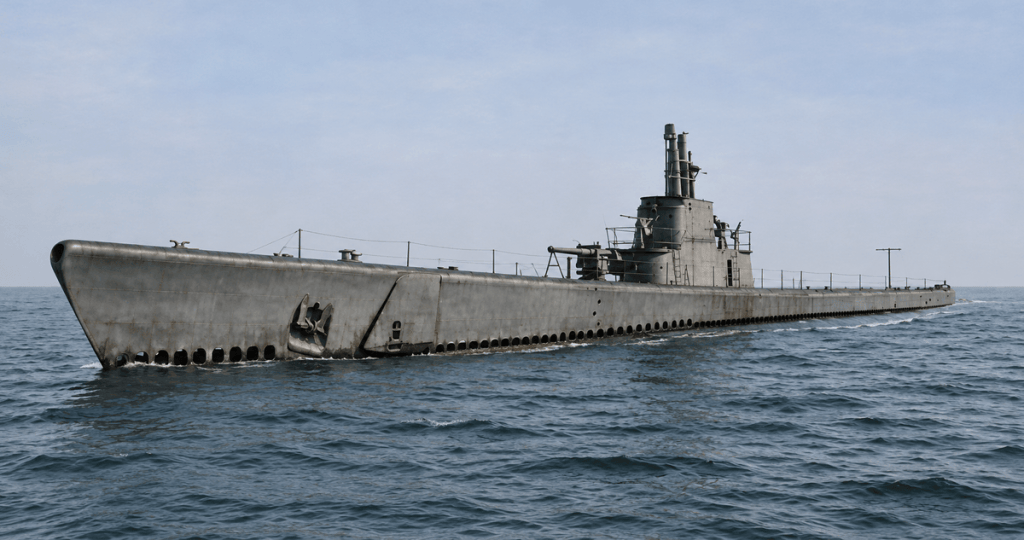
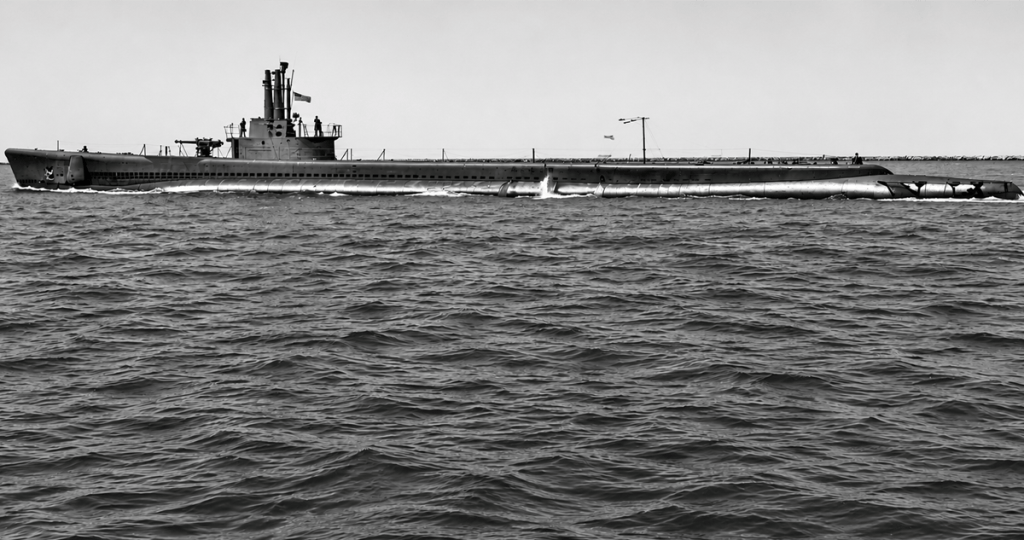
The Navy had been changing its mind about submarine names since the first boats entered service. Holland, commissioned in 1900, honored the man who designed her. The next generation included Adder and Tarantula, creatures whose names suggested what a small boat might do to a much larger ship. In 1911 the Navy renamed boats with letters and numbers. When it returned to marine names for new submarines in 1931, the older boats kept their designations. S-boats still served during World War II alongside fleet boats with names such as Gato and Balao. After the war, the Navy carried some of those names forward. The postwar Tang (SS-563) carried on the name of the wartime Tang (SS-306), lost on her fifth patrol.
Early nuclear attack boats such as Nautilus and Skipjack kept the marine tradition. The first generation of ballistic missile submarines drew instead on figures from history. Boats in the group remembered as the 41 for Freedom included George Washington and Ethan Allen. Then in 1971, Secretary of the Navy John Chafee named the first boat of the new attack class Los Angeles. The Navy’s naming history credits Admiral Hyman Rickover with backing the move and attributes to him the familiar explanation, “Fish don’t vote.” A city gave the Navy a community with a reason to follow the boat and lawmakers with a reason to take an interest in the program.
For the Trident boats, the Navy took up state names once associated with battleships. Even that convention yielded when President Ronald Reagan announced in 1983 that SSBN-730, already named for Rhode Island, would honor the late Senator Henry “Scoop” Jackson, a leading advocate of the Trident program. A later boat, SSBN-740, carried the name Rhode Island. Seventeen of the eighteen Ohio-class submarines ultimately took state names. Connecticut was absent from the list.
The Boat That Carried Connecticut
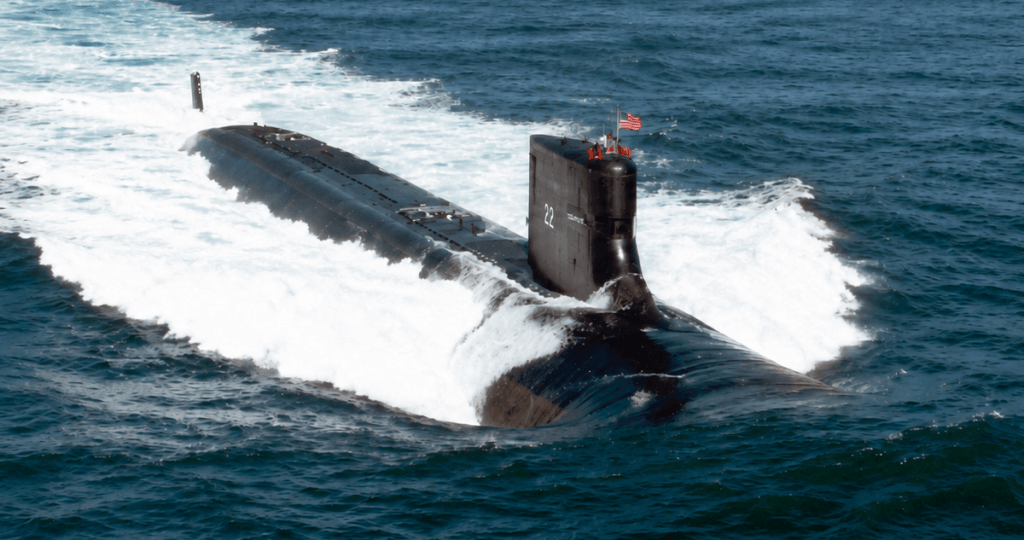
On Labor Day 1997, Gejdenson spoke at Electric Boat as the yard christened Connecticut (SSN-22). Governor John Rowland put into a sentence what the congressman had been asking for a decade earlier. “After years of producing submarines, we finally have ours,” he told the crowd. Secretary of the Navy Sean O’Keefe had chosen the name for the second boat of the Seawolf class, a nuclear-powered fast attack submarine. She was commissioned on December 11, 1998. The state’s previous namesake, battleship Connecticut (BB-18), had led the Great White Fleet out of Hampton Roads in 1907. The name had gone from the flagship of a battle fleet to a boat built for work beneath the surface.
The three Seawolf-class boats make a particularly good record of how much discretion the Navy had. John Lehman chose Seawolf as a return to the old marine names. O’Keefe named the next boat for a state, borrowing the convention then used for the Tridents. John Dalton named the third for Jimmy Carter, a former president who had qualified in submarines. Three secretaries had found three different precedents worth following in a class of just three boats.
State names became the pattern for the early Virginia-class attack boats, and the class eventually made room for other names. In 2020 the Navy announced that two future boats would be called Tang and Wahoo. Each name had already served aboard a World War II fleet boat and a postwar diesel submarine. By choosing those names again, the Navy gave new crews a connection to the crews who had served under them.
There was one more turn in the story. In January 2025, Secretary of the Navy Carlos Del Toro announced that SSBN-828, a future Columbia-class ballistic missile submarine, would be named Groton. An Ohio-class missile boat had never carried Connecticut’s name. Now a submarine built for the same strategic mission would carry the name of the town where Gejdenson’s argument began. In 1987 he had asked the Navy to remember where the boats came from. With Groton, it put the shipyard’s hometown on a ballistic missile submarine.
Sources
Associated Press, “Name Trident after state, U.S. Rep. Gejdenson asks,” Connecticut Post, November 7, 1987, p. 23.
Department of the Navy, report to Congress on ship naming policies and practices, 2012.
Naval History and Heritage Command, “Connecticut IV (Battleship No. 18).”
Electric Boat News, “Second Seawolf, Connecticut, is christened,” September 1997, p. 1.
Naval Sea Systems Command, “Shipyard finishes maintenance on USS Connecticut,” 2019.
U.S. Navy, announcement of the names Tang and Wahoo, November 17, 2020.
U.S. Navy, announcement of the name of SSBN-828, January 13, 2025.


Leave a Reply