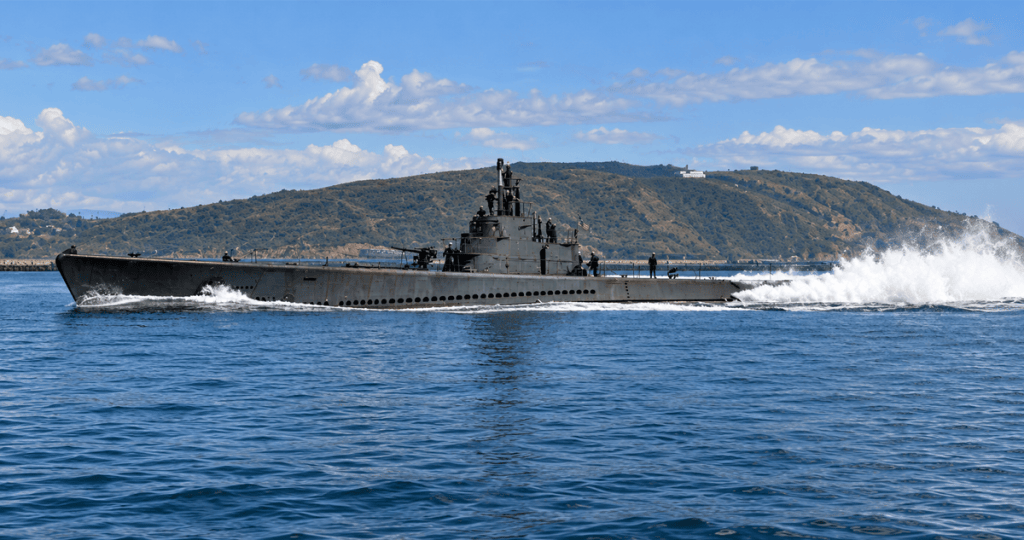
Wayne Houston Cotton, USS Seawolf, and the Obligation to Remember
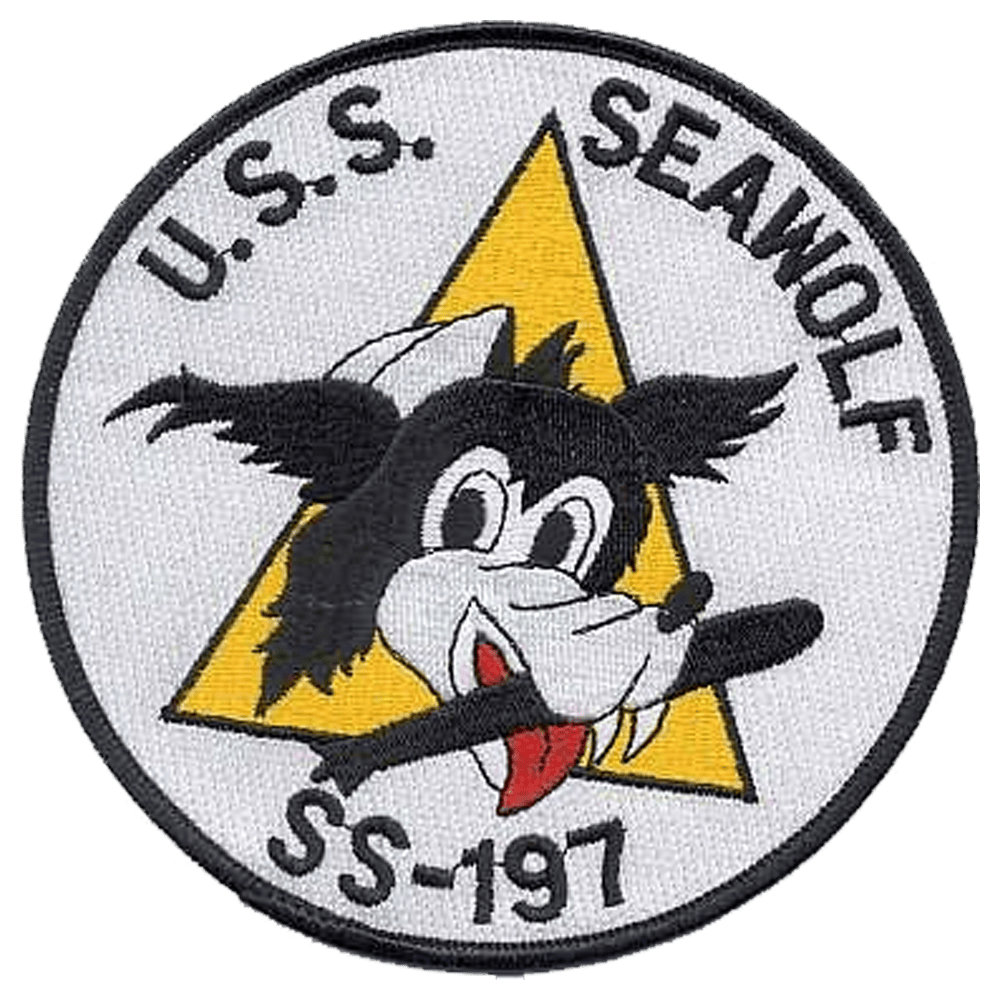
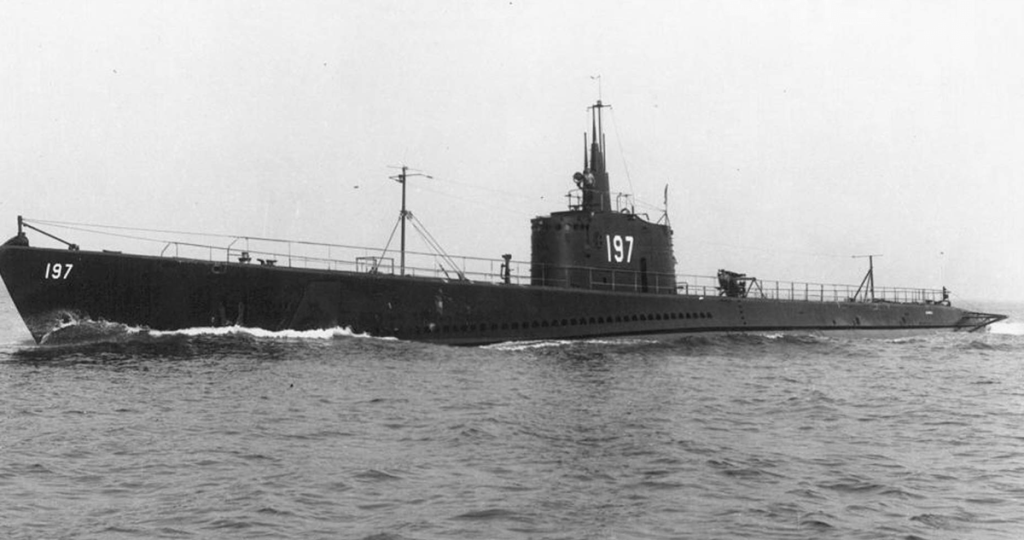
On October 26, 1944, readers of the Abilene Reporter-News encountered a headline that brought the submarine war home to West Texas: “Dunn Youth Lost With Submarine.” Beneath it appeared the photograph of nineteen-year-old Wayne Cotton, whose parents lived two and a half miles northeast of Dunn. His submarine, USS Seawolf (SS-197), was missing and presumed lost.
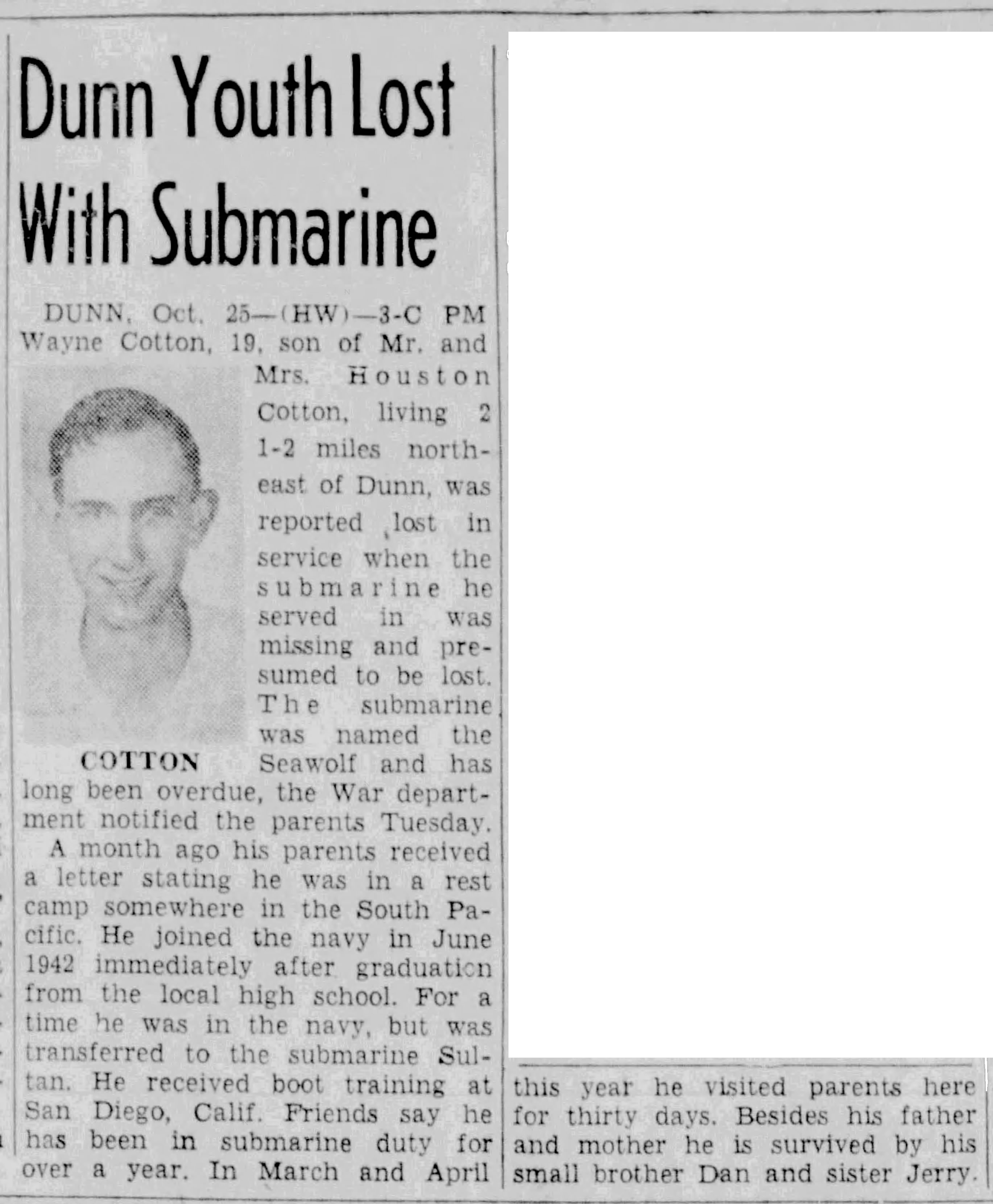
Wayne Houston Cotton enlisted in June 1942, immediately after graduation. He received his recruit training at San Diego and eventually entered submarine service. According to the newspaper, his parents had received a letter about a month before the announcement saying he was at a rest camp somewhere in the South Pacific. His younger brother Dan and sister Jerry were among those left awaiting his return.
Such notices had become a familiar part of American newspapers. Communities followed the war through casualty announcements identifying men they had known as students, neighbors, employees, and sons. Their appearance was commonplace; the losses themselves remained profoundly personal. For Houston Cotton and his wife, the news concerned the boy who had graduated from the local high school, joined the Navy, and returned home earlier that year for a thirty-day visit.
Cotton served as a ship’s cook third class. A submarine depended upon the work of every man aboard, including those whose responsibilities seldom appeared in accounts of torpedo attacks and successful patrols. Preparing meals in a confined galley helped sustain men working exhausting watches under dangerous conditions. Cotton’s service belonged to that daily fabric of competence and mutual dependence that made a submarine crew function.
His boat had been fighting since the beginning of the Pacific war. Seawolf carried ammunition to Corregidor in the desperate opening months of 1942, attacked Japanese shipping, rescued downed aviators, and delivered supplies supporting resistance in the Philippines. Her record encompassed both offensive patrols and missions requiring her to carry people and cargo into dangerous waters.
On September 21, 1944, Lieutenant Commander Albert M. Bontier took Seawolf out of Brisbane on her fifteenth war patrol. She reached Manus on September 29 and departed that same day, tasked with carrying stores and Army personnel to the east coast of Samar. The mission supported the struggle to liberate the Philippines from Japanese occupation.
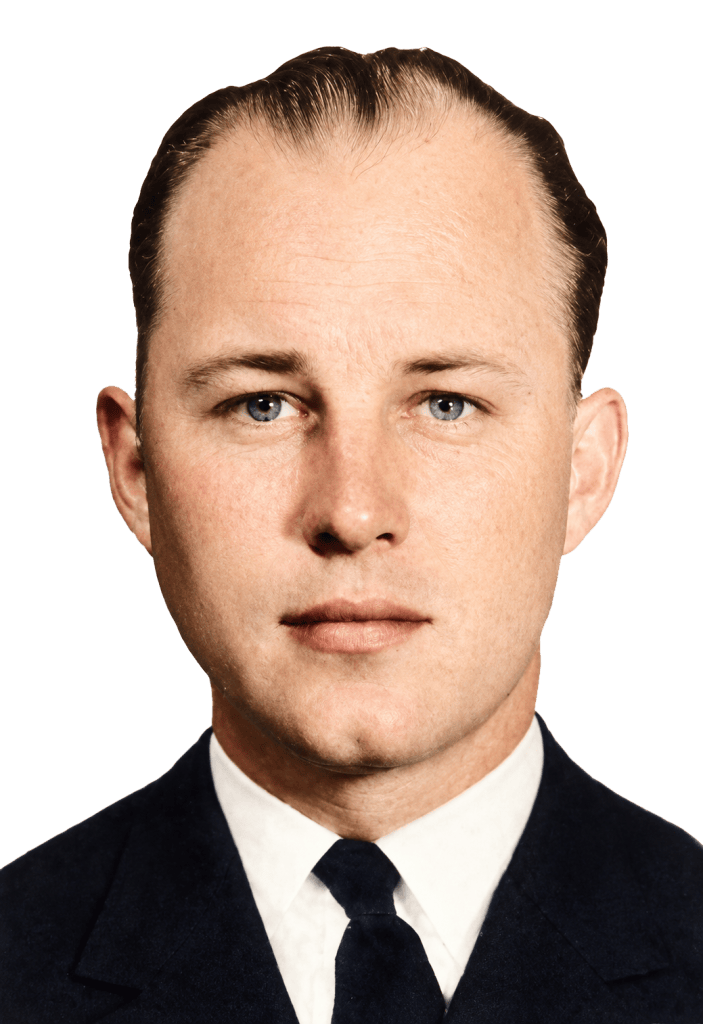
(NAVSOURCE)
On the morning of October 3, Seawolf exchanged radar recognition signals with USS Narwhal. It was the last confirmed contact with her.
Later that day, the Japanese submarine RO-41 torpedoed the American destroyer escort USS Shelton near Morotai. During the subsequent antisubmarine operations, USS Richard M. Rowell attacked a submerged contact. The submarine transmitted signals that the escort did not recognize as the prescribed identification signals. After Hedgehog attacks, debris and a large air bubble appeared.
Seawolf failed to answer requests for her position.
The evidence points to a terrible conclusion: she was probably destroyed by American forces. The Navy’s historical accounts differ in their degree of certainty. The submarine-loss account preserves other possibilities, while Richard M. Rowell’s history identifies the sinking as a mistake. The Japanese submarine that sank Shelton escaped and returned to Japan. No known Japanese attack satisfactorily explains Seawolf’s disappearance.
Eighty-three members of her crew and seventeen Army passengers were lost. Among them was Wayne Cotton, nineteen years old, whose photograph would soon appear in a Texas newspaper.
The circumstances deepen the sorrow. These men were serving in a war against powers whose aggression and tyranny had consumed nations and millions of lives. Their mission mattered. Yet the purpose for which they served could not protect them from the confusion, failures of communication, and irreversible mistakes of war. Honoring them requires us to preserve that difficult history as faithfully as we preserve their names.
For United States Submarine Veterans, remembrance is a stated obligation:
“To perpetuate the memory of our shipmates who gave their lives in the pursuit of duties while serving their country. That their dedication, deeds, and supreme sacrifice be a constant source of motivation toward greater accomplishments.”
That commitment gives us work to do. A name on a memorial must remain connected to a life. Wayne Cotton had parents, a brother, a sister, a hometown, and a place aboard his boat. Preserving the newspaper notice and his photograph helps later generations understand what the loss of a submarine meant far beyond the water in which she disappeared.
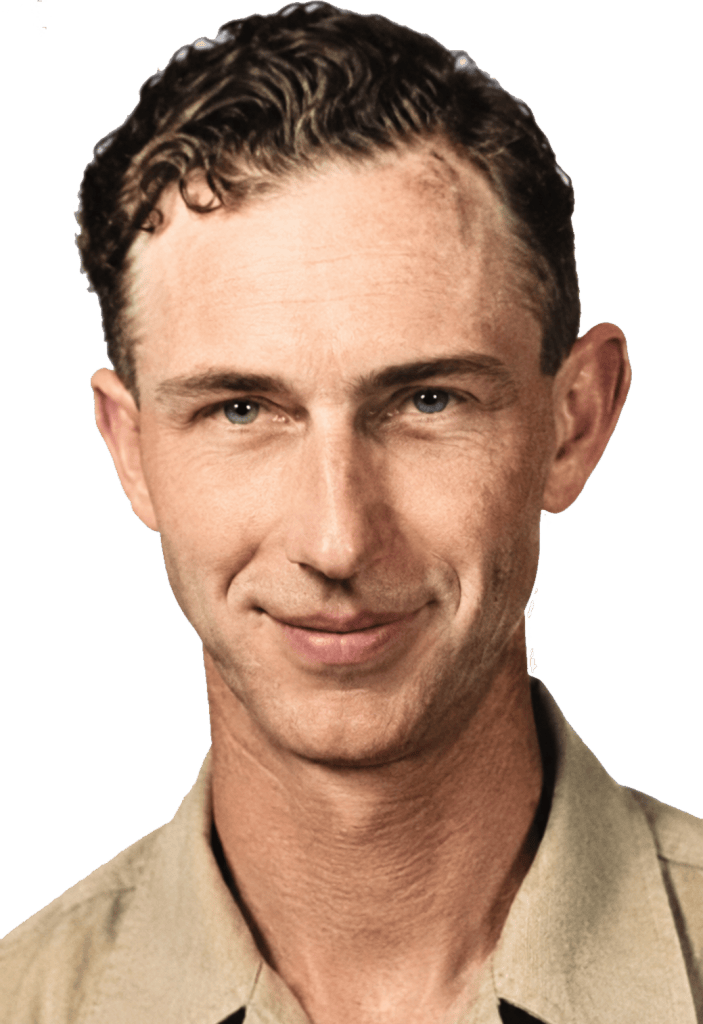
(On Eternal Patrol)
The second sentence of our creed asks something further. Their sacrifice must motivate us toward greater accomplishments. We fulfill that responsibility through service to living shipmates and their families, care for our historical record, and the patient work of teaching people who may know little about submarines or the men who served aboard them. Each generation must choose to carry that responsibility forward.
On October 26, 1944, a newspaper told its readers that Wayne Cotton would probably never come home. Today, we can still speak his name, tell his story, and explain why his service mattered. That is how remembrance survives the passing of those who knew him.
Wayne Houston Cotton and his shipmates remain on Eternal Patrol. We carry on their tradition through the lives we lead and the service we give. We will not forget.
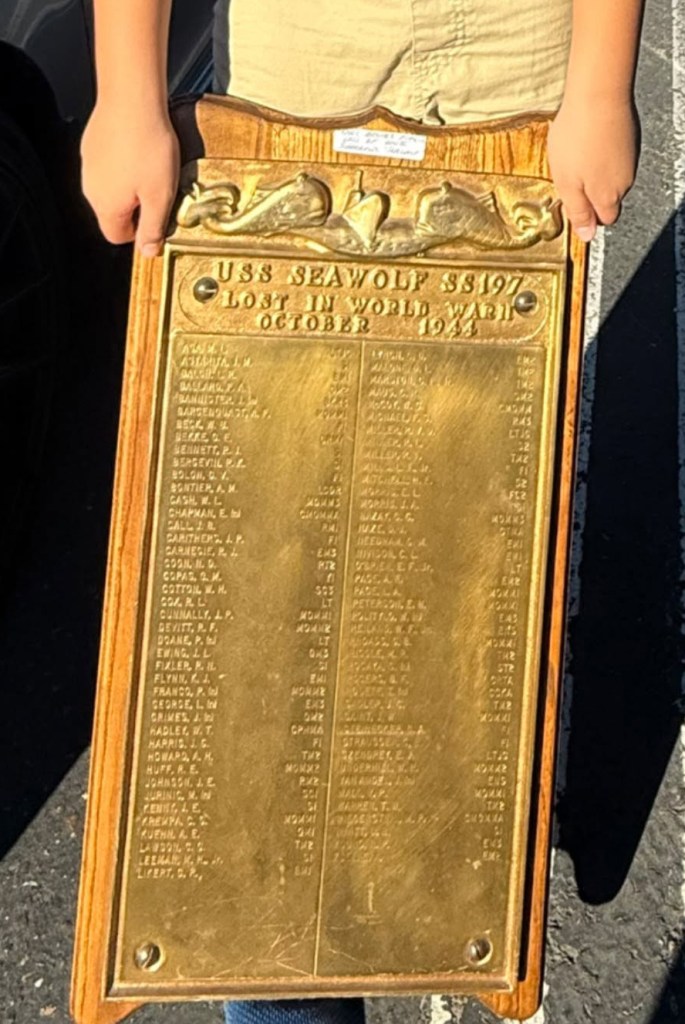
I spoke to the seller, a very nice guy who is a Vietnam veteran, and explained that the plaque is being purchased on behalf of the local chapter of the USSVI. He reduced the price and also verified that my research was accurate…this plaque hung on the wall of the Pearl Harbor Submarine Base Memorial from its dedication in 1960 until the plaques were replaced around 1985. He said that he had it on the walls in his house for many years, but decided it was time to find it a new home.
I’m very happy that we are all getting to participate in the process of finding this plaque a new home in a place of honor.
(FACEBOOK, USSVI Gold Country Base, October 24, 2026- courtesy Gabriel Hernandez)


Leave a Reply