Repeated attacks in the South China Sea and the disputed identity of a tragic loss
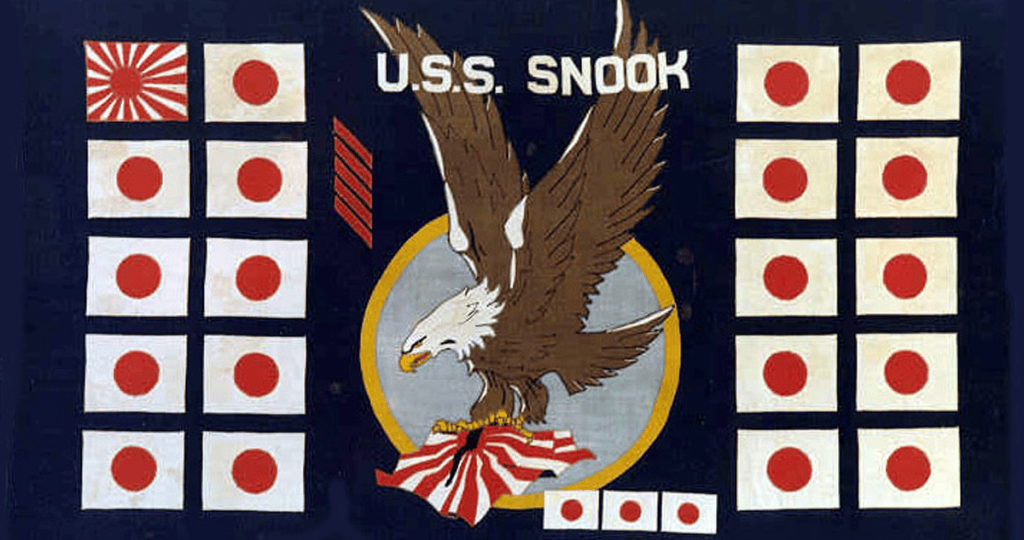
At about two in the morning on October 24, 1944, USS Snook (SS-279) attacked two ships in quick succession. Three torpedoes went toward a large freighter, followed by three more at a vessel close behind it. The account of the engagement records a hit on each target, with a violent explosion tearing away the second ship’s stern. Before the night’s fighting ended, Snook would attack again and endure an escort counterattack. What her crew had accomplished would prove easier to describe than precisely which ships they had struck.¹
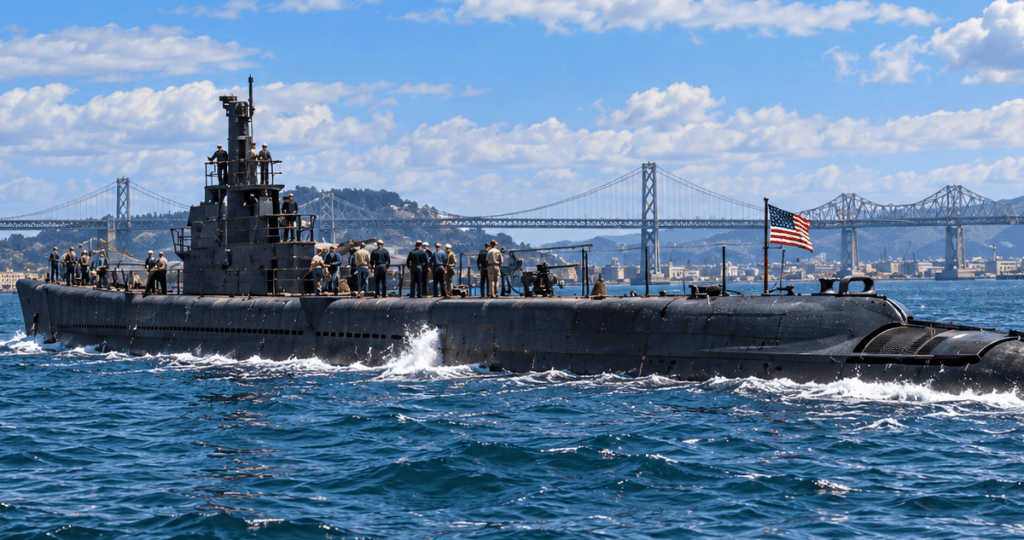
The action unfolded in the South China Sea, west of Luzon Strait, the passage between northern Luzon in the Philippines and Formosa, now Taiwan. Shipping moving between the Philippines and ports farther north crossed waters increasingly dangerous to Japanese convoys. Snook’s seventh war patrol took her into that traffic, where merchant ships and their escorts faced American submarines working in coordinated groups. These attacks coincided with the fighting around Leyte, although the convoy battle was a separate engagement.²
Snook had reached the hunting grounds after a frustrating interruption. Excessive shaft vibration required repairs at Saipan, where she remained from September 25 until October 4. Mechanical trouble had delayed the patrol, but by October 23 she was in contact with an enemy convoy and pressing an attack. An opening spread of four torpedoes against the largest ship produced two reported hits.¹ ³
The important feature of the ensuing fight was persistence. An escort could force a submarine away from its immediate firing position without necessarily ending the pursuit. Once clear, the submarine could attempt to regain contact and work toward another attack. Snook’s published naval history describes successive attacks interrupted by evasive maneuvers, a pattern that demanded repeated decisions about when an opportunity justified renewed exposure to the escorts.³
The two-target attack at approximately 0200 illustrates the opportunity presented by closely spaced merchantmen. Snook directed separate spreads at ships traveling one behind the other. The reported destruction of the second vessel’s after section offered striking evidence of damage. It did not, by itself, establish a name, tonnage, or final disposition. A submarine’s view of a convoy under attack could be brief, and a spectacular explosion still required later comparison with enemy records.¹
About two hours later, Snook was in position for another attack. Four bow torpedoes were fired at a large cargo vessel, and two hits were reported. Japanese escorts then forced her deep with depth charges and ended her immediate pursuit. Snook survived without reported damage. Accounts differ on the size of this final spread: the published Navy history describes five bow torpedoes rather than four. The exact count remains a point for verification, rather than a reason to overlook the repeated attacks and the escorts’ determined response.¹ ³
Later histories attached ship names to these encounters. The Navy’s Dictionary of American Naval Fighting Ships credits Snook with Shinsei Maru No. 1, Kikusui Maru, and Arisan Maru during the October 23–24 fighting. Its account associates Kikusui Maru with the destruction of a ship’s stern. The Navy’s official wartime chronology places the damage to Kikusui Maru on October 23 and her sinking on October 24. These distinctions matter when a night action crosses midnight and several submarines are attacking the same shipping.² ³
Arisan Maru introduces a much more serious question. She carried more than 1,700 Allied prisoners of war, overwhelmingly Americans, and her destruction on October 24 became one of the Pacific war’s terrible prisoner transport disasters. Although older Navy accounts assign the sinking to Snook, a later Naval History and Heritage Command treatment identifies USS Shark (SS-314) as the probable attacker. That account places the torpedoing late in the afternoon, around 1700, well after the predawn attacks described for Snook.⁴
The distinction cannot responsibly be brushed aside. It would be misleading to place Arisan Maru confidently among the ships Snook struck at 0200 or 0400, or to write as though her prisoners were known to the attacking crew. The later Navy synopsis states that the submarine did not know they were aboard. Most survived the initial disaster only to be left in the sea; nine survived the ordeal. Shark herself was lost with all hands during the October 24 fighting.² ⁴
For Snook, the immediate result was survival and a continuation of the patrol. Her crew had repeatedly engaged defended shipping, reported multiple torpedo hits, and escaped the escorts. The later argument over individual sinking credits does not erase that combat record. It does require care in telling it, especially where a disputed identification connects a successful attack with the deaths of American prisoners.
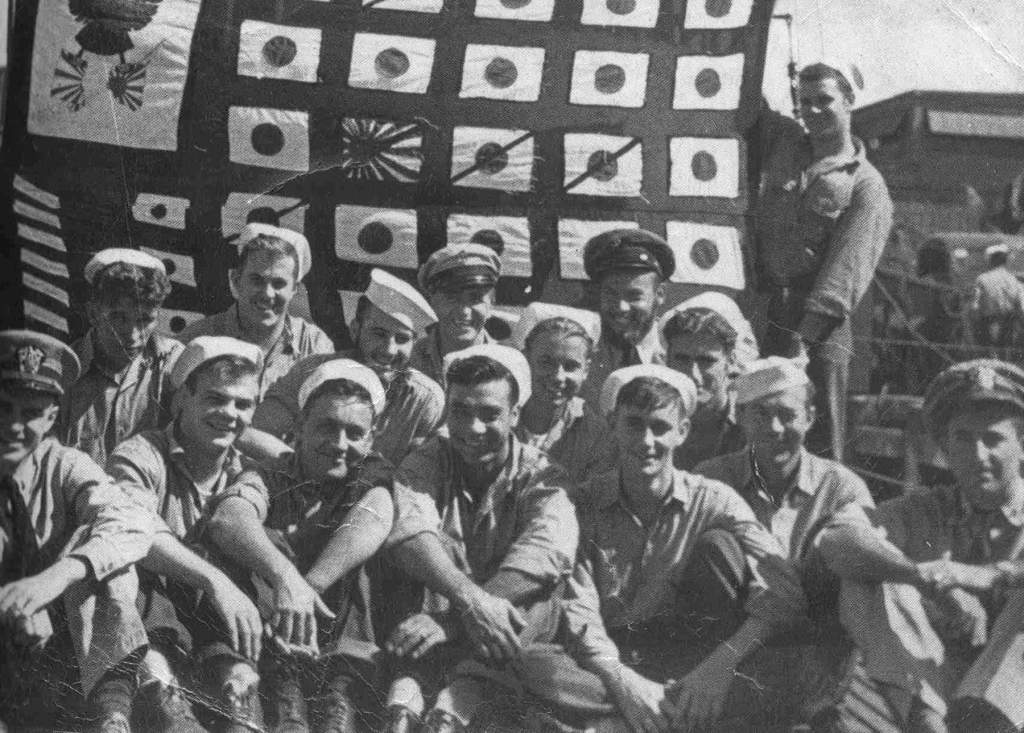
October 24 therefore belongs in Snook’s history as a day of aggressive convoy attacks and successful evasion, with the final accounting left qualified. The men aboard could report their torpedo firings, the explosions they observed, and the counterattack they survived. Reconstructing the identities and fates of their targets required evidence beyond their own boat. Remembering the action accurately means preserving both their achievement and the limits of what can be established.
Sources and Historical Notes
1. “Action of October 23–24, 1944: USS Snook (SS-279) Log vs. Historical Record.” Undated research outline supplied as Snook _ October 24, 1944.pdf, pp. 1–2. The outline’s numbered source marker does not resolve to a bibliographic entry.
2. Cressman, Robert J. The Official Chronology of the U.S. Navy in World War II. Annapolis, MD: Naval Institute Press, 1999. Entries for October 23–24, 1944. Online transcription, HyperWar. https://www.ibiblio.org/hyperwar/USN/USN-Chron/USN-Chron-1944.html.
3. Naval History and Heritage Command. “Snook I (SS-279).” Dictionary of American Naval Fighting Ships. https://www.history.navy.mil/research/histories/ship-histories/danfs/s/snook-i.html.
4. Cox, Samuel J. “H-038-1: The Battle of Leyte Gulf—A Synopsis” and “H-038-2: The Battle of Leyte Gulf in Detail.” H-Gram 038, November 2019. Naval History and Heritage Command. Sections on Arisan Maru. https://www.history.navy.mil/about-us/leadership/director/directors-corner/h-grams/h-gram-038/h-038-1.html and https://www.history.navy.mil/about-us/leadership/director/directors-corner/h-grams/h-gram-038/h-038-2.html.


Leave a Reply