 The South China Sea in December 1944 was a hunting ground, and the USS Flasher (SS-249) was one of its fiercest predators. As the tides of war turned decisively against Japan, Allied submarines prowled beneath the waves, targeting the convoys that were vital to Japan’s survival. On December 4, 1944, under the command of Lieutenant Commander George W. Grider, the Flasher launched a daring attack that would further cement her place in history. In a single engagement, she sank the Yūgumo-class destroyer Kishinami and crippled the tanker Hakko Maru, strikes that contributed to her distinction as the most successful U.S. submarine in tonnage sunk during World War II.
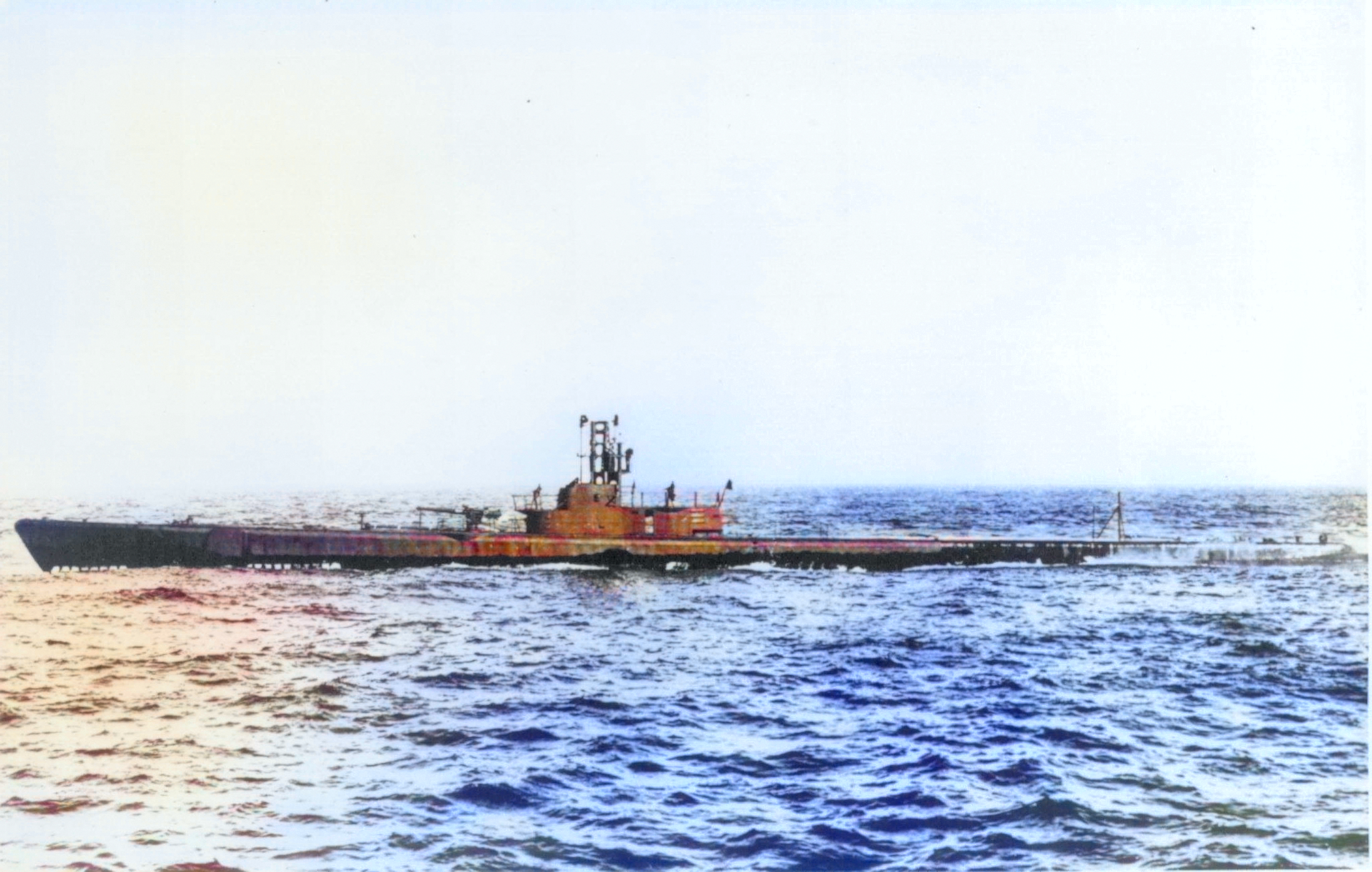
The USS Flasher, a Gato-class submarine, was one of the Navy’s most lethal tools in this campaign. Commissioned in 1943, she had already built a reputation for her aggressive patrols and remarkable success in disrupting Japanese shipping. Her fifth war patrol, which began in November 1944, was part of the Allied effort to strangle Japan’s supply lines in the South China Sea, a region teeming with targets and hazards alike.
On December 3, Flasher detected a convoy roughly 275 nautical miles southwest of Manila. The convoy included Kishinami, a Yūgumo-class destroyer tasked with protecting the convoy from submarine threats, and Hakko Maru, a 10,022-ton tanker carrying vital fuel supplies. Several smaller vessels were also part of the group, making it a high-value target for the Allies.
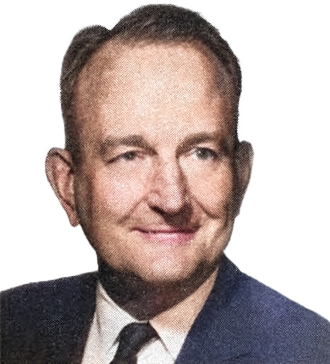
Lieutenant Commander Grider knew this convoy presented a rare opportunity. Destroyers like Kishinami were fast, heavily armed, and formidable adversaries, but their loss would leave the convoy defenseless. The tanker, meanwhile, represented the lifeblood of Japan’s war machine, making its destruction a strategic priority.
As night fell on December 3, Flasher began her pursuit. The submarine crept silently through the calm waters, maneuvering into a position to strike as the convoy zigzagged to avoid detection. Inside the submarine, tension was high. The crew worked in practiced silence, monitoring sonar pings and readying the Mark 14 torpedoes.
Shortly after midnight on December 4, Grider ordered the first spread of torpedoes fired at Kishinami. Moments later, the crew heard the resounding explosions that signaled a direct hit. The torpedoes tore into Kishinami’s hull, causing catastrophic damage. The destroyer listed sharply to port, her decks ablaze. Within 20 minutes, she slipped beneath the waves, taking most of her crew with her.
The convoy erupted into chaos. With Kishinami gone, the remaining ships scattered, their escorts scrambling to respond. Grider seized the opportunity, shifting his focus to Hakko Maru. Another salvo of torpedoes streaked through the water, striking the tanker midship. The resulting explosion lit up the night, sending flames and smoke billowing into the sky. Severely damaged and immobile, Hakko Maru was later scuttled by her crew to prevent her capture.
The attack on the convoy triggered a furious counterattack by the surviving escorts. Depth charges rained down as the convoy’s ships sought to destroy their unseen assailant. Inside Flasher, the crew endured a harrowing hour of evasion. Each explosion rocked the submarine, rattling nerves and testing the crew’s resolve. Grider, calm and methodical, guided the submarine deeper into the ocean, using every ounce of skill and training to outmaneuver their pursuers. Eventually, the sea grew quiet, and Flasher slipped away undetected.
When the danger had passed, the crew surfaced to assess the results of their attack. The wreckage of Kishinami had vanished, and Hakko Maru was adrift and burning. The convoy had been dealt a crippling blow, its defenses shattered, and its cargo lost. For Grider and his crew, the mission was a resounding success. They had eliminated a dangerous enemy warship, crippled a vital tanker, and escaped unscathed.
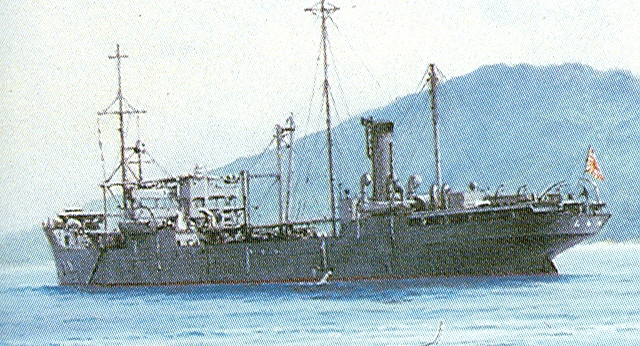
http://www.combinedfleet.com/Hakko_t.htm
The attack on December 4 was just one of many successes for the Flasher during her fifth war patrol. By the end of the patrol, she had sunk over 30,000 tons of enemy shipping, contributing to her distinction as the only U.S. submarine to surpass 100,000 tons of shipping sunk during the war.
For the crew of Flasher, the engagement underscored the razor-thin line between triumph and survival. Every attack carried the risk of retaliation, and every patrol demanded extraordinary courage and discipline. Grider and his men exemplified the quiet heroism that defined submarine warfare—an unyielding determination to achieve victory, no matter the odds.
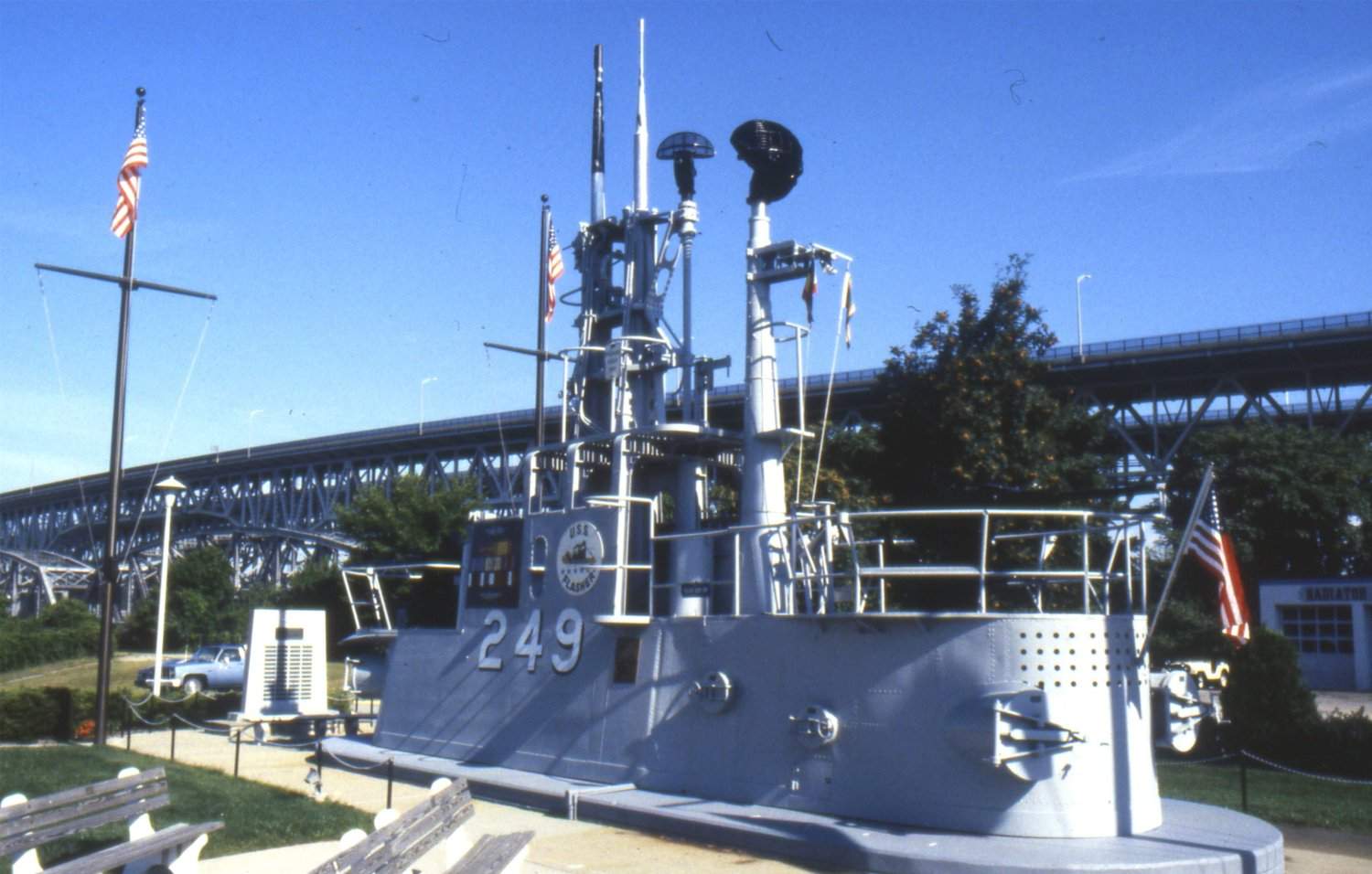
 Patrol Reports
Leave a comment