Introduction: The Bridge to Modernity
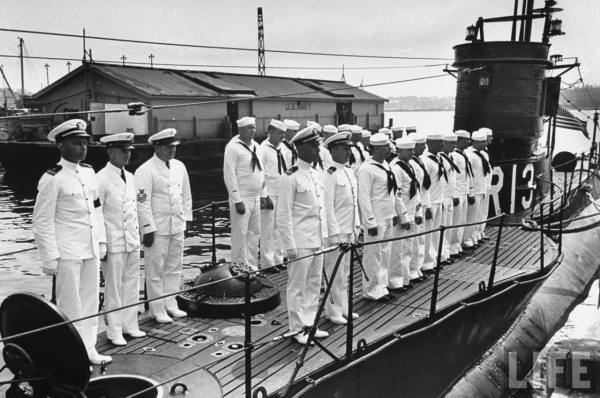
In the annals of naval history, the most celebrated vessels are often those with the longest lists of enemy ships sunk. However, the true strength of a naval force frequently rests upon the less decorated workhorses that provide the essential foundation for victory. The USS R-13 (SS-90) was exactly such a vessel. An R-1-class coastal defense submarine, she served as the critical “bridge” between the experimental, often unreliable underwater designs of the earlier O-class and the sophisticated fleet boats that dominated the Pacific in World War II.
Over a career spanning 26 years, the R-13 functioned not as a primary combatant, but as a vital laboratory for tactical development and a premier classroom for the men who would eventually lead the “Silent Service.” Her service can be defined by three primary phases:
- Pacific Tactical Testing: A decade-long deployment in the Hawaiian Territory developing submarine doctrine and fleet integration.
- Atlantic Training: A tenure at the Submarine School in New London, Connecticut, forging the skills of future wartime commanders.
- World War II Coastal Defense: Active wartime service protecting vital shipping lanes and perfecting American Anti-Submarine Warfare (ASW) tactics.
Continue reading “The Silent Foundation: The Legacy of USS R-13 (SS-90)” →




 Patrol Reports