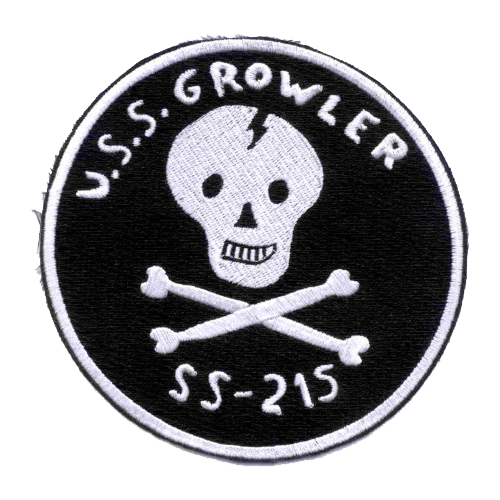
Growlers Legendary Down-the-Throat Torpedo Attack of September 12, 1944

The night sea was calm, almost deceptively so. A thin scatter of clouds drifted across the stars, and the horizon was a dark, featureless smear. Below the surface lay silence, but on the bridge of Growler, men kept their eyes sweeping and their nerves sharp. This was wolf pack country now, waters between Luzon and Formosa, where Japanese convoys crept through the straits and where three American submarines waited to pounce.

In the conning tower, red lamps threw their dull glow over the dials and the men hunched around them. Commander Thomas B. “Ben” Oakley Jr. stood steady, his voice measured, his presence calm. He had a knack for that, keeping himself even while every other heart on the boat ran a little faster.

Continue reading “Growlers Legendary Down-the-Throat Torpedo Attack of September 12, 1944”

USS Michigan (SSBN/SSGN-727): A Cold War Legacy and 21st Century Vanguard – A Shipmate’s Perspective

If you ever spot an Ohio-class submarine on the horizon, you are seeing something most people will never witness in their lives. They are not meant to be seen. They are built for silence, shadows, and deterrence. USS Michigan (SSBN-727), later redesignated SSGN-727, was one of these giants, a steel colossus born of Cold War necessity. She was my ship. My home for years under the waves.

Continue reading “USS Michigan (SSBN/SSGN-727): A Cold War Legacy and 21st Century Vanguard – A Shipmate’s Perspective”

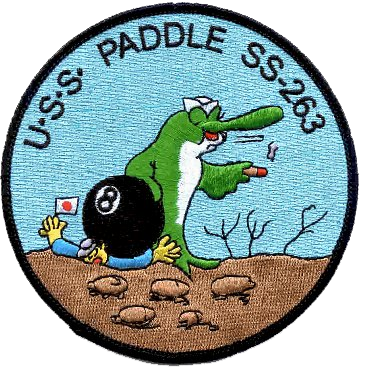
USS Paddle and the Tragedy of Shinyo Maru

The first days of September 1944 found the USS Paddle deep in enemy waters, sliding along the edge of the Sulu Sea and the Celebes, that broad, restless stretch of ocean where islands rise like jagged teeth out of the water. She was a Gato-class submarine, crewed by men who had already seen enough of the war to know its rhythms. They knew the false alarms, the sudden bursts of action, and the endless stretches of waiting. For them, the days blended into a pattern of diving before dawn, running silent through the daylight hours, then surfacing at night to breathe, to charge the batteries, and to prowl.

Continue reading “USS Paddle and the Tragedy of Shinyo Maru”

Blog at WordPress.com.

Up ↑