March has a way of sitting quietly on the calendar, wedged between winter’s last bitterness and the promise of spring. In U.S. Navy submarine history, it does not behave quietly at all. It carries a weight that is out of proportion to its thirty-one days, a month that reaches from the experimental infancy of the submarine force to the violent closing chapters of the Pacific war. When submariners speak of March, they do not do so poetically, but they do so knowingly. Too many boats did not come back. Too many men did not walk down the pier again.
It is tempting, and very human, to treat early submarine losses as primitive mistakes, the price of learning a new craft. That temptation deserves skepticism. The men who climbed into those steel cylinders before the First World War were not reckless hobbyists. They were professionals who understood that the margin for error was thin, sometimes invisible. The early boats were unforgiving, but the men were not naive. They trusted their equipment because there was nothing else to trust.
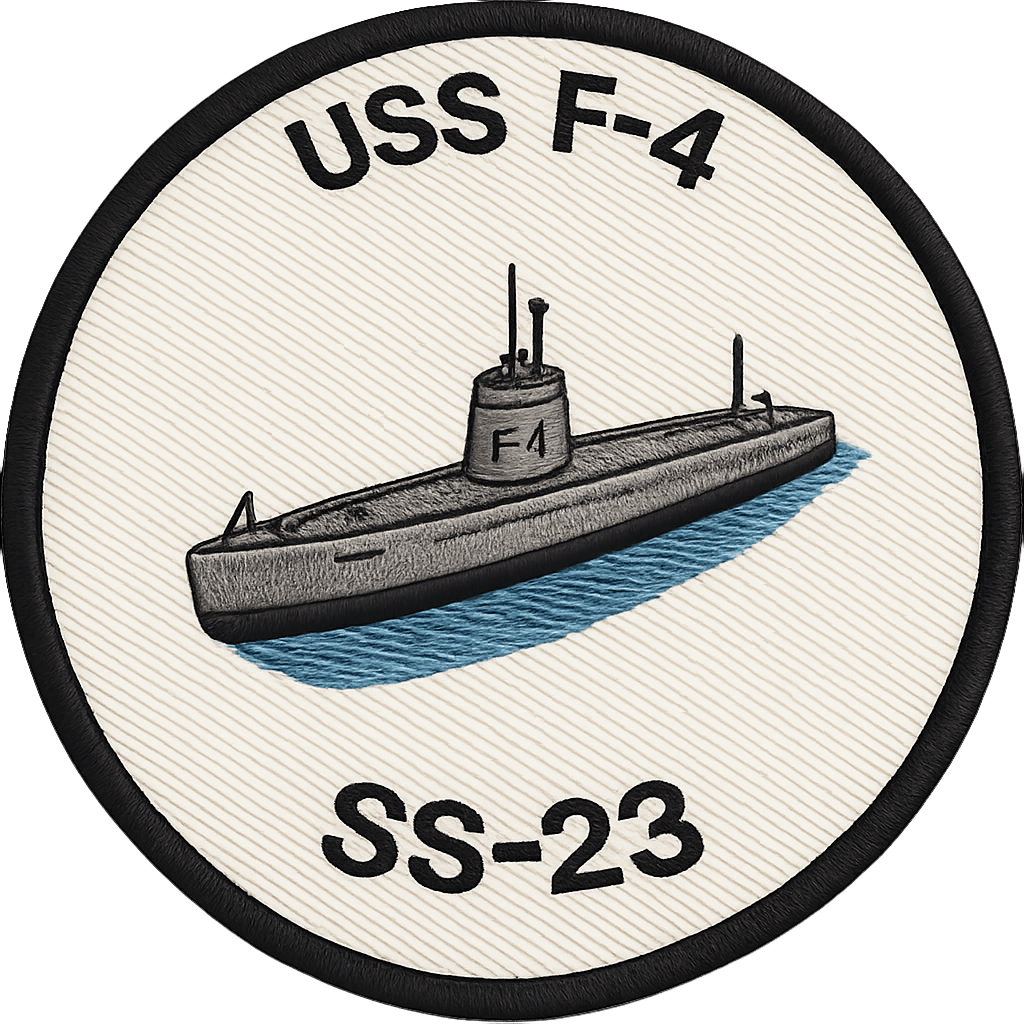
The loss of USS F-4 in March 1915 sits at the beginning of this story, and it does so with a grim kind of authority. She was the first commissioned U.S. submarine lost at sea, and she vanished not in battle, but during what should have been a routine submerged run off Honolulu. No enemy. No warning shots. Just a boat that failed to surface. For days, there was uncertainty, hope clung to by those on shore who understood how little oxygen a submarine carried. That hope was false.
What investigators later found was not dramatic in the cinematic sense. There was no explosion, no heroic final transmission. Corrosion in the lead lining of the battery tank had allowed seawater to intrude. When seawater meets battery acid, chlorine gas is produced. Chlorine does not forgive. It poisons the air and strips men of their ability to function. The flooding also robbed the boat of buoyancy. F-4 sank to the seafloor and imploded at depth. Twenty-one men died in silence.
The aftermath mattered. The Navy did not simply write the loss off as inevitable. A landmark salvage operation followed, using pontoons and techniques that pushed the boundaries of what engineers believed possible. When the submarine was raised, the evidence was studied carefully, not to assign blame but to prevent repetition. Seventeen unidentified sailors were buried together at Arlington National Cemetery. They rest there still, a reminder that even in peacetime, the submarine force has always been a wager with unforgiving odds.
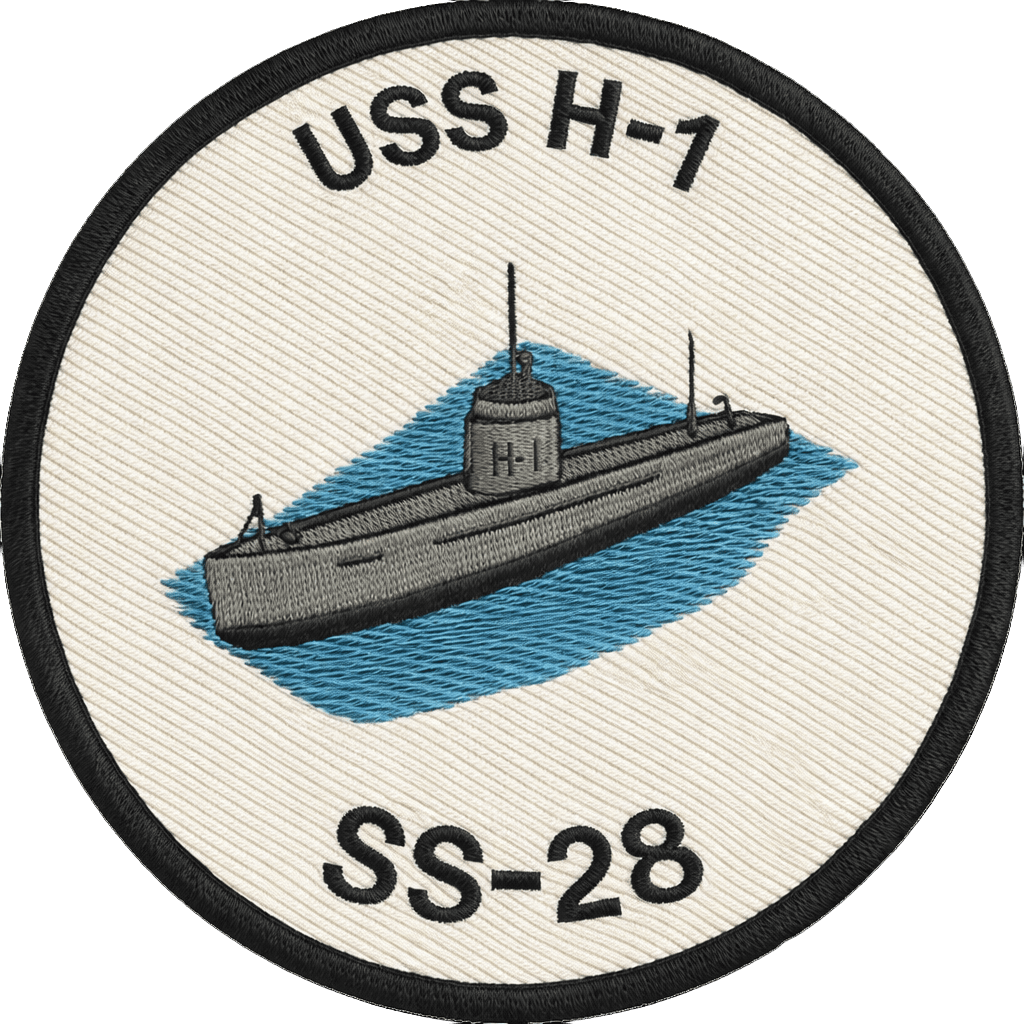
Five years later, March returned to claim another boat, this time in circumstances that felt both ancient and modern. USS H-1 was transiting the Baja Peninsula in 1920 when she grounded on a shoal off Santa Margarita Island during a storm. Navigation errors, heavy seas, poor visibility, none of these were new to sailors, but submarines added a cruel twist. They were heavy, awkward on the surface, and vulnerable when forced close to shore.
What followed was not a sudden catastrophe but a drawn-out human ordeal. Four men, including the commanding officer, Lieutenant Commander James Webb, attempted to swim to shore through heavy surf. They did not make it. Their deaths were not caused by machinery or enemy action, but by exhaustion and the ocean’s indifference. Days later, USS Vestal managed to pull H-1 free. For forty-five minutes, there was hope that the boat might survive. Then she sank in fifty feet of water, her hull too badly compromised to remain afloat.
These early losses tell a story that is easy to misunderstand. They were not the result of incompetence or casual risk taking. They were the cost of operating new technology in an environment that does not negotiate. The submarine service learned from these events, but it learned slowly and painfully. Design changes followed. Procedures tightened. Training improved. None of that brought the men back.
When the United States entered the Second World War, submarines were no longer experimental curiosities. They were weapons, and they were sent into waters that were hostile, crowded, and increasingly lethal. March 1942 brought the loss of USS Perch in the desperate defense of the Java Sea. By then, the Pacific situation was unraveling quickly. Japanese forces were landing troops across the Dutch East Indies, and American submarines were being asked to slow an advance that was already gaining momentum.
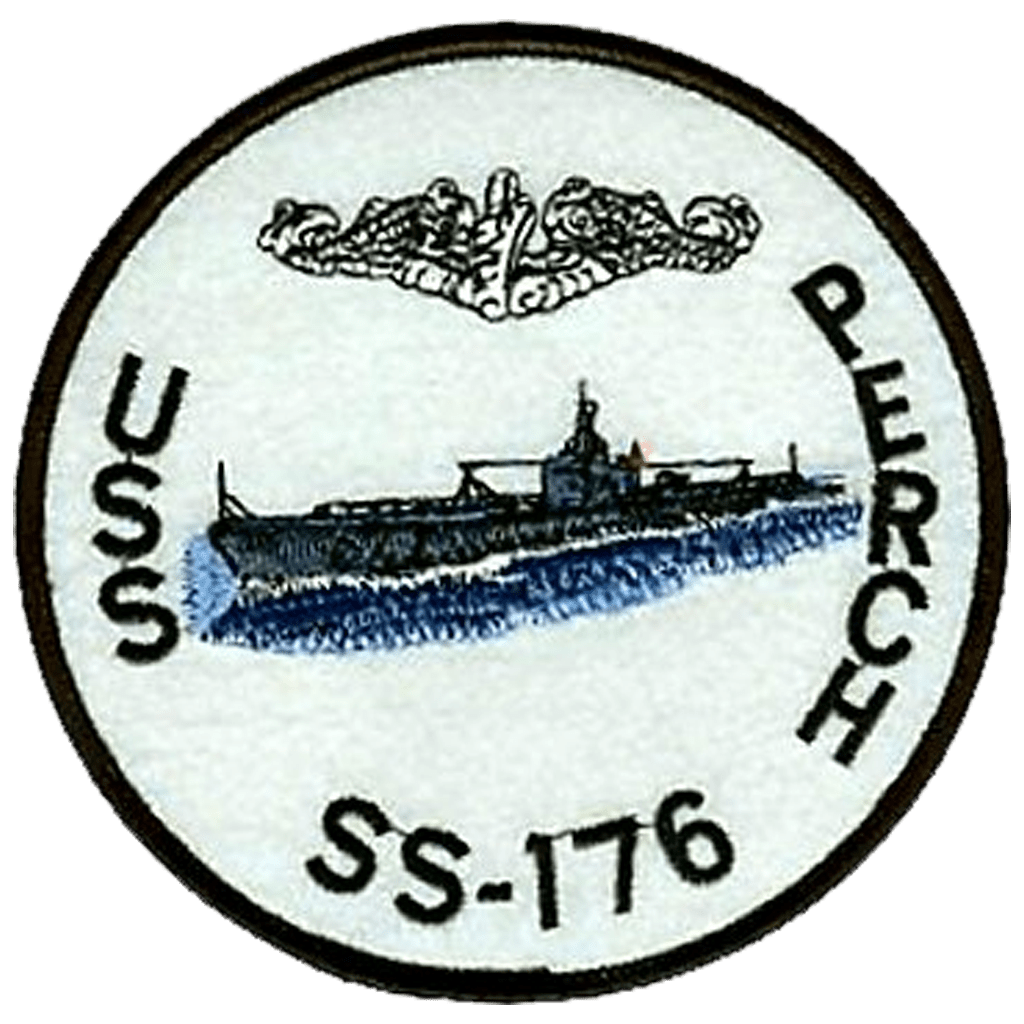
Perch went into action knowing the odds. On March 1, she was battered by depth charges from Japanese destroyers Amatsukaze and Hatsukaze. The next day, Ushio and Sazanami joined the hunt. The attacks were methodical and relentless. Perch was crippled, her propulsion gone, flooding spreading through compartments that were never designed to be wet at the same time. By the morning of March 3, Lieutenant Commander David Hurt could see enemy destroyers closing in. He could not dive. He could not maneuver. He could not fight.
He ordered the ship scuttled.
It is a decision that sounds simple on paper and feels anything but in practice. Scuttling means surrendering the boat to the sea and the crew to captivity. All fifty-nine men were taken prisoner by Ushio. Six would die in captivity from malnutrition. Fifty-three survived the war. Survival, in this case, did not mean safety. It meant years in camps where starvation and disease were routine companions.
The loss of Perch marked a transition. The submarine force had moved from mechanical risk to combat attrition. Boats were no longer lost quietly. They were hunted, cornered, and destroyed by determined enemies who had learned quickly how dangerous American submarines could be.
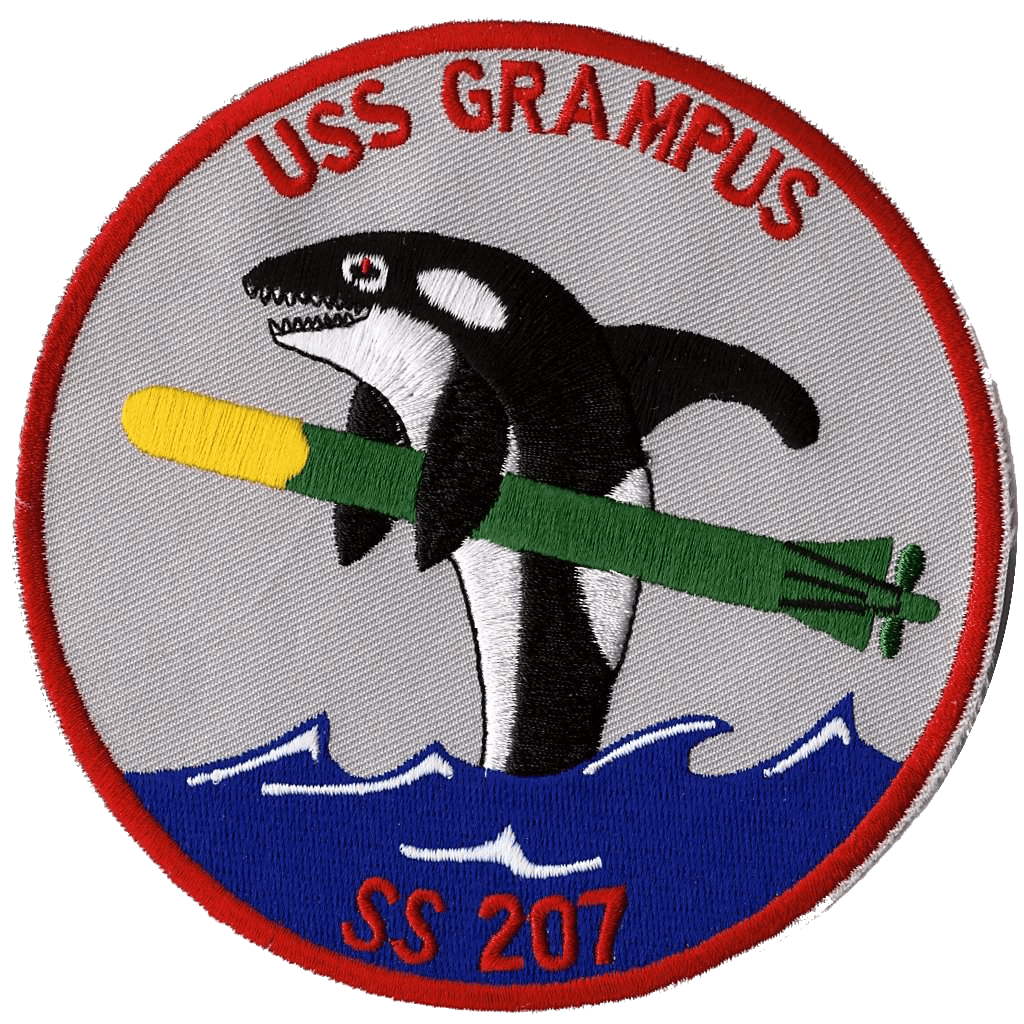
By the time March arrived again in 1943, the Pacific war had entered a phase of grinding violence in the Solomons. USS Grampus was ordered to patrol Blackett Strait, a narrow, treacherous stretch of water used by Japanese destroyers running high speed supply missions. It was a place where mistakes were punished immediately. On the night of March 5 to 6, Grampus likely encountered destroyers Minegumo and Murasame. What happened next was inferred, not witnessed. A large oil slick appeared the following morning. No survivors were ever found. Seventy-one men were lost.
There is something unsettling about oil slicks in naval history. They are evidence without testimony. They confirm loss without explaining it. They leave families with certainty but no details, which is sometimes worse.
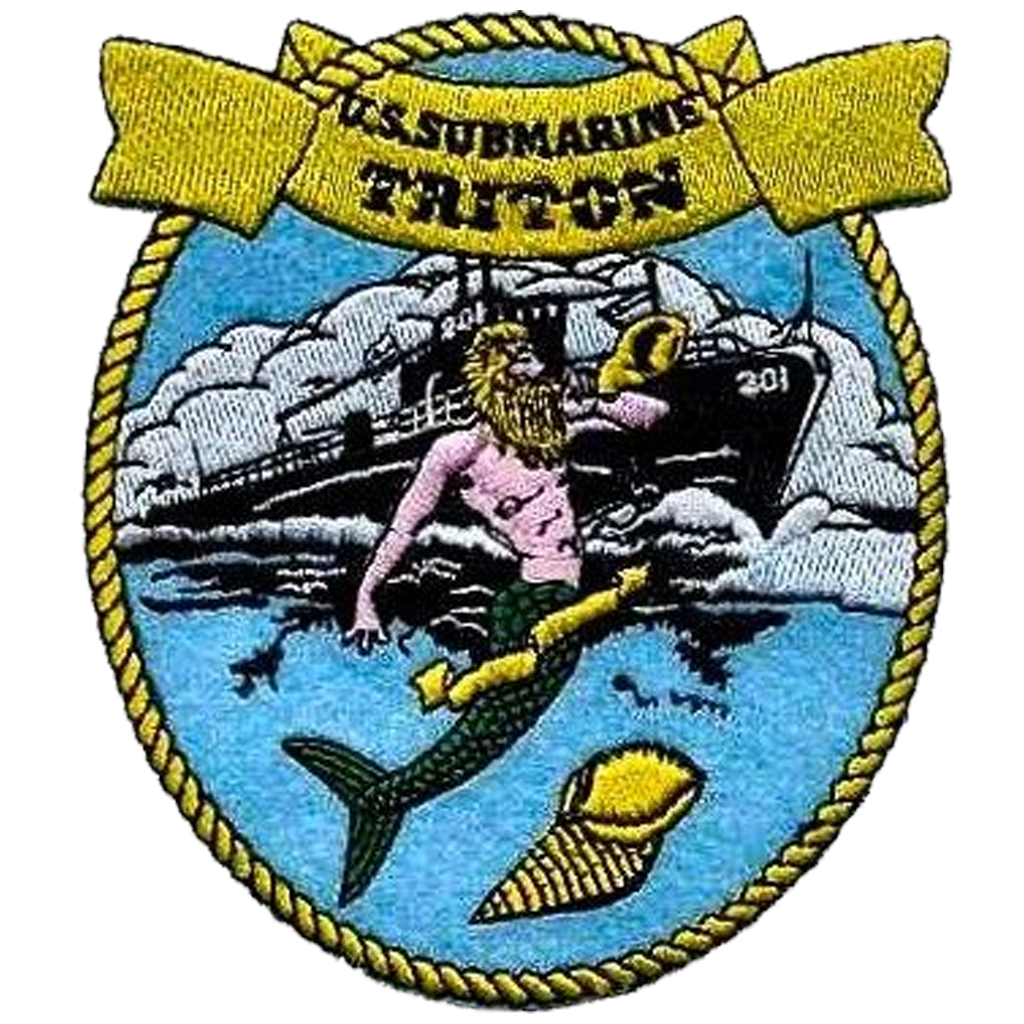
USS Triton followed just days later. She was not an inexperienced boat. Triton had sunk sixteen enemy ships and was respected by both her crew and her command. On March 15, she was operating north of the Admiralty Islands when Japanese forces detected an attack. What followed was a massive depth charge assault. Japanese reports noted oil, debris, and manufactured items bearing the mark “Made in U.S.A.” Seventy-four men were lost. Experience did not grant immunity.
By this point, March had established its character. It was not selective. It took early pioneers and seasoned veterans alike. It punished technical failure, navigational error, and battlefield misfortune with equal severity. The month was not cursed, but it was unforgiving, and the submarine service learned to approach it with a quiet respect that bordered on dread.
By the time March of 1944 arrived, the United States Navy had been fighting underwater for more than two years, and confidence sat uneasily beside experience. Submariners knew their craft better than ever before. They had learned how to stalk convoys, how to evade destroyers, and how to read subtle changes in sound and pressure. They also knew something else, something harder to admit. The weapons they relied upon were not always trustworthy. March would make that fact impossible to ignore.

USS Tullibee was not operating in desperation when she went out on patrol north of Palau. She was part of a mature, aggressive campaign meant to strangle Japanese shipping and support carrier strikes pushing closer to the home islands. The submarine force was winning by any reasonable measure. That made what happened on March 26, 1944 all the more bitter.
In heavy rain, Tullibee attacked a Japanese convoy. Two torpedoes were fired at a transport. One of them suffered a gyro failure. Instead of running straight, it turned back on its own firing platform. Circular runs were the quiet nightmare of every submariner, whispered about in wardrooms and treated with wary respect. This one did not miss.
The torpedo struck Tullibee herself.
The explosion was catastrophic. The submarine sank almost immediately. Of the seventy nine men aboard, only one survived. Gunner’s Mate C.W. Kuykendall was on the bridge at the moment of impact and was blown clear into the water. He was later rescued by a Japanese destroyer and spent the rest of the war as a prisoner. Survival, again, came at a price.
There is no enemy action more demoralizing than a weapon turning against its own crew. Tullibee’s loss was not a failure of courage or training. It was a failure of engineering and oversight. The torpedo scandal, as it later came to be known, exposed flaws in American torpedoes that had cost lives across the Pacific. March simply delivered the lesson with brutal clarity.
As the calendar turned toward March of 1945, the submarine war reached its final, most dangerous phase. The United States was closing on Japan itself. Patrol areas tightened. Enemy defenses grew denser and more desperate. Mines, aircraft, surface escorts, and even Japanese submarines crowded the approaches to the home islands. The margin for survival narrowed further.
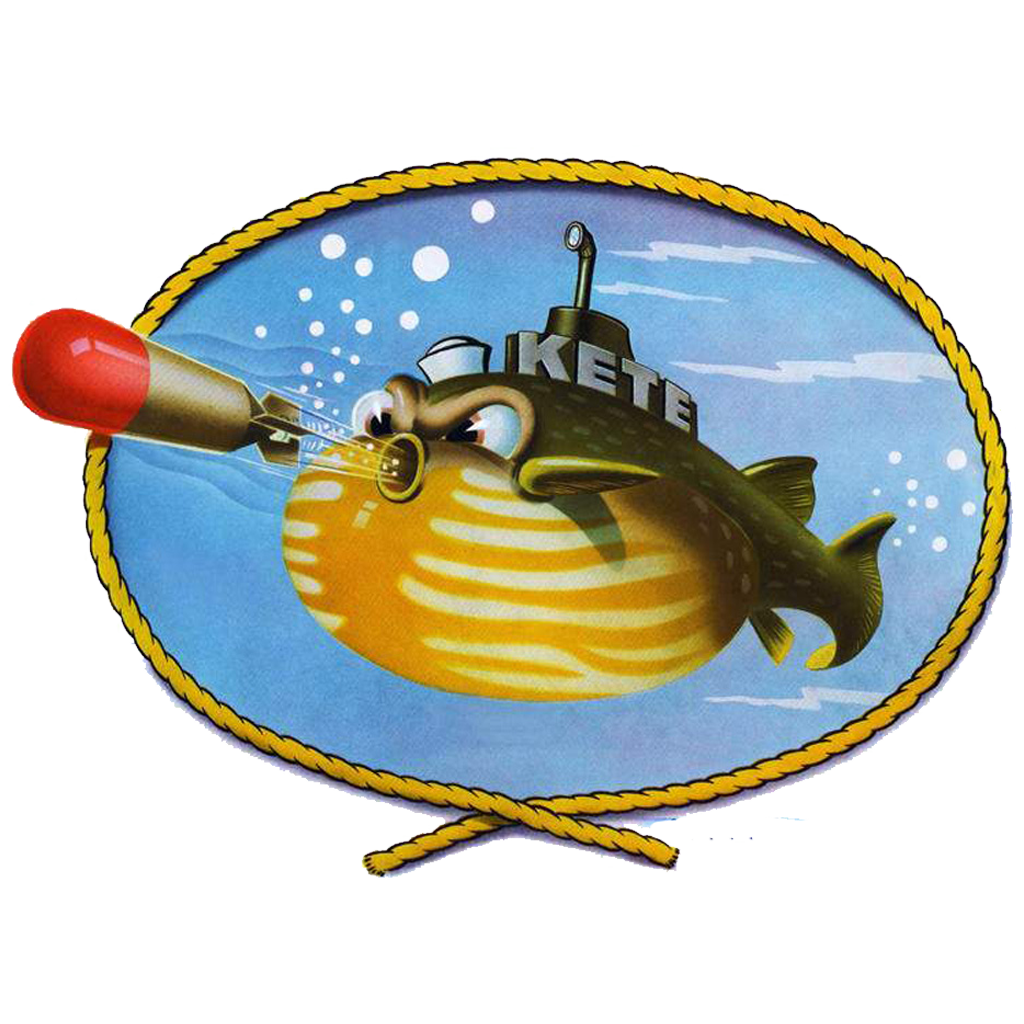
USS Kete disappeared first. She sent her last weather report on March 20, 1945 while returning from patrol near the Nansei Shoto after sinking three freighters. After that, there was silence. The likely causes were many and none could be proven with certainty. A Japanese submarine, possibly RO-41, may have found her. A mine may have done the job just as efficiently. What mattered was the result. Eighty-seven men were lost, and their families received nothing but absence and speculation.
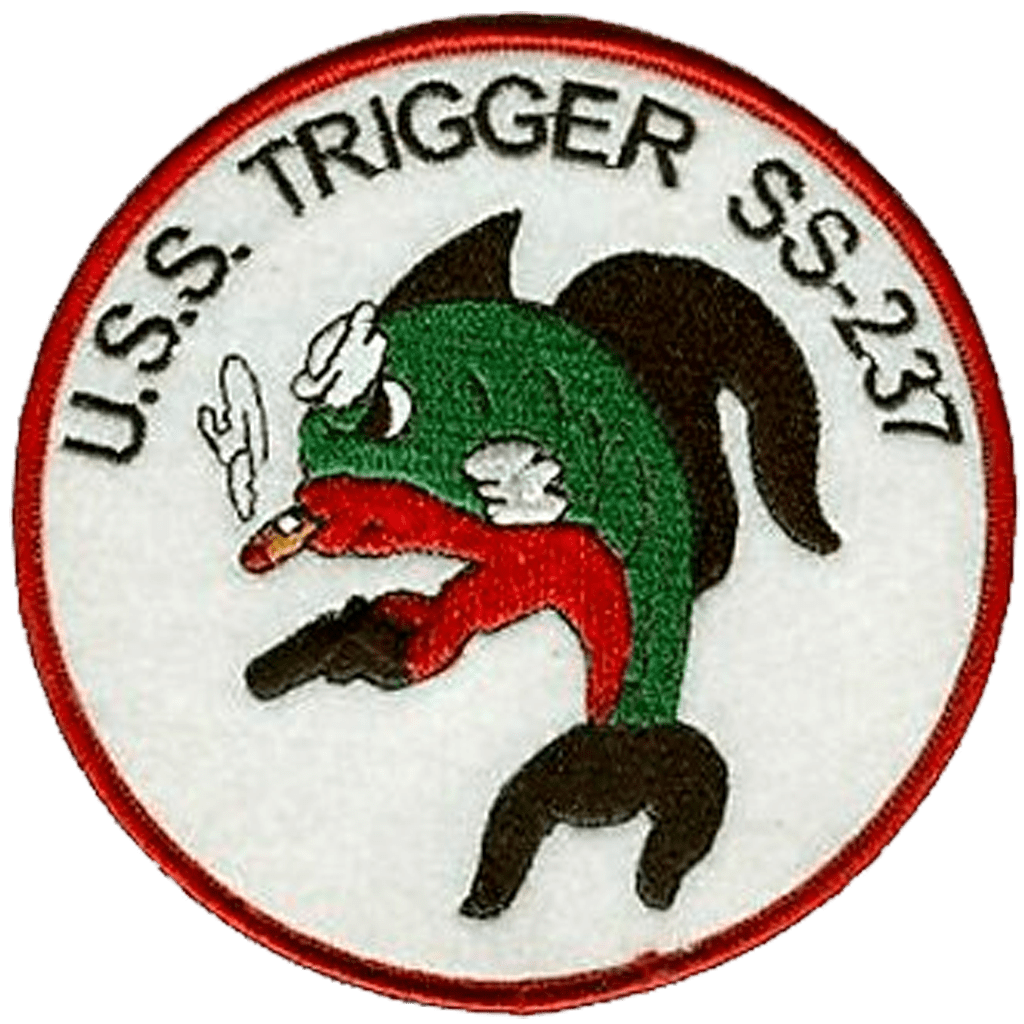
Eight days later, March claimed one of the most accomplished boats in the fleet. USS Trigger was no newcomer to danger. She carried eleven battle stars and three Presidential Unit Citations, a veteran in every sense. Experience, however, did not soften the Pacific in 1945. While patrolling the Nansei Shoto, Trigger was detected by Japanese aircraft and surface ships, including the escort Mikura.
What followed was a two-hour depth charge attack so intense that nearby American submarines, Threadfin and Silversides, heard it clearly. They listened as explosions rolled through the water, knowing exactly what that sound meant and powerless to intervene. The next day, a massive oil slick marked the spot. Eighty-nine men were gone.
There is something particularly cruel about being within acoustic range of a dying ship. The sea carries sound faithfully. It does not carry mercy. Those who heard Trigger’s final hours carried that knowledge with them for the rest of their lives.
By the end of March 1945, the pattern was undeniable. Losses came from every direction. Enemy action, mines, submarines, aircraft, mechanical failure, and defective weapons all played their part. The submarine force had matured, but the ocean and the enemy had matured with it. Victory was approaching, but it was not gentle, and it did not pause to spare those who had already given more than most.
The men lost in March were not symbols in a tidy historical lesson. They were specialists, technicians, officers, and enlisted sailors who trusted systems that sometimes failed them.
When March is viewed as a whole, rather than as a sequence of individual losses, it tells a story that resists clean conclusions. It stretches from the fragile experimentation of the pre-First World War Navy to the ruthless efficiency of the Pacific campaign’s final months. The causes of loss shift constantly. Battery failure. Navigation errors. Surface combat. Submarine versus submarine encounters. Mines. Aircraft. Even a torpedo that betrays the men who trusted it. The sea remains the only constant, patient and uninterested in explanations.
There is a tendency, especially in hindsight, to organize these losses into categories and treat that organization as understanding. That impulse should be handled carefully. The men aboard F-4, H-1, Perch, Grampus, Triton, Tullibee, Kete, and Trigger did not experience their final moments as entries in a taxonomy of failure. They experienced them as confusion, fear, duty, and in many cases, rapid finality. History benefits from structure. Memory rarely does.
What makes the March losses distinctive is not merely their number but their range. They expose every vulnerability of submarine warfare. Early boats showed how unforgiving immature technology could be. Later losses revealed how experience did not eliminate risk, it only changed its shape. By 1945, American submarines were among the most capable weapons ever built, yet they were operating in waters saturated with defenses, where detection often meant annihilation. Progress narrowed some dangers while amplifying others.
The human cost is often reduced to statistics, because statistics are manageable. Approximately five hundred men died in March submarine losses across three decades. Numbers, however, are an abstraction that fails to account for the particular weight of submarine service. These crews lived together in spaces smaller than most modern homes. They learned each other’s habits, tempers, strengths, and weaknesses. When a submarine was lost, it was not just a crew that vanished but a self-contained community.
Survivors, when there were any, carried a complicated burden. The men of Perch and Tullibee learned that survival could mean years of captivity and hunger. Those who heard Trigger’s destruction from nearby boats learned that proximity did not always allow intervention. Survival did not always bring peace. It often brought memory.
The Navy did learn from these losses, sometimes quickly, sometimes reluctantly. The salvage of F-4 reshaped engineering practices. The grounding of H-1 sharpened navigational discipline. Combat losses drove improvements in tactics and coordination. The torpedo failures that killed Tullibee finally forced a reckoning that should have come sooner. Progress was real, but it was purchased at a cost that cannot be refunded.
Modern efforts to locate and document lost submarines, including projects dedicated to finding boats still listed as missing, speak to an enduring obligation. These are not recovery missions in the traditional sense. They are acts of acknowledgment. The men on eternal patrol are not coming home, but neither are they being forgotten. The wrecks remain where they fell, steel and bone returning slowly to the sea, while their stories remain stubbornly present.
Why this matters today is not because it offers a moral lesson or a warning label. It matters because it reminds us what competence actually costs. Submarine warfare has always demanded trust in machines, in procedures, and in one another. When that trust fails, the consequences are immediate and usually final. The men of March accepted that reality without romanticism. They did their jobs because someone had to, not because it promised glory.
There is a quiet honesty in that. No speeches. No grand conclusions. Just men, boats, and water that does not care who wins. March does not stand as a symbol of failure or triumph. It stands as a record of what it takes to operate in a world where mistakes sink faster than explanations.
If there is a final thought worth carrying forward, it is this. The submarine force did not become safer by pretending these losses were inevitable. It became safer by remembering them in detail. Not as legends, not as slogans, but as specific boats, specific crews, and specific moments when the sea collected its due.
 Patrol Reports
Leave a comment