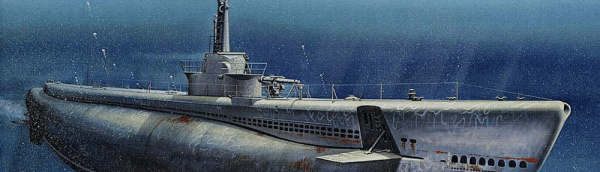
1942
In February 1942, just two months after the attack on Pearl Harbor, the U.S. Navy’s submarine fleet was still adapting to its new role in the Pacific War. The Silent Service had yet to prove itself as the deadly force it would become, but already, bold skippers and determined crews were striking at Japan’s vital shipping lanes. That month saw both triumph and tragedy—USS Sargo (SS-188) made an early mark by sinking a Japanese cargo vessel, while USS Shark (SS-174) became the first American submarine lost to enemy action. Continue reading “WWII – February: The Silent Service Steps Up in the Pacific”
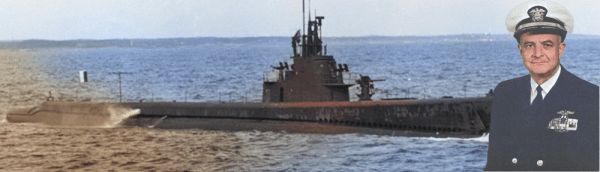
 Admiral John S. McCain’s naval career, intertwined with the legacy of service passed down through generations of his family, stands as a testament to a life dedicated to the United States Navy. Born into a distinguished lineage of naval officers, McCain was destined to follow in the formidable footsteps of his father, Admiral John S. McCain Sr., and his grandfather, a respected four-star admiral. Despite the rebellious nature that characterized his early years at the U.S. Naval Academy, McCain graduated and embarked on a path that would mark him as one of the most influential figures in submarine warfare.
 Patrol Reports