
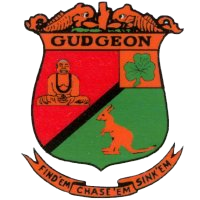
She was a trailblazer beneath the waves, a steel sentinel prowling the depths at the dawn of a new kind of warfare. USS Gudgeon (SS-211) was one of the twelve Tambor-class submarines, a fleet that marked the United States Navy’s first fully successful attempt at creating true long-range submarines fit for offensive action in enemy waters. The Tambors were leaner, faster, and more lethal than their predecessors, built with lessons hard-won from experimental classes and interwar missteps. They combined the range and speed of the earlier Sargo class with important upgrades—including six forward torpedo tubes, a more reliable full diesel-electric propulsion system, and a combat-optimized conning tower. These design refinements came from a forward-looking team led by future Admiral Charles A. Lockwood, who understood that America would need subs capable of sustained pressure in the vast Pacific.
Continue reading “USS Gudgeon SS-211”

 Patrol Reports