The Deep Peril: Submarine Disasters and the Urgent Quest for Safety in 1928

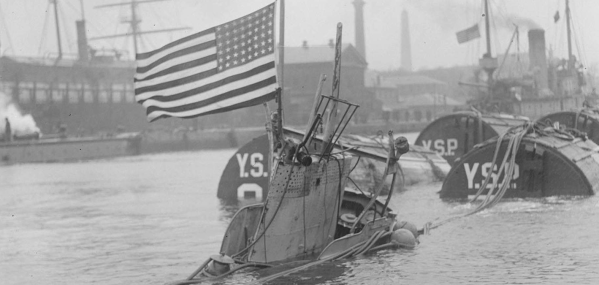
The year 1928 was not kind to submariners. It began with the aftermath of the USS S-4 tragedy, a disaster that left all forty men aboard entombed just a few hundred yards from Provincetown, Massachusetts. The submarine had been rammed by the Coast Guard destroyer Paulding and went down in less than a minute, settling at about a hundred feet. Six men trapped in the torpedo room signaled by tapping out messages on the hull, asking the haunting question: “Is there any hope?” Weather and sea combined to make the answer no. Despite the efforts of Rear Admiral Brumby, Captain Ernest J. King, Lieutenant Henry Hartley, and Commander Edward Ellsberg, the men suffocated before help could reach them. The tragedy became a defining moment for the submarine force, not just for the lives lost, but for the realization that rescue methods were woefully inadequate.

Continue reading “The Deep Peril: Submarine Disasters and the Urgent Quest for Safety in 1928”

Silent Pioneer

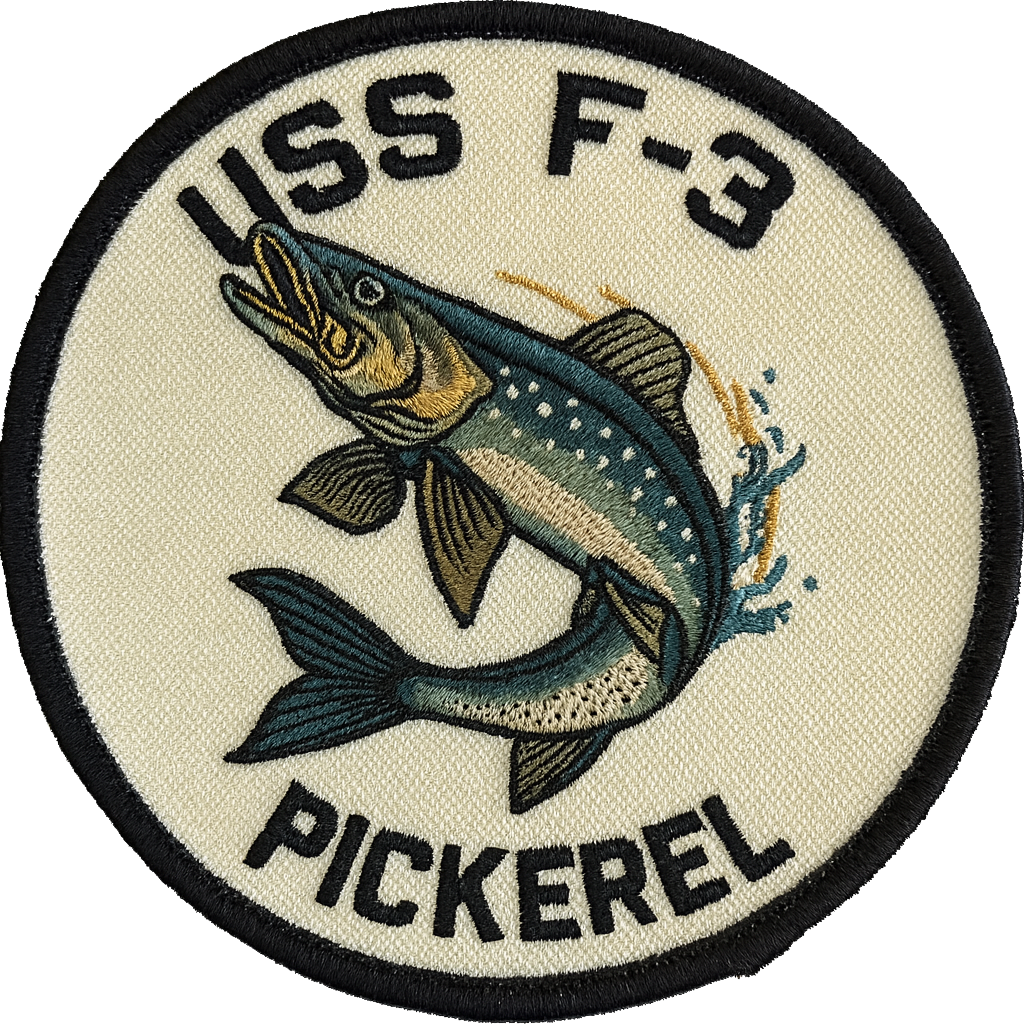
In the early days of the twentieth century, when the United States was just beginning to understand the promise and peril of undersea warfare, a small, steel-hulled boat slipped into the waters of the Puget Sound. She wasn’t flashy. There were no cheering crowds on the dock and no headlines outside the Navy towns. But when USS F-3, originally named Pickerel, was commissioned on August 5, 1912, she quietly joined the ranks of a fledgling force that would one day shape the future of naval combat.

Continue reading “Silent Pioneer”

Under the Ice

She started life as a workhorse, not a wonder. USS O-12 was never meant to make history, only to do her duty. Built in Bridgeport, Connecticut in 1916, this O-class submarine served briefly in the Panama Canal Zone after World War I. She was solid, if not spectacular. Compared to her Electric Boat sisters, she had her flaws. But for a few short years, she stood watch where it mattered. Then, in 1924, the Navy pulled her from service and parked her at the Philadelphia Navy Yard. She was supposed to be scrapped. That would have been the end of it.

Continue reading “Under the Ice”

Blog at WordPress.com.

Up ↑