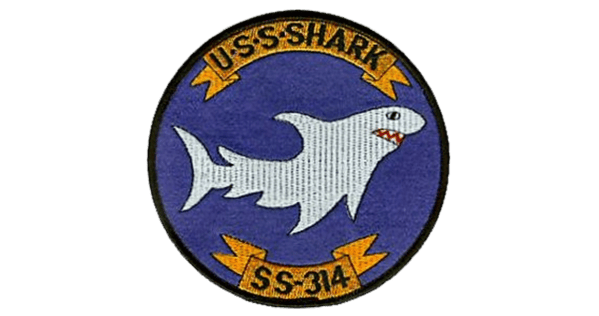
The Operational History and Final Patrol of USS Shark II SS-315
In the late autumn of 1943, the United States Navy aggressively expanded its undersea campaign across the Pacific Theater. To sever the Japanese Empire’s sea lines of communication, American naval doctrine demanded advanced fleet-type submarines capable of long-range, deep-penetration patrols in heavily contested waters. The transition to the Balao -class submarine design directly addressed earlier operational limitations—such as structural depth constraints and hull vulnerability under sustained depth-charge attack—by replacing mild structural steel with high-tensile steel (HTS). This engineering evolution provided the Silent Service with a deep-diving capital asset engineered to withstand severe anti-submarine countermeasures while penetrating heavily defended maritime corridors to destroy enemy combatants and merchant shipping.

