
The submarine force of the United States Navy often made headlines with daring sinkings and spectacular patrols. Yet the war was also fought by boats like USS Gar, steady workers of the Pacific campaign, which endured mishaps, setbacks, and still managed to strike blows against the enemy. On August 20, 1943, Gar proved her worth in one of those tense encounters that demonstrated grit more than glamour.
Gar was the first of her subclass, a Tambor/Gar-class diesel-electric submarine built at Groton, Connecticut, by Electric Boat. Her keel went down in December 1939, she was launched in November 1940, and by April 1941 she was in commission with Lieutenant D. McGregor in command. She cut her teeth along the New England coast, running shakedown drills out of Portsmouth and New London, including dangerous depth charge tests that helped the Navy understand the effects of underwater blasts on submarines. By December 1941 she had transited the Panama Canal and was on the Pacific coast when news of Pearl Harbor broke.
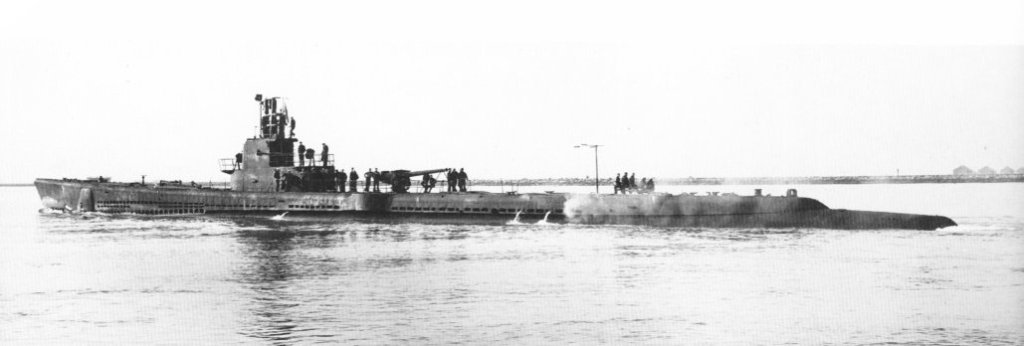
Her first eight patrols were a mixed record of early successes, missed opportunities, and hard lessons. On her first patrol she was credited with sinking the freighter Chichibu Maru, though later records dispute which ship went down that day. By the fourth patrol she was laying mines off Bangkok. On her fifth she drove a Japanese freighter onto the beach near Manila and struck a seaplane tender. Later she prowled off Negros and Mindoro, torpedoing multiple freighters and earning her skipper the Silver Star. She even took to gun actions, destroying small craft when torpedoes were scarce. By July 1943, Lieutenant Commander Philip D. Quirk handed command to George W. Lautrup in Fremantle, Australia.
It was under Lautrup that Gar began her ninth patrol, departing Fremantle on August 8, 1943. Her route would take her past Timor, into Ombai Strait, and then northward. Fate intervened before the enemy ever did. In the darkness of early morning on August 20, she struck a floating log with her port screw. The damage bent blades and crippled her speed. On the surface she could barely make eleven knots. Submerged she crawled at four. A handicap like that could have justified turning back. Instead, Lautrup pressed on.
That same afternoon smoke was spotted on the horizon. By late in the day it was confirmed: a Japanese freighter with a destroyer escort. Despite her wounds, Gar went to battle stations. At 1725 she loosed three torpedoes. Two minutes later the destroyer countered with a fury of depth charges. For nearly two hours explosions pounded the waters around her, as Lautrup maneuvered his wounded boat to survive. When the concussions finally ceased, Gar had already landed her blow. One of her torpedoes tore into the freighter, breaking it apart. The victim was a Banboeng Maru type freighter of about 4,000 tons.
Gar slipped away, surfacing later that night. An inspection revealed what the crew already knew, two blades of the port propeller were bent beyond use. The next day Pearl Harbor ordered her home. She had lasted only a week in the combat zone, yet she had still managed to take a ship with her. Postwar analysts reduced the tonnage credited, giving her one ship of 1,000 tons, but the men aboard knew what they saw. They had crippled a freighter even while half-crippled themselves.
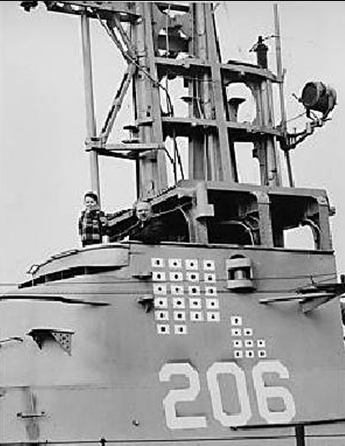
She returned to Pearl in September and then to Mare Island for overhaul. Modernization and new commanders would send her back into combat, where she fought through her tenth to fifteenth patrols. She sank cargo ships, rescued downed aviators under the nose of Japanese guns, delivered men and supplies to Luzon, and even shelled installations on Yap. Her captains earned Navy Crosses, Legions of Merit, and Bronze Stars. Gar herself earned eleven battle stars before the war was done.
After 1945 she trained ships in antisubmarine warfare and then took up duty as a reserve training submarine in Cleveland, a strange fate for a boat that once haunted the South China Sea. In 1959 her name was stricken from the list, and she was sold for scrap.
Gar’s story is not just one of spectacular tonnage sunk. It is the story of a submarine that kept fighting when damaged, that struck a blow in Makassar Strait on August 20, 1943, when by rights she might have limped home empty-handed. In that moment, she stood as a reminder that in the silent service, perseverance often mattered more than perfection.
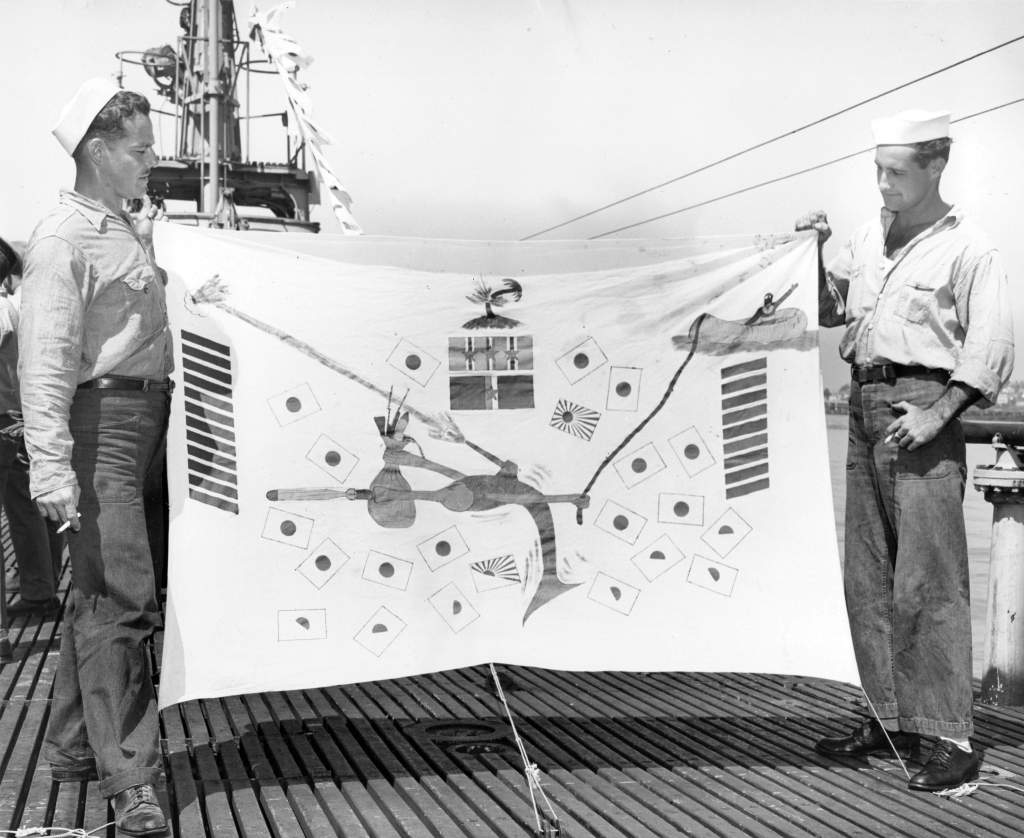
 Patrol Reports
Leave a comment