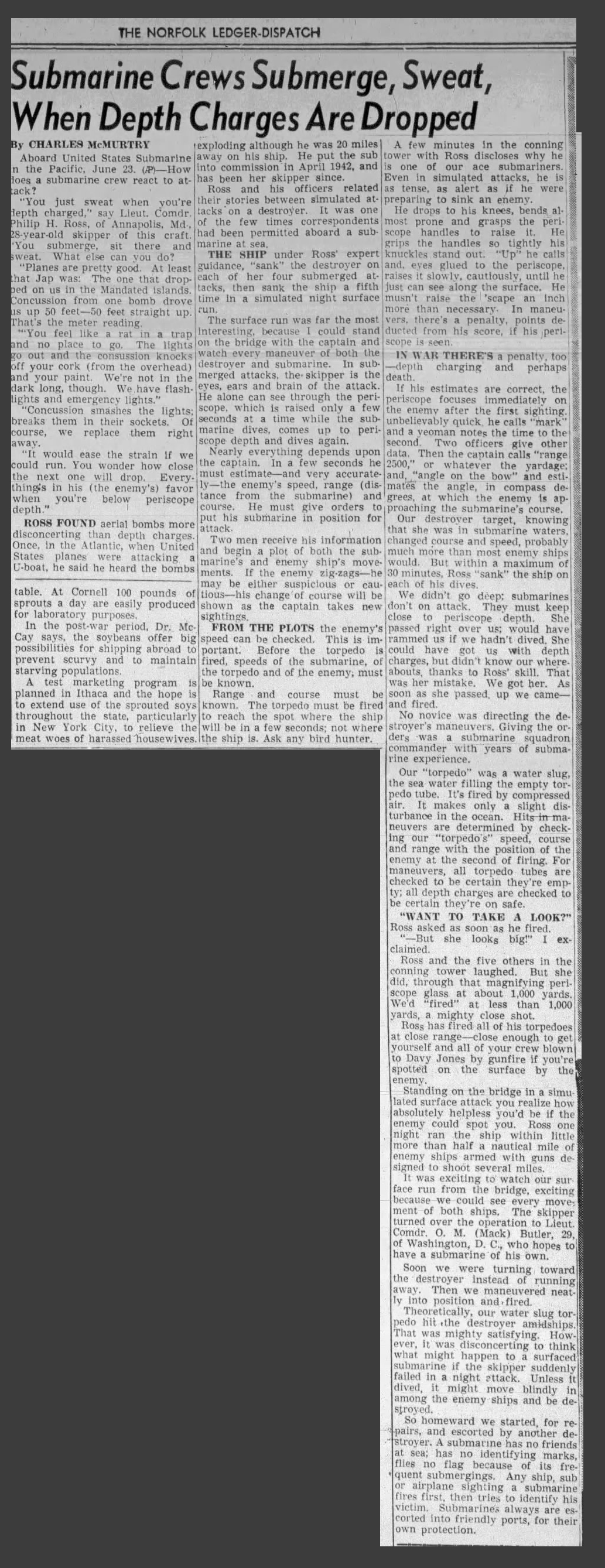
On June 23, 1943, the Norfolk Ledger-Star published a rare look into one of the most secretive corners of the American war effort. Titled “Submarine Crews Submerge, Sweat, When Depth Charges Are Dropped,” the article gave readers at home a dramatic, carefully curated peek into life aboard a U.S. Navy submarine during World War II. For a service built entirely on secrecy, it was a surprising choice.
The story brings readers just close enough to the action. It describes the chaos and claustrophobia of a depth charge attack. The lights go out. The sub tilts and groans. Officers calculate courses, speeds, and firing angles in tense silence. Crewmembers hold their breath, literally and figuratively, as enemy destroyers hunt above them. And all of this unfolds without giving up a single operational detail.
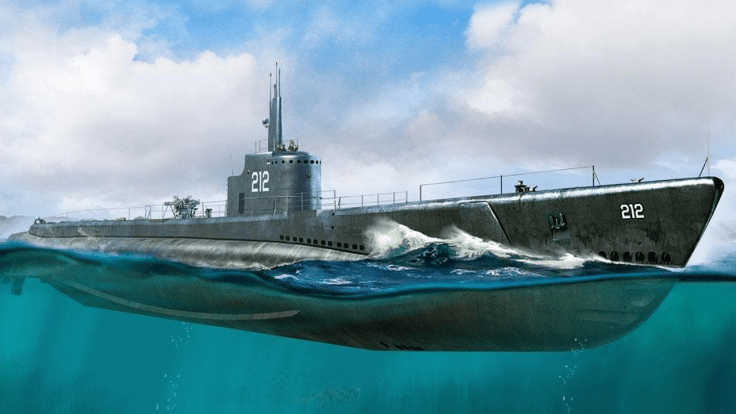
That was the trick. Submarine missions during the war were classified to the hilt. Names of boats were kept secret. Locations were never revealed. Even family members didn’t know when or where their loved ones had deployed. So why would a wartime newspaper run a story about how submariners operated beneath the waves?
The answer was morale.
The article doesn’t name any ships. It doesn’t tell the enemy anything useful. But it gives Americans a sense of the courage, pressure, and patriotism required from those serving below the sea. It turns these unseen warriors into something more than shadowy figures in uniform. It makes them real.
At the same time, the Navy kept tight control over what could be published. The story offers vivid imagery and technical-sounding terms like “angle on the bow” and “periscope depth,” but it never reveals how decisions were actually made or where engagements occurred. It walks the line between stirring emotion at home and keeping the enemy in the dark.
Compare this to the world we live in today. News and imagery from modern military operations often surface in real time. Journalists tweet updates. Satellite photos circulate freely. Even regular citizens with smartphones can broadcast images of troop movements before a press officer has finished their coffee. In 1943, silence was not just a strategy. It was a responsibility.
This newspaper article is a fascinating case study in how wartime communication worked. It gave the public a chance to imagine the danger without endangering the mission. It fostered national pride without inviting enemy countermeasures. And it reminded readers that while they might not know where their sons and husbands were, those men were out there doing something important.
It also shows how newspapers helped win the war. Not by breaking news, but by building connection. These stories weren’t just reporting. They were part of the emotional fabric of the home front. They reassured, uplifted, and occasionally warned. And always, they served a larger purpose.
For historians and veterans alike, this article offers more than nostalgia. It reveals how a nation fought not only with torpedoes and tactics but also with stories. Carefully chosen words helped bridge the gap between the unknown battles underwater and the kitchen tables back home.
Sometimes, saying just enough is more powerful than saying everything.
 Patrol Reports
Leave a comment