 The USS Grayback (SS-208) was a hunter of the deep, a sleek steel predator that prowled the Pacific with deadly efficiency. By February 1944, she had established herself as one of the most successful American submarines in the war, with a combat record that struck fear into the heart of the Imperial Japanese Navy. Her crew, a hardened and determined group of men, had fought through some of the most treacherous waters in the Pacific. But war is a cruel mistress, and fate had marked Grayback for her final patrol.
The strategic situation in early 1944 was shifting. The United States had turned the tide in the Pacific, pushing back against Japanese expansion with increasing force. The submarine force played a critical role, cutting off Japanese supply lines and disrupting troop movements. As part of this campaign, Grayback had been a terror to enemy shipping, credited with sinking over 63,000 tons of enemy vessels—an impressive tally that placed her among the elite of the Silent Service.
Under the command of Lieutenant Commander John Anderson Moore, Grayback had already made history. Her previous patrols had been filled with harrowing encounters, including the daring use of wolfpack tactics alongside USS Shad and USS Cero to hunt down enemy convoys. She had survived relentless depth charge attacks, outmaneuvered enemy destroyers, and even performed emergency medical procedures in the cramped confines of her steel hull. The men aboard her were battle-tested and determined, their spirits lifted by each hard-won victory.
When Grayback set out on her tenth war patrol on January 28, 1944, her mission was clear: head to the East China Sea and do what she did best—cripple Japanese supply lines. She wasted no time making her presence known. On February 19, she struck a devastating blow, sinking the army cargo ships Taikei Maru and Toshin Maru. Five days later, she reported another success—sending the tanker Nanho Maru to the bottom and severely damaging Asama Maru. With only two torpedoes left, Grayback was ordered home.
That final transmission was sent on February 25, 1944. It was the last message ever received from the USS Grayback.
The next day, as Grayback made her way through the East China Sea, a Japanese Nakajima B5N “Kate” torpedo bomber spotted her cruising on the surface. The pilot seized the opportunity, diving in and releasing a 500-pound bomb. It struck just aft of the conning tower, detonating with catastrophic force. Japanese reports describe the submarine as “exploding and sinking immediately.” But the attack did not end there. Surface vessels were called in, depth-charging the area where the submarine had vanished beneath the waves. An oil slick rose to the surface, marking the grave of the USS Grayback and her crew of 80 men.
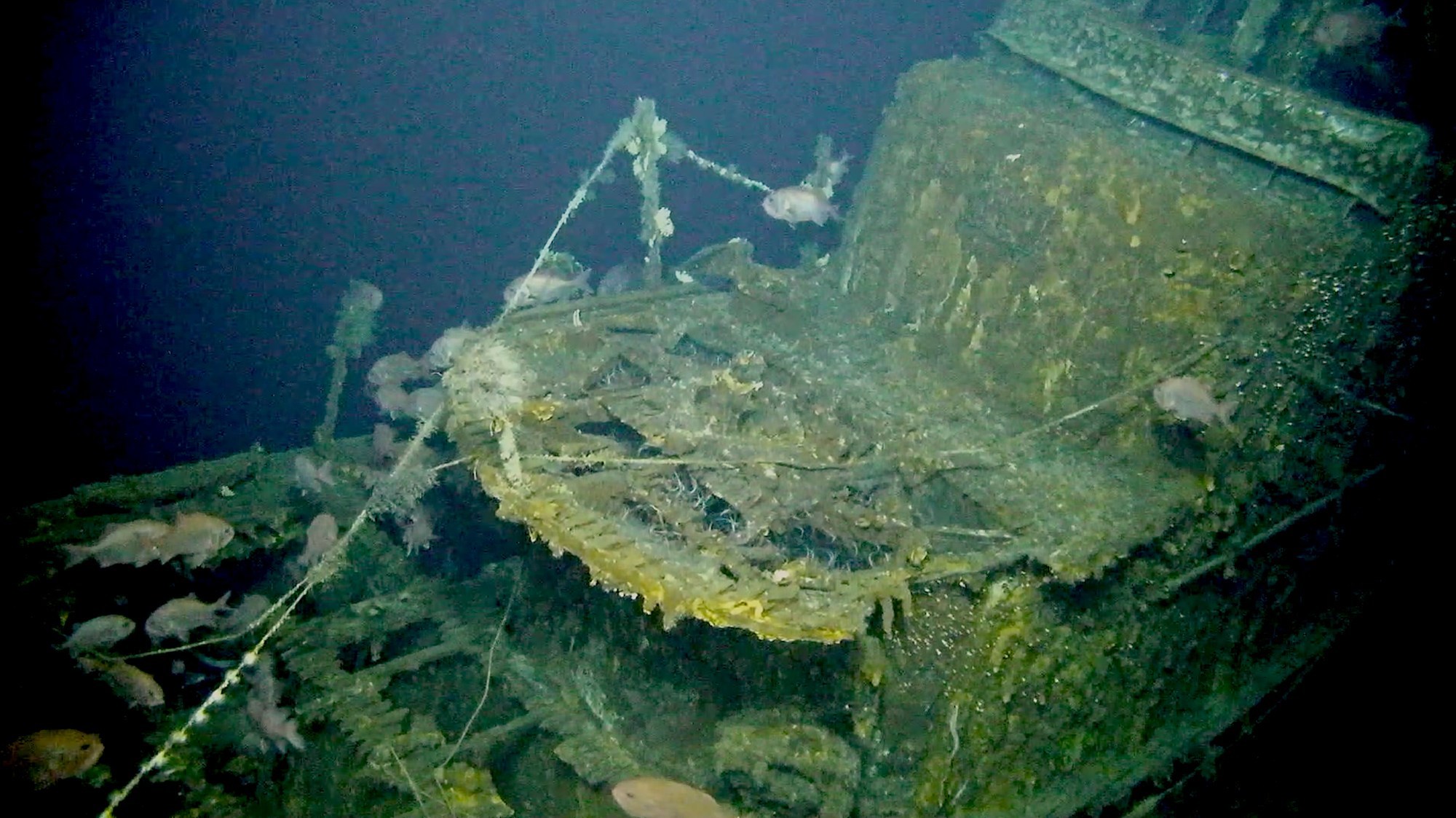
For decades, the fate of Grayback remained a mystery. The U.S. Navy had long believed she had gone down in a different location due to a translation error in Japanese records. It wasn’t until 2019, when the Lost 52 Project, led by explorer Tim Taylor, uncovered the truth. Using advanced underwater robotics and newly translated Japanese mission logs, Taylor’s team pinpointed Grayback’s final resting place. Lying 1,427 feet below the surface, the wreck was remarkably intact, though its conning tower bore the brutal scars of the explosion that sealed its fate.
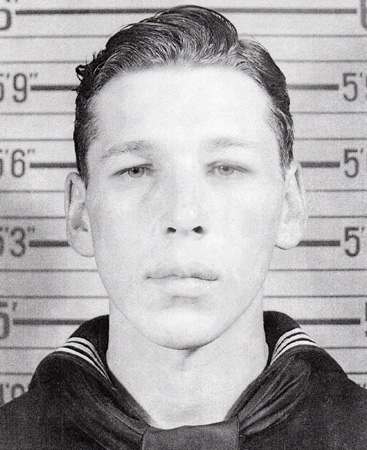
The discovery was a somber but significant moment, offering closure to the families of the 80 men who had never come home. Among them was Radioman First Class William Jack Brasch of Hoquiam, Washington, whose name now stands alongside his shipmates on the eternal patrol.
For the submarine veterans of the Bremerton base, Grayback’s loss is not just history—it is personal. These men understand the unspoken bond of the Silent Service, the sacrifices made beneath the waves, and the unforgiving nature of submarine warfare. Grayback’s discovery is a testament to the enduring legacy of those who serve, a reminder that while steel may rust and records may fade, the courage of the men who fought beneath the sea will never be forgotten.
Their watch is ended. Their sacrifice endures. And now, at last, we know where USS Grayback sleeps.
 Patrol Reports
Leave a comment