
A Personal Observation
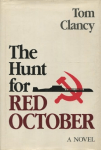 In the middle of Patrol 5, around late October of 1984, I was handed a paperback copy of “The Hunt for Red October.” It was not required reading, but many of the folks aboard who had already read it were effusive in their praise for it. They assured me that it would “help” with the final days of my ships quals, which were quickly coming to completion.
As I recall, it did not provide any specific assistance in my final quals and my board. What it did do was open my eyes to the open discussion of things that I, at least to that point, believed were never to be discussed. Not even the idea that there might be something – anything whatsoever – to even discuss. Continue reading “Spyron”

 The South China Sea in December 1944 was a hunting ground, and the USS Flasher (SS-249) was one of its fiercest predators. As the tides of war turned decisively against Japan, Allied submarines prowled beneath the waves, targeting the convoys that were vital to Japan’s survival. On December 4, 1944, under the command of Lieutenant Commander George W. Grider, the Flasher launched a daring attack that would further cement her place in history. In a single engagement, she sank the Yūgumo-class destroyer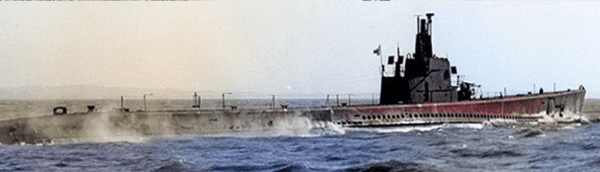
 On a stormy December night in 1943, the Pacific Ocean was both battlefield and graveyard. The USS Sailfish (SS-192), a veteran submarine of the U.S. Navy’s Silent Service, hunted in the dark, braving typhoon-like conditions and enemy patrols south of Honshū, Japan. The stakes were high: a war-worn world watched as Allied forces slowly gained momentum in the Pacific Theater. The Sailfish’s prey that night was the Japanese escort carrier Chūyō, part of a convoy ferrying personnel, aircraft, and supplies critical to Japan’s war effort. But aboard the Chūyō were 21 American prisoners of war, survivors from the USS Sculpin (SS-191), lost just weeks earlier. The events of December 4, 1943, would mark one of the Silent Service’s most significant victories—and one of its deepest tragedies.
  Patrol Reports