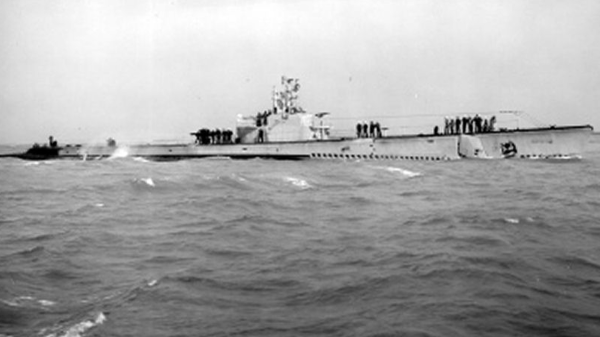
The Combat Evolution and Cold War Legacy of USS Dace (SS-247)

The USS Dace (SS-247) represents one of the most storied combat records in the history of the United States Navy’s “Silent Service.” A Gato-class fleet submarine, the Dace distinguished herself as a premier instrument of undersea denial during World War II, earning seven battle stars and the prestigious Navy Unit Commendation. Her operational history is characterized by a high degree of tactical versatility, ranging from aggressive surface gun actions and the destruction of heavy cruisers to specialized commando insertions in enemy territory.

The vessel’s career serves as a historical microcosm for the evolution of American submarine warfare. Her journey reflects the broader transition of the U.S. Submarine Force: originating as a raw, mass-produced WWII fleet combatant and evolving into a specialized Cold War training and anti-submarine warfare (ASW) platform. Through technical modernization and international cooperation, the Dace helped bridge the gap between the era of unrestricted undersea commerce raiding and the sophisticated sonar-driven environment of the NATO alliance.

Continue reading “The Combat Evolution and Cold War Legacy of USS Dace (SS-247)”
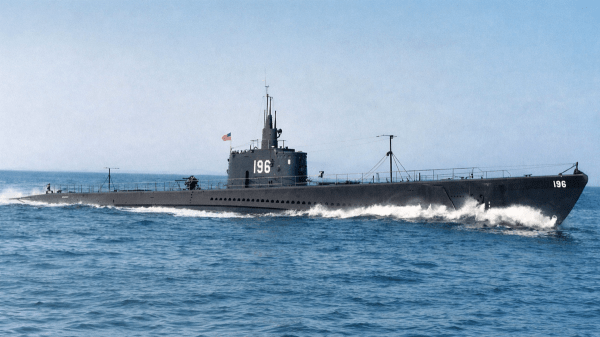
Cats Eyes

The story was told later in newsprint (January 10, 1943, Hanford, CA), folded into a Sunday paper in California, trimmed to fit a column and given a confident headline that promised reassurance to families far from the sea. It said there was never a dull moment for a submarine, and that submarine duty was not a job but a way of life. It said the night belonged to sharp eyes, steady nerves, and a skipper who knew when to act. All of that was true. None of it conveyed what the night of February 3, 1942 actually felt like aboard USS Searaven SS-196.

Continue reading “Cats Eyes”

Greenling’s November 7, 1944

After refitting at Saipan, Greenling sailed north as part of the tightening U.S. submarine net around Japan’s home islands. Her mission was straightforward but perilous: interdict shipping along Japan’s coastal lanes and disrupt the remnants of enemy supply traffic fleeing the Philippine front.

The patrol began with quiet days of endurance and routine, constant radar sweeps, periscope observations, and the perpetual strain of aircraft alerts. Submariners of this late stage of the Pacific War lived in the shadows of their predecessors’ successes. Japan’s navy had learned, and anti-submarine air coverage was now relentless. Greenling frequently dived to avoid detection, her log marking dozens of aircraft contacts, many close enough to rattle the boat with their depth-charges.

Continue reading “Greenling’s November 7, 1944”

Blog at WordPress.com.

Up ↑