
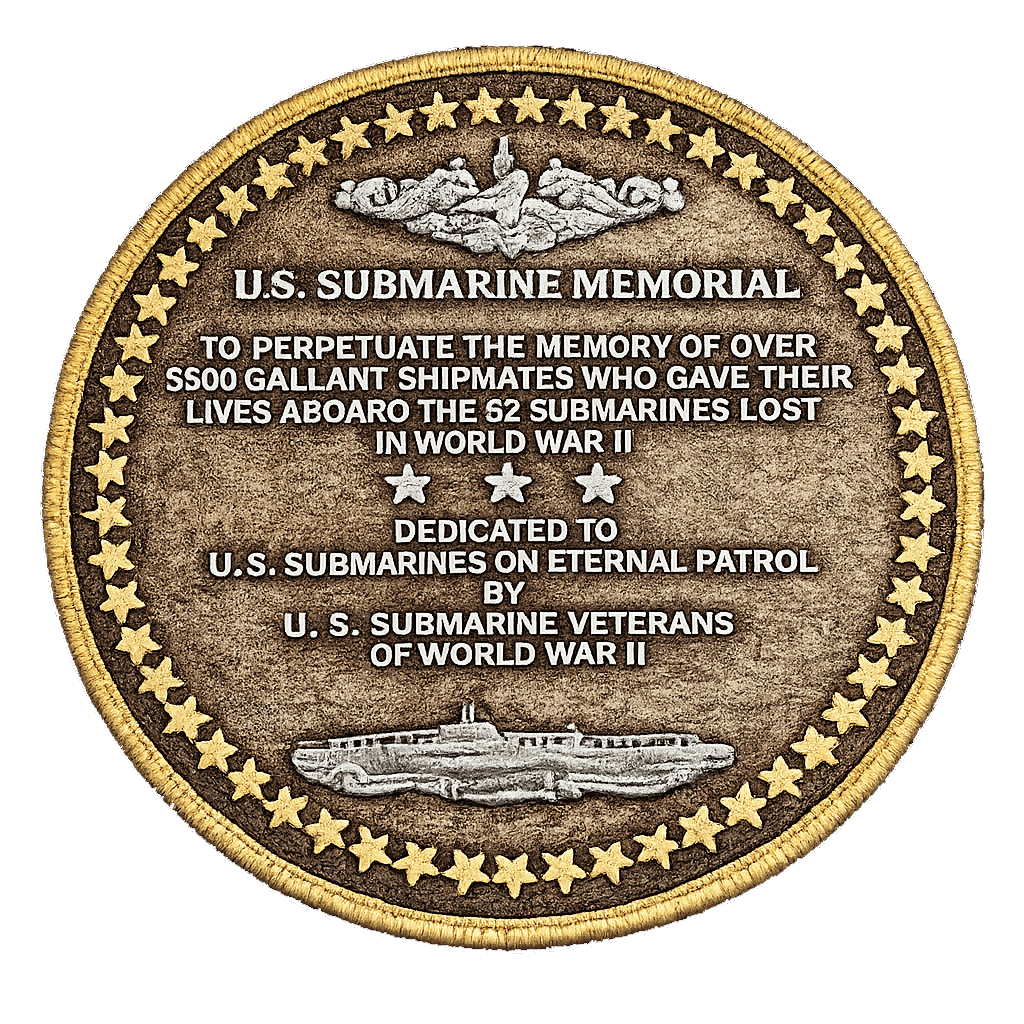
January does not announce itself gently in naval history. It arrives cold, dark, and already carrying the weight of decisions made months or years earlier. For the United States submarine force, January became a recurring point of reckoning, a month when machinery, weather, navigation, and war itself seemed to conspire against boats already stretched thin. The losses that occurred during January across multiple years of the Second World War were not part of a single battle or campaign. They were scattered in geography and cause, but unified by circumstance. They tell a story not of failure, but of exposure, of a service operating at the edge of what men and steel could endure.
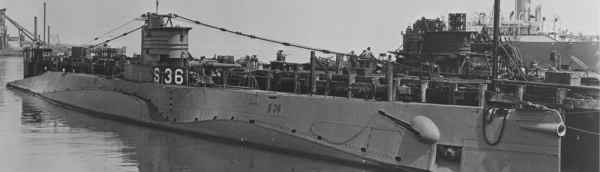
 The USS S-36 (SS-141) belonged to the S-class submarines, a fleet born in the aftermath of World War I. These boats, designed with postwar optimism, showcased the U.S. Navy’s growing ambition to dominate undersea warfare. At the time of their commissioning, they were marvels of engineering—fast, stealthy, and versatile. But by the 1940s, they had aged out of the Navy’s cutting edge. The advent of larger, more advanced submarines relegated these vessels to secondary roles. However, as the shadow of war darkened the Pacific, necessity demanded their return to the forefront.
  Patrol Reports