
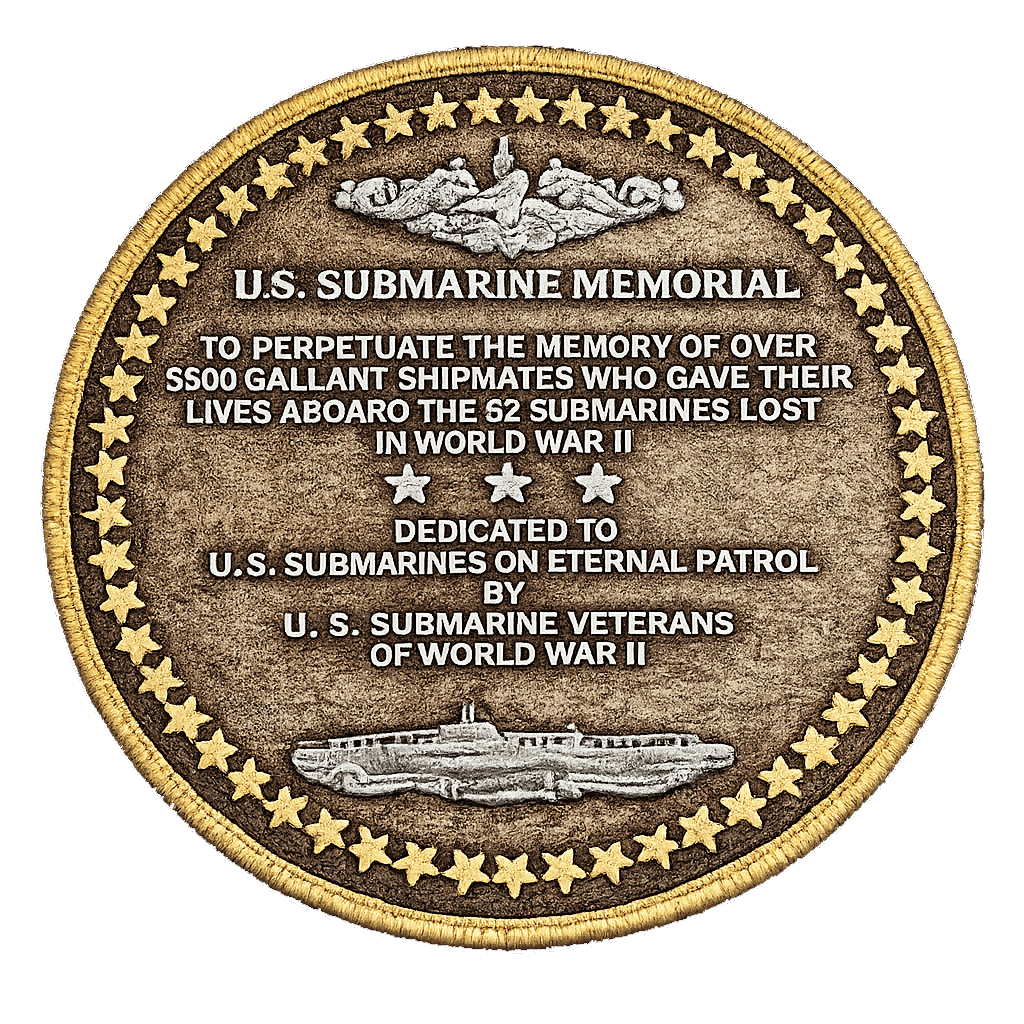
January does not announce itself gently in naval history. It arrives cold, dark, and already carrying the weight of decisions made months or years earlier. For the United States submarine force, January became a recurring point of reckoning, a month when machinery, weather, navigation, and war itself seemed to conspire against boats already stretched thin. The losses that occurred during January across multiple years of the Second World War were not part of a single battle or campaign. They were scattered in geography and cause, but unified by circumstance. They tell a story not of failure, but of exposure, of a service operating at the edge of what men and steel could endure.
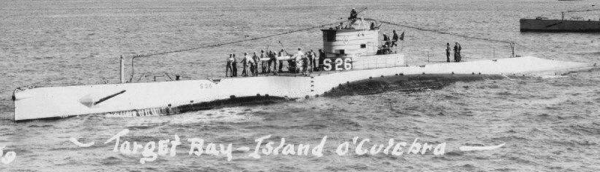
 The USS S-26 (SS-131) was part of the storied S-class of submarines, an early and crucial chapter in the history of the U.S. Navy’s submarine fleet. Laid down in November 1919 at the Bethlehem Shipbuilding Corporation in Quincy, Massachusetts, and commissioned in October 1923, S-26 was built for a world that was still grappling with the lessons of the Great War. With a length of just over 219 feet and a displacement of 1,062 tons submerged, she wasn’t a leviathan by modern standards, but she carried the hopes of an emerging naval strategy that relied on stealth, patience, and precision.
  Patrol Reports