Herring’s Last Strike

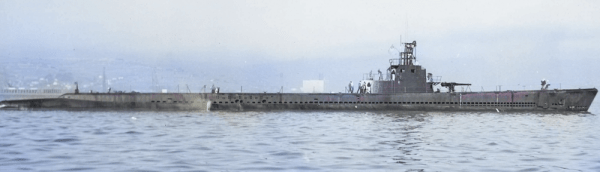
By mid-1944, American submarines were extending their patrols into the northern Pacific, including the Kurile Islands chain, to interdict Japanese shipping and isolate enemy garrisons. Following the Aleutian Islands campaign (1942–43), Japan’s remaining bases in the Kuriles (stretching from Hokkaido to Kamchatka) were targets for periodic U.S. air raids and naval harassment. Older S-class submarines had prowled these cold northern waters early in the war, and notably the USS S-44 was sunk off Paramushiro by a Japanese escort in October 1943. By 1944, fleet submarines from Pearl Harbor and Midway took up patrols in the area. The USS Barb (SS-220) and USS Herring (SS-233) were among the U.S. subs assigned to the Sea of Okhotsk and Kuriles, hunting convoys that supplied isolated outposts. Barb was now under the command of Commander Eugene B. “Lucky” Fluckey (who had taken command in May 1944), while Herring was on her eighth war patrol under Lieutenant Commander David Zabriskie, Jr.. These two submarines would rendezvous in late May 1944 to coordinate their efforts against Japanese shipping in the region.

Continue reading “Herring’s Last Strike”

Jack Daniels Old No. 7 Black Label Tennessee Sour Mash Whiskey

In the waning days of May 1959, as Cold War tensions simmered just beneath the waves of the North Atlantic, a diesel-powered submarine from the United States Navy quietly made history. The USS Grenadier, a Tench-class submarine commissioned after the Second World War and still active in the early nuclear age, was patrolling a particularly sensitive patch of ocean near the Greenland-Iceland-United Kingdom gap. This was no ordinary patrol. Intelligence analysts had begun to suspect that the Soviets were pushing their submarine forces westward, probing closer to NATO territory than ever before. For Admiral Jerauld Wright, the Commander in Chief of the Atlantic Fleet, it was a moment of opportunity wrapped in paranoia. He had issued an informal challenge to his undersea commanders: the first one to produce hard evidence of a Soviet submarine prowling the Atlantic would earn a case of Jack Daniels.

Continue reading “Jack Daniels Old No. 7 Black Label Tennessee Sour Mash Whiskey”

Stickleback

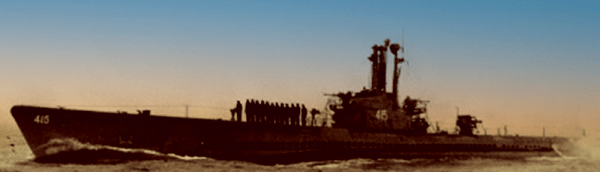
She was born in the final stretch of World War II, commissioned in March 1945 at Mare Island. Like many boats of her generation, she came too late to fire a shot in anger, but the USS Stickleback (SS-415) still made her presence known. She served with quiet distinction in the Pacific, patrolling the waters between Japan and Korea, offering aid to shipwrecked Japanese survivors in the war’s waning days, and returning home in time to parade in Admiral Halsey’s victory fleet. Then she went to sleep in the reserve fleet, waiting, like many others, for a second act.

Continue reading “Stickleback”

Blog at WordPress.com.

Up ↑