Vison Below The Surface – The Submarine Leadership of Admiral Samuel Shelburne Robison

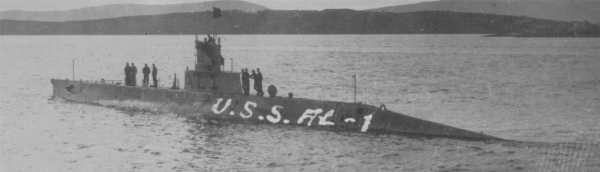
In the fog of the Atlantic and beneath the waves, a quiet revolution was underway. As the United States entered World War I in 1917, its submarine force was still in its infancy—limited in number, rudimentary in design, and scattered in command. The boats were short-ranged, poorly coordinated, and used mostly for coastal defense. But at the helm of its transformation stood a man few have heard of, yet whose legacy shaped the very heart of the Silent Service: Admiral Samuel Shelburne Robison.

Continue reading “Vison Below The Surface – The Submarine Leadership of Admiral Samuel Shelburne Robison”

A $3 Toy Security Issue?

In the early summer of 1982, I walked into the Base Exchange at Dam Neck and walked out with a piece of the Cold War, boxed and shrink-wrapped for just a few bucks. It was a model of the Polaris submarine, the pride of the U.S. Navy’s nuclear deterrent program. For months, while I attended SWSE “A” School and later Mk 98 Mod 0 “C” School, it sat on my desk. A sleek plastic sentinel with decals, accurate contours, and the powerful allure of strategic dominance. It was emblematic of all the tasks that I was leaning and being prepared to take upon myself. It’s presence reminded me of my own goals and what I wanted to accomplish.

But, back in 1961 that little submarine model kit wasn’t just a toy. It was a controversy.

Continue reading “A $3 Toy Security Issue?”

The Peanut Boat

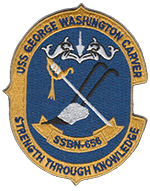
She slipped into the water at Newport News on a warm August day in 1965, sleek and silent like the role she was built to play. But the USS George Washington Carver (SSBN-656) was more than just a machine. She was a symbol. Named for an African-American scientist who had turned peanut shells into salvation for poor farmers, she stood out in a fleet named for politicians, admirals, and mythic figures. Her sponsor, the legendary contralto Marian Anderson, broke another barrier when she christened the boat, the first African-American woman to do so. And when her first crew walked aboard, they knew they weren’t just stepping onto a submarine. They were becoming part of something bigger.

Continue reading “The Peanut Boat”

Blog at WordPress.com.

Up ↑