You Sank My Battleship!

The night air in the Formosa Strait felt like a lid pressed down on the sea. Clouds hung so low they nearly brushed the masthead light of anything tall enough to carry one. Rain drifted in and out as if the sky could not decide whether to spit or swallow. The water was rough, the wind stiff, and visibility sat so close to zero that even the best eyes in the Pacific Fleet would have been useless. It was the kind of place where battleships felt safe and submarines felt blind. The Japanese believed the strait offered shelter, with shallow water to limit diving, strong currents to confuse sonar, and the comfort of home waters after the chaos of Leyte Gulf. They had every reason to believe the night belonged to them.
Continue reading “You Sank My Battleship!”

Not the Caine

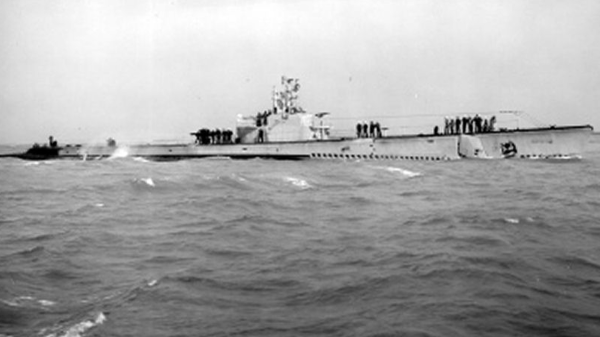
The story of the submarine USS Billfish begins quietly enough, like so many others of her time. She was a Balao-class boat, built at Portsmouth Navy Yard and commissioned in April of 1943, one of the many sleek steel predators that would come to define the silent war beneath the Pacific. Her skipper was Commander Frederick Colby Lucas Jr., a 1930 graduate of the Naval Academy, seasoned by years in the service but untested in the chaos of combat. On paper, Lucas was the model officer of his generation, steady, methodical, and dutiful. In reality, he was about to face the one test that reveals more about a man than any résumé ever could.

Continue reading “Not the Caine”

Greenling’s November 7, 1944

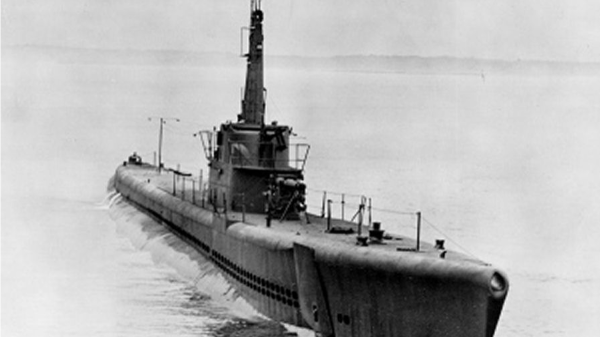
After refitting at Saipan, Greenling sailed north as part of the tightening U.S. submarine net around Japan’s home islands. Her mission was straightforward but perilous: interdict shipping along Japan’s coastal lanes and disrupt the remnants of enemy supply traffic fleeing the Philippine front.

The patrol began with quiet days of endurance and routine, constant radar sweeps, periscope observations, and the perpetual strain of aircraft alerts. Submariners of this late stage of the Pacific War lived in the shadows of their predecessors’ successes. Japan’s navy had learned, and anti-submarine air coverage was now relentless. Greenling frequently dived to avoid detection, her log marking dozens of aircraft contacts, many close enough to rattle the boat with their depth-charges.

Continue reading “Greenling’s November 7, 1944”

Blog at WordPress.com.

Up ↑