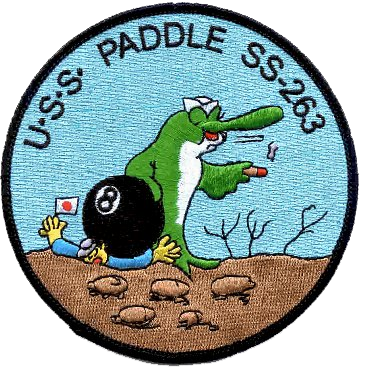
USS Paddle and the Tragedy of Shinyo Maru

The first days of September 1944 found the USS Paddle deep in enemy waters, sliding along the edge of the Sulu Sea and the Celebes, that broad, restless stretch of ocean where islands rise like jagged teeth out of the water. She was a Gato-class submarine, crewed by men who had already seen enough of the war to know its rhythms. They knew the false alarms, the sudden bursts of action, and the endless stretches of waiting. For them, the days blended into a pattern of diving before dawn, running silent through the daylight hours, then surfacing at night to breathe, to charge the batteries, and to prowl.

Continue reading “USS Paddle and the Tragedy of Shinyo Maru”

The Silent Prowler and the Submarine School Graduate: USS Cod’s War Patrols 2 and 3 through the Eyes of Calvin Baker

When the USS Cod (SS-224) first slipped into the Pacific war, she was one of dozens of Gato-class submarines sliding down the ways in 1943. The war was still young for the Silent Service, but it had already turned into a proving ground for men and machines. By the time Cod was commissioned on June 21, 1943, under Commander James C. Dempsey, the submarine force had become America’s sharpest spear against Japan’s supply lines. Cod herself was a sleek, steel predator, long, lean, and packed with 24 torpedoes, a 5-inch deck gun, and the engines and batteries to make her a silent prowler beneath the seas. She was part of the answer to Japan’s sprawling empire: cut the lifelines, sink the ships, starve the war machine. But ships are only steel and rivets until men step aboard to bring them to life.

Continue reading “The Silent Prowler and the Submarine School Graduate: USS Cod’s War Patrols 2 and 3 through the Eyes of Calvin Baker”

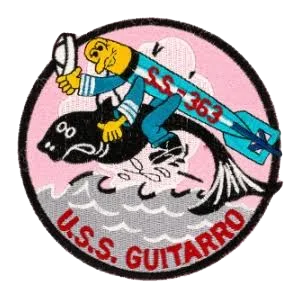
USS Guitarro’s Moonlit Victory: The Surface Gun Attack and Sinking of Nanshin Maru No. 27 off Cape Calavite, August 27, 1944


By late August 1944, Japanese supply operations in the Philippines were reduced to a dangerous gamble. With deepwater shipping lanes under constant threat from American submarines, the enemy had turned to small intercoastal tankers to shuttle fuel and oil between island bases. These vessels could slip close to shore where larger warships hesitated to follow, but if they were caught in open water they had little chance of survival.


Continue reading “USS Guitarro’s Moonlit Victory: The Surface Gun Attack and Sinking of Nanshin Maru No. 27 off Cape Calavite, August 27, 1944”

Blog at WordPress.com.

Up ↑