

The H-class submarines of the United States Navy were a product of their time, built to patrol coastal waters and operate in a world where undersea warfare was still in its infancy. The USS H-1 (SS-28), originally commissioned as Seawolf, was one such boat—a compact and capable vessel designed by Electric Boat and constructed by Union Iron Works in San Francisco. She was a pioneer in a class that would pave the way for more advanced designs. First launched in 1913 and entering service in December of that year, the H-1 served along the Pacific Coast, operating out of San Pedro, California. She ran patrols, participated in training exercises, and played her part in the early development of American submarine tactics. Continue reading “USS H-1 (SS-28)”
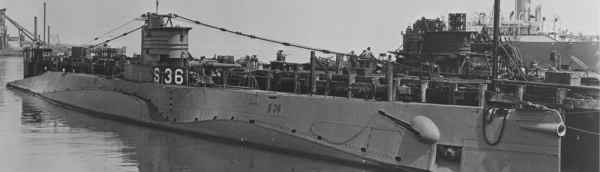
 The USS S-36 (SS-141) belonged to the S-class submarines, a fleet born in the aftermath of World War I. These boats, designed with postwar optimism, showcased the U.S. Navy’s growing ambition to dominate undersea warfare. At the time of their commissioning, they were marvels of engineering—fast, stealthy, and versatile. But by the 1940s, they had aged out of the Navy’s cutting edge. The advent of larger, more advanced submarines relegated these vessels to secondary roles. However, as the shadow of war darkened the Pacific, necessity demanded their return to the forefront.
 Patrol Reports