Silent Sacrifice

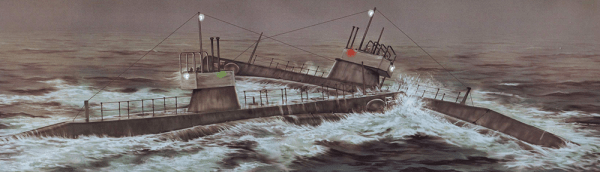
In the early 20th century, the U.S. Navy was taking its first daring steps into the unknown realm of submarine warfare. These undersea vessels were cramped, untested, and dangerous, but they represented a bold new chapter for the Navy’s evolving Silent Service. Among the pioneers of this era was the USS F-1 (SS-20), originally named Carp. At just 142 feet long and displacing 330 tons, she was small by today’s standards but sturdy and agile, a formidable achievement for her time. Laid down in 1909 at Union Iron Works in San Francisco, she was commissioned on June 19, 1912. Her crew—volunteers to an unknown life beneath the waves—would navigate new technology, constant risk, and a sea of uncertainty. Continue reading “Silent Sacrifice”

Into the Abyss: The USS S-4 Tragedy

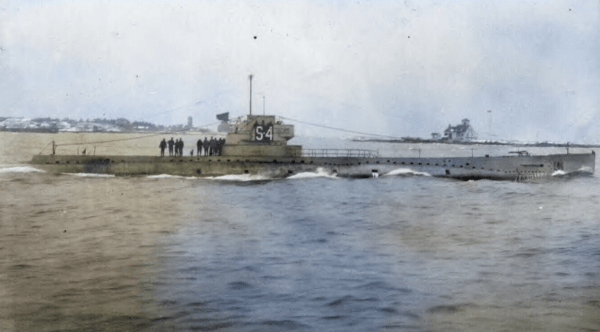
The morning of December 17, 1927, began as just another day in the regular, rigorous training routine of the U.S. Navy’s submarine fleet. For the crew of the USS S-4 (SS-109), it was supposed to be a day of standard operations, where the submarine was testing her systems off the coast of Provincetown, Massachusetts. The USS S-4, a part of the United States Navy’s fleet of S-class submarines, had been commissioned in 1922 and was engaged in routine training exercises, designed to ensure her readiness for wartime operations. Continue reading “Into the Abyss: The USS S-4 Tragedy”

Secret Et Hardi

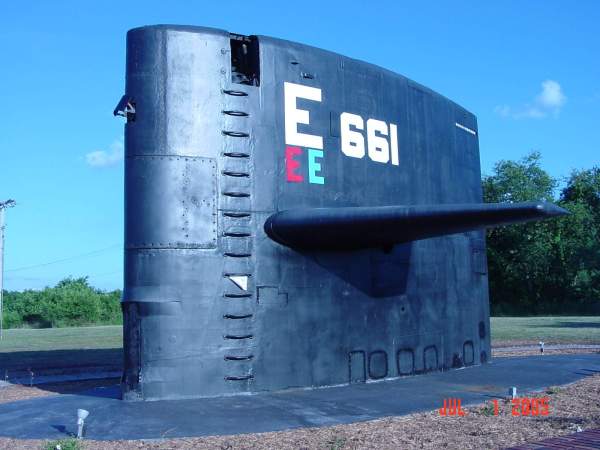
On a crisp winter day in Newport News, Virginia, the USS Lapon slid into the water, marking the arrival of one of the most advanced submarines of its time. Built as a Sturgeon-class attack submarine, Lapon embodied the technological innovations that redefined undersea warfare in the nuclear age. Its motto, Secret et Hardi—“Silent and Strong”—encapsulated the ethos of the men who would take it into the depths. Sponsored by Mrs. Charles D. Griffin, the Lapon became an integral player in America’s underwater chess game with the Soviet Union. Continue reading “Secret Et Hardi”

Blog at WordPress.com.

Up ↑