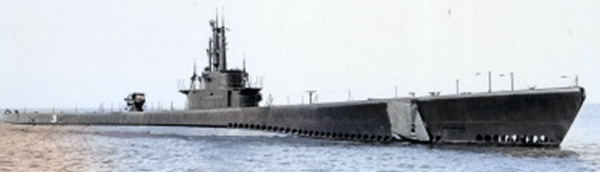
 It is the spring of 1943. The tides of war are shifting, but slowly, and not without price. Across the vast reaches of the Pacific, the United States Navy’s submarine force is waging an invisible war, slipping silently beneath enemy shipping lanes, severing supply chains one torpedo at a time. These boats are not the sleek, nuclear-powered giants of later decades, but diesel-electric beasts with steel hulls and sweat-stained decks. Their crews, young and dogged, live and die in a steel tube barely longer than a football field. It is here, in this crucible of pressure and silence, that the USS Kingfish (SS-234) earned her scars—and her survival. Continue reading “The Depths of Courage”
The Depths of Courage

 Patrol Reports