USS Ronquil’s First War Patrol: Convoy Battles off Formosa, August 1944

The USS Ronquil (SS-396) was a Balao-class submarine, one of the many steel predators the U.S. Navy sent into the Pacific during World War II. She carried the name of a humble spiny-finned fish from the waters of the Pacific Northwest, but her business was far from small. Commissioned on April 22, 1944, under the command of Lieutenant Commander H. S. Monroe, Ronquil’s steel frame stretched over 311 feet, her two propellers driven by the throb of Fairbanks-Morse diesels and Elliott electric motors. She carried ten torpedo tubes and a 5-inch deck gun, but what mattered most was the crew of eighty-one who would have to take her into combat and bring her back again.

Continue reading “USS Ronquil’s First War Patrol: Convoy Battles off Formosa, August 1944”

USS Batfish and the Velasco Reef Strike, August 23, 1944

The USS Batfish (SS-310) earned her place in history as “The Champion Submarine-Killing Submarine of World War Two.” But before she ever sent three enemy subs to the bottom in early 1945, she fought her way through tense patrols in the Central Pacific. One of her most daring actions came on August 23, 1944, during her Fourth War Patrol near Palau. It was a day when Batfish stumbled onto a Japanese flotilla trapped by reefs and shoals, and came out swinging.

Continue reading “USS Batfish and the Velasco Reef Strike, August 23, 1944”

The Deep Peril: Submarine Disasters and the Urgent Quest for Safety in 1928

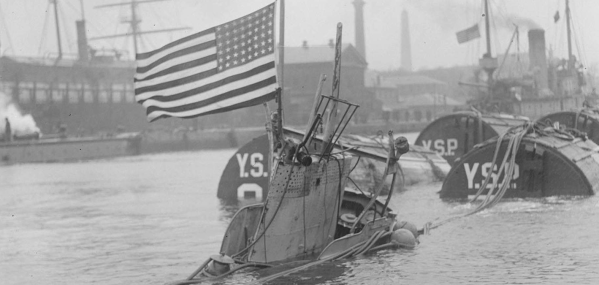
The year 1928 was not kind to submariners. It began with the aftermath of the USS S-4 tragedy, a disaster that left all forty men aboard entombed just a few hundred yards from Provincetown, Massachusetts. The submarine had been rammed by the Coast Guard destroyer Paulding and went down in less than a minute, settling at about a hundred feet. Six men trapped in the torpedo room signaled by tapping out messages on the hull, asking the haunting question: “Is there any hope?” Weather and sea combined to make the answer no. Despite the efforts of Rear Admiral Brumby, Captain Ernest J. King, Lieutenant Henry Hartley, and Commander Edward Ellsberg, the men suffocated before help could reach them. The tragedy became a defining moment for the submarine force, not just for the lives lost, but for the realization that rescue methods were woefully inadequate.

Continue reading “The Deep Peril: Submarine Disasters and the Urgent Quest for Safety in 1928”

Blog at WordPress.com.

Up ↑