JAP SUBMARINE WRECKS LAID TO U.S. BOAT: USS SNAPPER’S SECRET STRIKES REVEALED
By Special Correspondent – Pearl Harbor, June 4, 1945
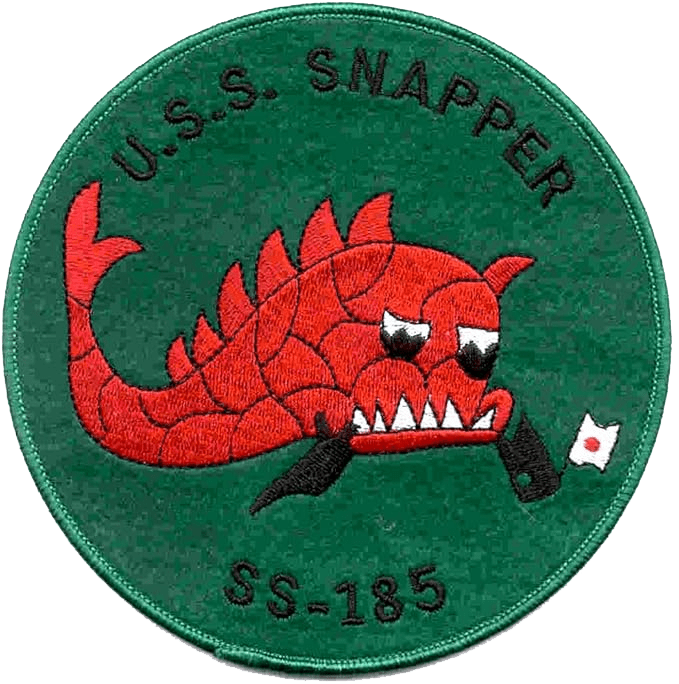
For nearly two years, the daring exploits of one of America’s most lethal submarines have remained shrouded in wartime secrecy. But today, with official clearance from Navy authorities, the veil has been lifted. The story of the USS Snapper (SS-185) and her seventh war patrol—run between July 26 and September 17, 1943—can finally be told.
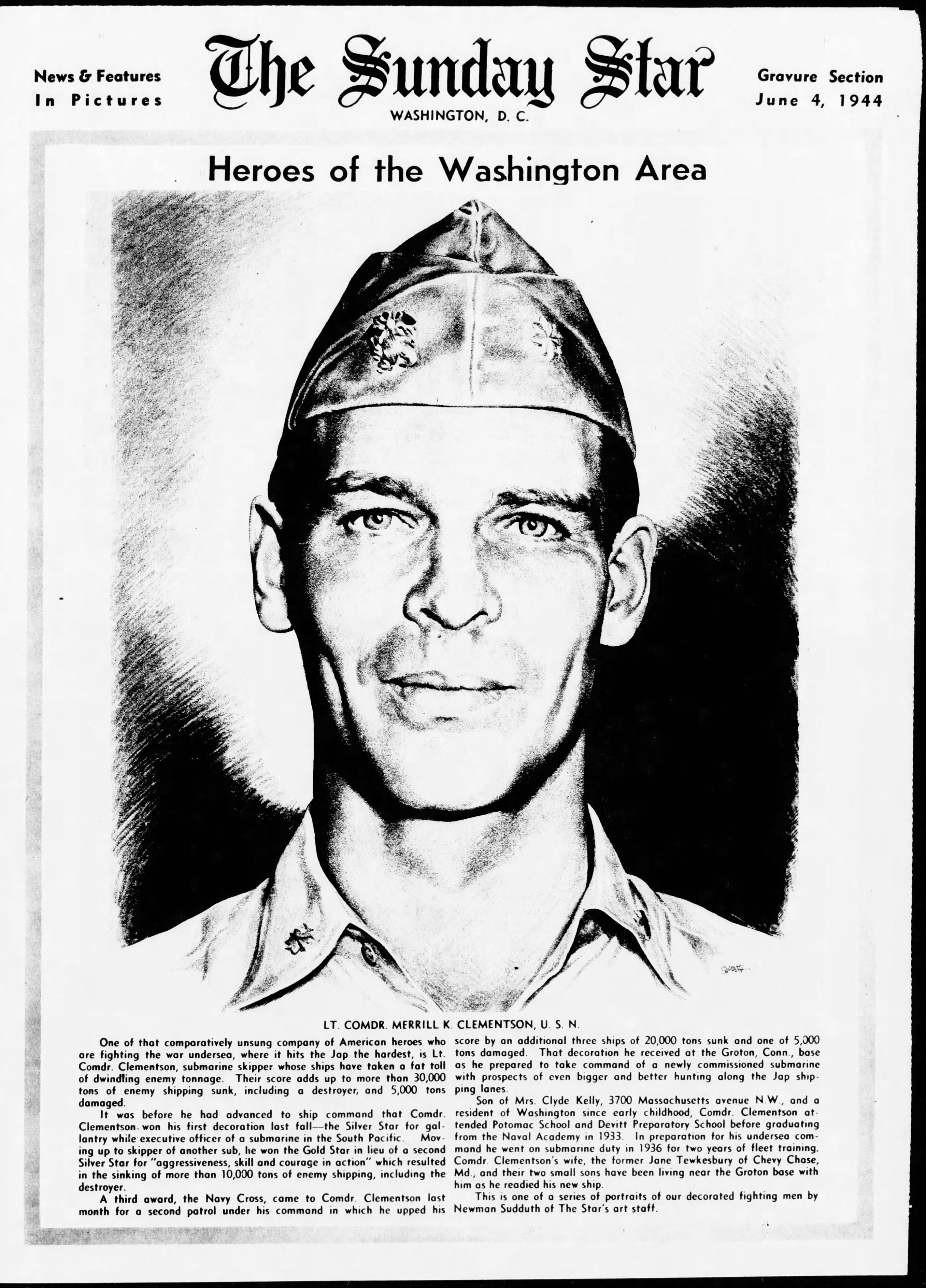
Operating deep in hostile waters of the Western Pacific, the Snapper, under the command of Lieutenant Commander Merrill K. Clementson, dealt a series of hammer-blows to the Japanese merchant marine and naval escort forces at a time when the tide of war still hung in the balance.
On August 27, 1943, Snapper silently approached the heavily defended Apra Harbor, Guam. There, anchored in false security, lay the Japanese transport Tokai Maru, a hulking passenger-cargo ship previously damaged by another American sub. In a textbook torpedo attack launched within the enemy’s own harbor, Snapper finished the job. Her torpedoes slammed into the Tokai Maru’s hull, sending her to the bottom. The blow struck not only a strategic target but also a symbolic one—proof that even Japan’s fortified harbors could not shield their dwindling lifelines from America’s undersea fleet.
Days later, on September 2, Snapper encountered a tightly packed enemy convoy of five cargo ships guarded by two escorting warships. With veteran nerve and resolve, Lt. Cmdr. Clementson selected a target not from among the fleeing freighters, but from their fanged protectors. One of the escorts, the Japanese frigate Mutsure, bore down on Snapper’s position.
Rather than retreat, Snapper bore in. She launched a single torpedo in a rare and gutsy maneuver known as a “down-the-throat” shot—aiming directly at the oncoming bow of the attacker. The torpedo struck home, shearing the frigate’s forward end and igniting a fiery death throe. The Mutsure, engulfed in flames, sank beneath the waves.
These actions were just part of Snapper’s tremendous tally during that seventh patrol. Three confirmed sinkings totaling over 20,000 tons of Japanese shipping were recorded. Another vessel, estimated at 5,000 tons, was heavily damaged and likely rendered unseaworthy. Not a single man aboard Snapper was lost. Not a single hull plate was dented.
At the time, the operation was so sensitive it was hidden from the public eye. Even families of the crew knew little of where their sons, husbands, and brothers had sailed or what dangers they had braved. The policy of silence surrounding the submarine service—the “Silent Service”—meant that some of the Navy’s most stunning victories occurred without headlines or cheers.
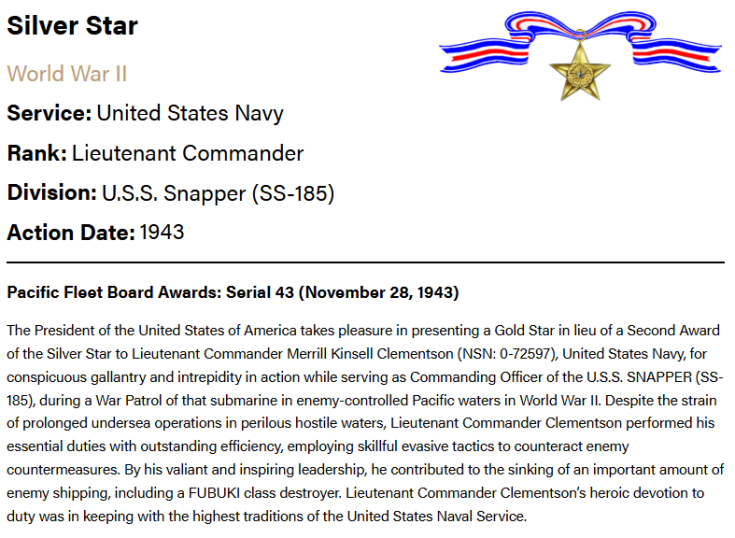
Now, with the war turning decisively in the Allies’ favor, the Navy has begun to release the details of these shadowy triumphs. Lieutenant Commander Clementson has since been awarded the Navy Cross for his heroism and tactical brilliance. His citation credits him with “extraordinary gallantry” and praises his leadership in bringing Snapper through one of her most successful war patrols.
Naval officials emphasize that stories like Snapper’s reflect not just individual valor, but a broader truth: America’s submarines have been sinking Japan’s hopes, one convoy at a time. Though they make up only a fraction of the fleet, U.S. submarines are now confirmed to have sunk more than half of all Japanese ships lost during the war. The toll in tonnage is staggering, and its strategic effect has been decisive.
In recent months, as American forces have advanced toward Japan’s home islands, submarines have grown bolder still, penetrating mined straits and striking in waters the enemy once considered safe. But it was boats like the Snapper, two years ago, that paved the way for that boldness—by proving that with the right crew, right commander, and a boat bristling with torpedoes, anything was possible.
The USS Snapper has since continued her service and added further laurels to her record. Yet for many aboard, that seventh patrol in the summer of 1943 will always stand apart—a time when courage went unheralded, victories unmentioned, and danger unspoken.
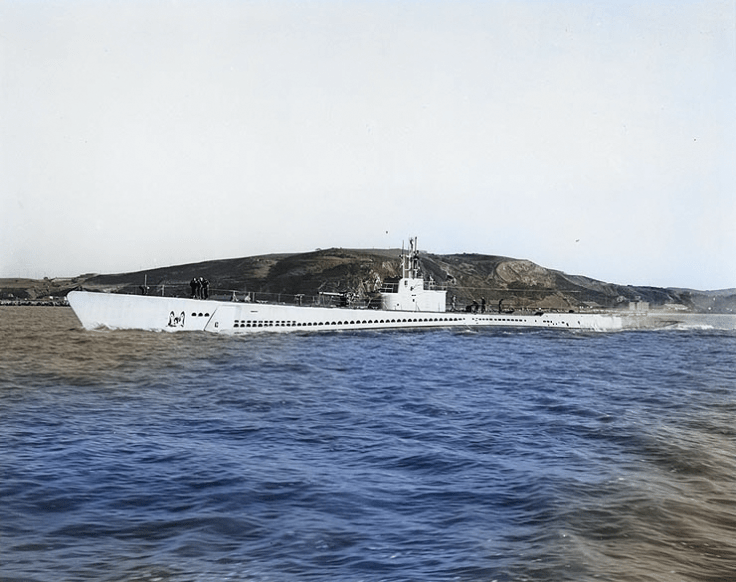
Today, at last, the silence is broken. And the men of the Snapper stand revealed for what they always were—heroes in the deep.
— Pacific Naval Dispatch, June 4, 1945
 Patrol Reports
Leave a comment