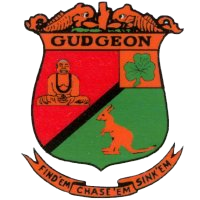
She was a trailblazer beneath the waves, a steel sentinel prowling the depths at the dawn of a new kind of warfare. USS Gudgeon (SS-211) was one of the twelve Tambor-class submarines, a fleet that marked the United States Navy’s first fully successful attempt at creating true long-range submarines fit for offensive action in enemy waters. The Tambors were leaner, faster, and more lethal than their predecessors, built with lessons hard-won from experimental classes and interwar missteps. They combined the range and speed of the earlier Sargo class with important upgrades—including six forward torpedo tubes, a more reliable full diesel-electric propulsion system, and a combat-optimized conning tower. These design refinements came from a forward-looking team led by future Admiral Charles A. Lockwood, who understood that America would need subs capable of sustained pressure in the vast Pacific.
Gudgeon, the last of her class to be commissioned, entered service on April 21, 1941, just months before Pearl Harbor. Built at Mare Island and tested along the coast, she quickly proved her mettle. After the attack on Pearl Harbor, she was among the first boats to take the fight to the enemy. In fact, she made history. On January 27, 1942, Gudgeon became the first U.S. Navy submarine to sink an enemy warship in World War II—the Japanese submarine I-73. Her eleven war patrols prior to her final mission were aggressive and effective. She sank 25 ships totaling over 166,000 tons and damaged 8 more. Her exploits spanned the East China Sea, Java Sea, Philippine waters, and the South Pacific. She landed guerrilla fighters, rescued Allied personnel, and engaged in daring surface actions that left Japanese convoys reeling. The Navy awarded her a Presidential Unit Citation for her first eight patrols, a testament to the courage and grit of her crews.
On April 4, 1944, Gudgeon departed Pearl Harbor under the command of Lieutenant Commander Robert A. Bonin for her twelfth patrol, bound for the northern Marianas. She topped off at Johnston Island on April 7 and vanished into the vast Pacific. She was never heard from again. Orders sent to her on May 11 for a special assignment went unanswered. A second attempt on May 12 also received no response. She was officially presumed lost on June 7, 1944.
So what happened? There are two main theories, each built on fragments, static, and educated guesses. On April 18, Japanese aircraft claimed a submarine kill. Their report described a direct bomb hit to the bow, another to the bridge, and the sub’s center bursting open, with pillars of oil rising from the sea. The attack’s coordinates place it near Gudgeon’s assigned patrol area. But errors in translation, coordinates, or identification cast enough doubt to keep this from being a definitive answer.
The second possibility came from events on May 12, when the Marianas were crawling with enemy anti-submarine units. That day, several U.S. submarines in the area, including Sand Lance and Silversides, reported hearing or enduring depth charge and aerial attacks. Sand Lance survived a brutal encounter, but no other subs reported damage. Gudgeon might have wandered slightly south for tactical reasons and stumbled into a gauntlet. With the air thick with depth charges and sonar pings, and silence the only language of the deep, her end could have come swiftly and without witness.
The likeliest explanation is that Gudgeon was lost to enemy action—a depth charge, an aerial bomb, or a cruel combination of both. Perhaps she was caught unaware. Perhaps she fought to the end. What is certain is that no distress signal was ever received, and no survivor ever surfaced.
Seventy-nine men were aboard USS Gudgeon on that final patrol. Seventy-nine souls who never came home. They hailed from across the country. Young men, seasoned sailors, patriots all. They served aboard a boat that made history, not with speeches or parades, but with torpedoes in the night and daring beneath the waves.
In remembering Gudgeon, we do more than mark a loss. We honor a spirit. She was one of the first to strike back after Pearl Harbor. She was part of the backbone of our silent service, one of the few that carried the war to the enemy’s front door when few others could. Her loss reminds us of the price of victory, the risk taken by those who sail into danger not for glory, but because it is their duty.
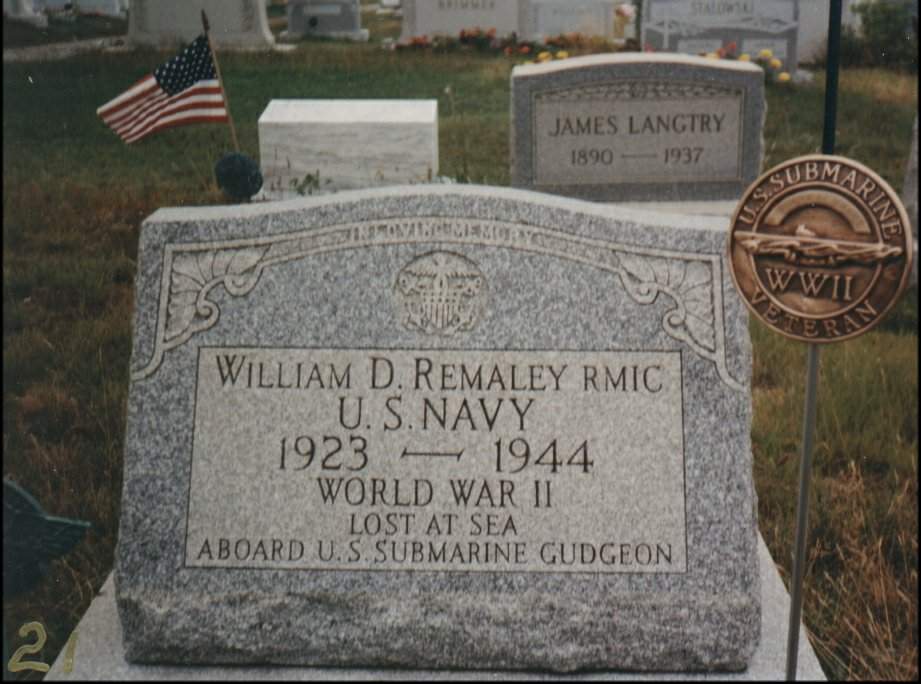
Gudgeon rests now in the vast silence of the Pacific, her exact resting place still unknown. But she is not forgotten. She is on eternal patrol. And for those who wear the dolphins, her story echoes still—a tale of service, sacrifice, and the deep devotion of those who go down to the sea in ships.
History of the USS Gudgeon SS-211 (NAVSOURCE)
 Patrol Reports
Leave a comment