1942
In February 1942, just two months after the attack on Pearl Harbor, the U.S. Navy’s submarine fleet was still adapting to its new role in the Pacific War. The Silent Service had yet to prove itself as the deadly force it would become, but already, bold skippers and determined crews were striking at Japan’s vital shipping lanes. That month saw both triumph and tragedy—USS Sargo (SS-188) made an early mark by sinking a Japanese cargo vessel, while USS Shark (SS-174) became the first American submarine lost to enemy action.
USS Sargo (SS-188): February 2, 1942 – A Small Victory in a Long War
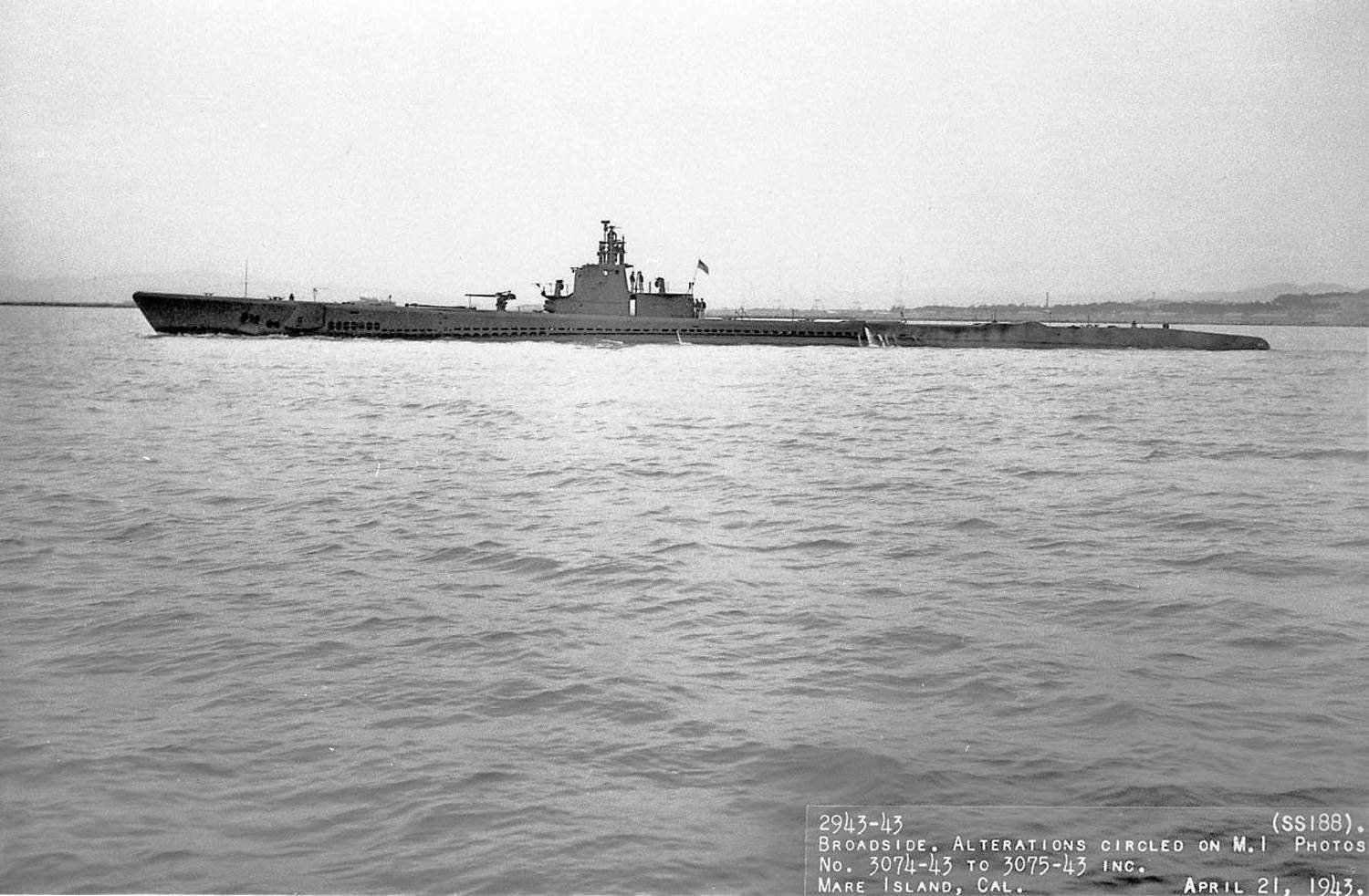
The USS Sargo (SS-188) was a Salmon-class submarine commanded by Lt. Cmdr. Tyrell D. Jacobs. By early 1942, U.S. submarines were still finding their footing, but the importance of disrupting Japan’s supply lines was already clear. On February 2, 1942, Sargo intercepted the Hiroshima Maru, a Japanese cargo vessel, and successfully sent it to the bottom with torpedoes.
While the sinking of Hiroshima Maru was not a major headline, it was an important step in the broader strategy of economic warfare against Japan. The Imperial Japanese military relied heavily on merchant shipping to supply its forces across its rapidly expanding empire, and every lost cargo ship meant fewer supplies reaching the front. Sargo’s success demonstrated that even in the early days of the war, American submarines were capable of striking at Japan’s logistics.
Sargo would go on to have a distinguished career in the war, completing numerous war patrols and playing a key role in the U.S. Navy’s strategy of economic strangulation against Japan. Its successful attack on Hiroshima Maru in February 1942 was one of the first steps in the Silent Service’s long campaign to isolate and weaken the Japanese war machine.
USS Shark (SS-174): February 11, 1942 – The First Loss
 If Sargo’s attack on Hiroshima Maru was a sign of future success, the fate of USS Shark (SS-174) was a sobering reminder of the dangers faced by U.S. submariners in the early days of the war. Shark, a Porpoise-class submarine commanded by Lt. Cmdr. Louis Shane Jr., was on patrol in the Makassar Strait, between the islands of Borneo and Sulawesi, when it was ambushed by Japanese destroyers.
On February 11, 1942, Shark engaged enemy vessels in the strait, attempting to strike back at Japanese forces advancing through the region. However, it quickly became the hunted rather than the hunter. A group of Japanese destroyers, equipped with advanced sonar and deadly depth charges, located Shark and began a relentless attack. Over the next several hours, the destroyers methodically pounded the submarine with depth charges.
Shark was lost with all hands, marking the first time an American submarine was sunk by enemy action in World War II. Its exact location remains unknown, and it is one of the many submarines still on eternal patrol. The loss of Shark was a grim reminder of the dangers of submarine warfare and the superior anti-submarine tactics that the Japanese Navy had developed.
Despite this tragedy, the Silent Service learned from such losses, improving tactics and equipment to become a formidable force in the Pacific.
February 1942 was a defining month for U.S. submarine operations. The sinking of Hiroshima Maru by USS Sargo was a small but meaningful step toward the economic warfare strategy that would later cripple Japan. Meanwhile, the loss of USS Shark was a tragic moment in U.S. Navy history, underscoring the high risks faced by submariners in the early war.
1943: USS Wahoo and USS Runner Intensify the Submarine War
By early 1943, the U.S. Navy’s Silent Service was shifting from a defensive posture to an all-out offensive against Japanese shipping. With improved tactics, more aggressive leadership, and growing experience in the Pacific, American submarines were making their presence known. USS Wahoo (SS-238), commanded by the bold and innovative Lt. Cmdr. Dudley “Mush” Morton, became the embodiment of this new aggressive approach, scoring multiple sinkings in February 1943. Meanwhile, USS Runner (SS-275) added to the growing tally of Japanese merchant losses, striking a significant blow to enemy logistics.
USS Wahoo (SS-238): A Submarine on the Attack
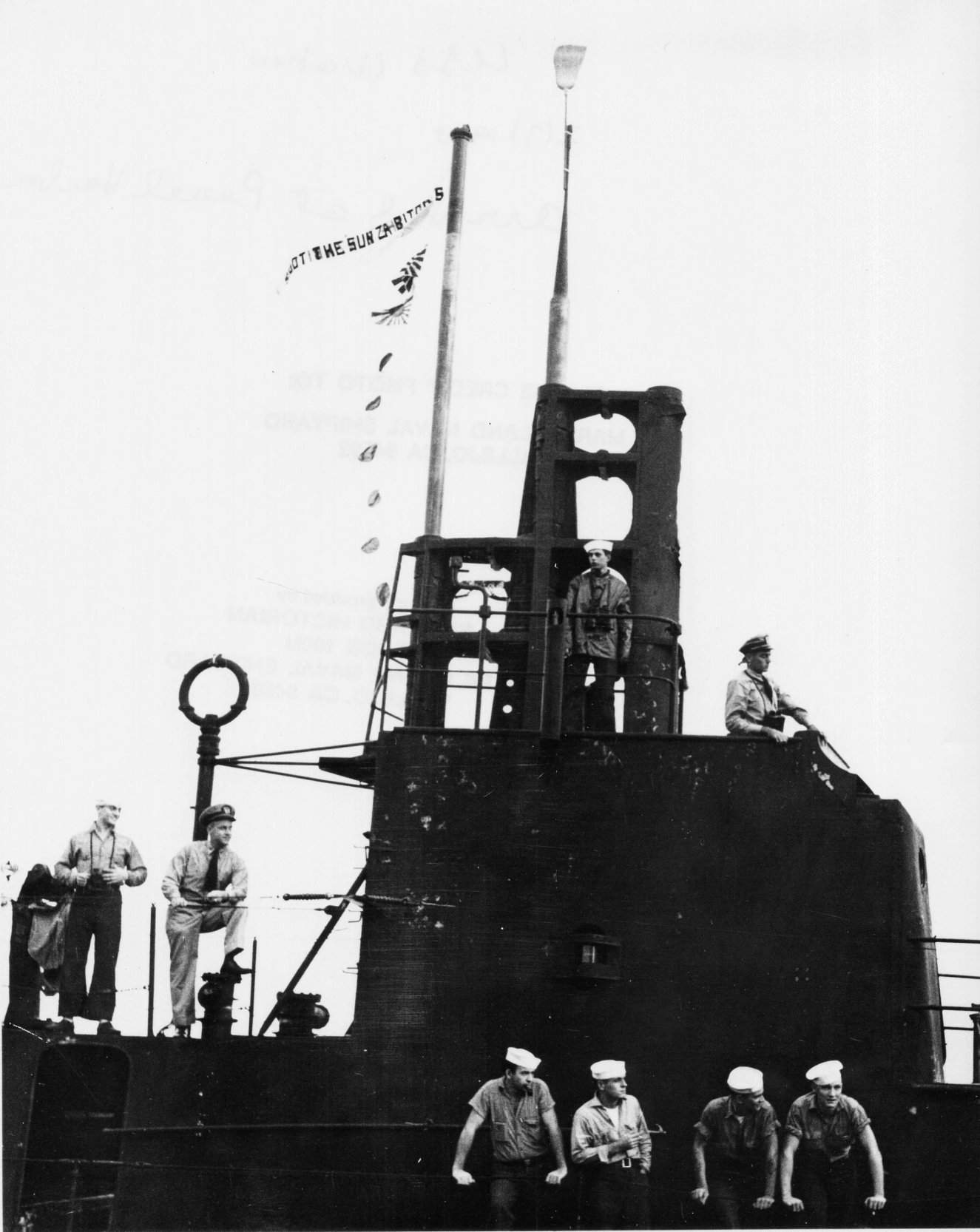
Under the leadership of Lt. Cmdr. Morton, USS Wahoo had already begun making a name for itself by the start of 1943. Morton, a fierce advocate of aggressive submarine warfare, believed that U.S. submarines needed to hunt enemy ships rather than wait for targets to come to them. February 1943 would prove to be one of Wahoo’s most successful months, demonstrating the devastating effectiveness of this bold approach.
February 1, 1943 – The Sinking of Tachibana Maru
Wahoo’s first victim of the month was the Tachibana Maru, a Japanese transport vessel carrying supplies and reinforcements near New Guinea. Morton maneuvered Wahoo into attack position and fired a spread of torpedoes. A direct hit sent the ship to the ocean floor, marking another victory in Wahoo’s increasingly impressive patrol record.
February 7, 1943 – The Sinking of Toko Maru
Just six days later, Wahoo struck again, this time sinking the Toko Maru, another transport ship supporting Japanese forces in the South Pacific. Morton’s strategy of attacking enemy supply lines was proving highly effective, as every lost transport further weakened Japan’s ability to maintain its defensive perimeter. Wahoo’s growing success was not just tactical—it was beginning to shift the morale of U.S. submarine crews, who now saw the impact they could have on the war effort.
February 15, 1943 – The Sinking of Nittsu Maru
Wahoo’s most significant attack of the month came on February 15, when it sank the Nittsu Maru, another Japanese transport ship. By this point, Wahoo had established itself as a nightmare for Japanese shipping. Morton’s aggressive tactics—favoring surface attacks when possible and relentlessly pursuing targets—had turned Wahoo into one of the most feared submarines in the Pacific.
USS Runner (SS-275): February 19, 1943 – The Sinking of Shoan Maru
 While Wahoo was cutting through enemy shipping lanes, USS Runner (SS-275) also contributed to the growing pressure on Japanese supply lines. On February 19, 1943, Runner intercepted the Shoan Maru, a Japanese cargo ship, and launched a precise torpedo strike that sent the vessel to the bottom. This attack underscored the increasing effectiveness of American submarines in strangling Japan’s war economy.
Runner’s success, combined with Wahoo’s aggressive patrols, showcased the Silent Service’s ability to disrupt enemy supply lines across the Pacific. Each sinking meant fewer resources for Japanese forces and further demonstrated the effectiveness of unrestricted submarine warfare.
By the end of February, 1943, Japan’s logistical situation had worsened, with key transport routes under constant threat. These sinkings were more than just tactical victories—they were steps toward the eventual collapse of Japan’s ability to sustain its war machine. As the war progressed, U.S. submarines would continue to sharpen their skills, making every Japanese vessel at sea a potential target for destruction.
1944: The Silent Service Tightens the Noose
By February 1944, the U.S. Navy’s submarine fleet had fully transitioned from a fledgling force to a dominant hunter in the Pacific. The Silent Service was systematically dismantling Japan’s ability to sustain its empire, targeting troop transports, cargo vessels, and supply ships with ruthless efficiency. This month saw some of the war’s most successful submarines—USS Flasher (SS-249), USS Rasher (SS-269), USS Tang (SS-306), and USS Snook (SS-279)—execute precision strikes that further crippled Japan’s already struggling logistical network.
USS Flasher (SS-249): February 16, 1944 – Sinking of Taiei Maru

The USS Flasher, a Gato-class submarine under the command of Lt. Cmdr. Reuben T. Whitaker, was on patrol in the South China Sea when it detected a Japanese transport ship, Taiei Maru, on February 16, 1944. Japan relied heavily on such transports to move supplies and reinforcements across its vast empire, making them prime targets for American submarines.
Flasher maneuvered into position and fired a spread of torpedoes. At least one torpedo struck Taiei Maru, causing catastrophic damage. Within minutes, the ship began to sink, taking critical war supplies with it. The sinking of Taiei Maru exemplified the precision and effectiveness of U.S. submarine operations at this stage of the war. Each lost transport ship brought Japan one step closer to logistical collapse.
USS Tang (SS-306): February 17, 1944 – Sinking of Choko Maru
The USS Tang, under the legendary command of Cmdr. Richard H. O’Kane, was already building a fearsome reputation in the Pacific. O’Kane, a former executive officer of the famed USS Wahoo, carried forward the aggressive tactics of his mentor, Dudley “Mush” Morton. On February 17, 1944, Tang intercepted the Japanese transport Choko Maru and quickly moved into attack position.
Tang fired multiple torpedoes, striking the vessel with deadly accuracy. Choko Maru, like so many other Japanese transports that month, did not stand a chance. As the ship slipped beneath the waves, O’Kane and his crew continued their hunt, ensuring that every Japanese ship in their patrol zone was at risk. Tang’s success further cemented its reputation as one of the deadliest submarines of the war.
USS Snook (SS-279): February 25, 1944 – Sinking of Nichiai Maru

Just over a week later, on February 25, 1944, the USS Snook, commanded by Lt. Cmdr. Charles O. Triebel, struck a significant blow against Japan’s ability to reinforce its troops. Snook detected Nichiai Maru, a troop transport carrying soldiers to reinforce Japanese positions in the Pacific. Unlike merchant ships carrying supplies, troop transports represented direct reinforcements for Japan’s war effort, making them priority targets.
Snook fired a well-aimed spread of torpedoes, striking Nichiai Maru and sending hundreds of Japanese troops into the sea. The sinking of troop transports like Nichiai Maru was critical in preventing Japan from replenishing its garrisons, slowing its ability to defend key territories as the U.S. advanced across the Pacific.
USS Rasher (SS-269): February 27, 1944 – Sinking of Ryusei Maru
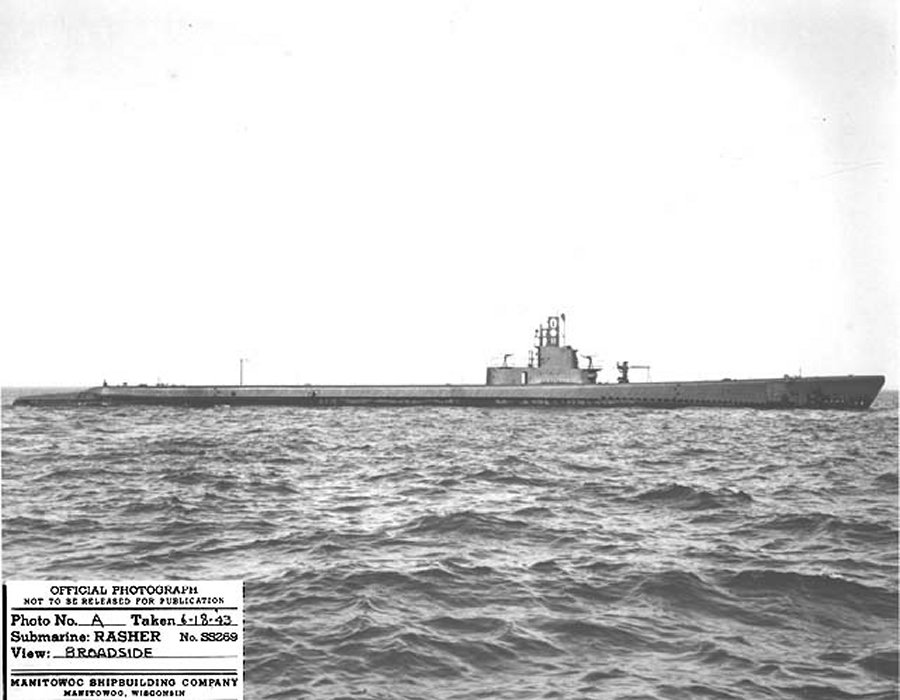
Two days after Snook’s attack, the USS Rasher, under Lt. Cmdr. Willard R. Laughon, continued the assault on Japan’s merchant fleet. On February 27, 1944, Rasher located Ryusei Maru, an enemy freighter, in its patrol zone. Freighters were crucial for moving raw materials and manufactured goods that kept Japan’s war economy functioning.
Rasher moved in for the kill, launching torpedoes that struck Ryusei Maru with devastating force. The freighter quickly succumbed to the damage, marking yet another loss for the already struggling Japanese logistical network. Rasher’s success was part of a larger strategy that by 1944 had made Japan’s shipping lanes some of the most dangerous waters in the world for the enemy.
By February 1944, the Silent Service was executing a well-coordinated and highly effective campaign of economic and military destruction against Japan. The sinkings of Taiei Maru, Choko Maru, Nichiai Maru, and Ryusei Maru were not just isolated victories—they were part of a larger effort that methodically choked Japan’s supply lines.
Submarine commanders like Whitaker, O’Kane, Triebel, and Laughon were at the forefront of this war beneath the waves, using aggressive tactics and precise strikes to ensure Japan’s war machine ground to a halt. Each transport and freighter that went down meant fewer reinforcements, fewer supplies, and fewer chances for Japan to resist the inevitable Allied advance.
1945: USS Batfish’s Unprecedented Anti-Submarine Success
By 1945, Japan’s navy was struggling to keep its vessels afloat as American submarines choked off resources and war materials needed to sustain their war effort. Amidst this dominance, one submarine stood out for an achievement almost unheard of in submarine warfare—USS Batfish (SS-310), which in February 1945 achieved a historic milestone by sinking three enemy submarines in just four days.
This feat made Batfish one of the most successful U.S. submarines in anti-submarine warfare, proving that not only could American submarines decimate enemy shipping, but they could also turn the tables on Japan’s own undersea hunters.
USS Batfish (SS-310): The Hunter Becomes the Hunted
USS Batfish, a Balao-class submarine commanded by Lt. Cmdr. John K. Fyfe, had already demonstrated its prowess in prior patrols. However, in February 1945, during its seventh war patrol, Batfish entered the South China Sea and the waters around the Philippines, an area still contested as U.S. forces pushed closer to Japan. Intelligence reports indicated that Japanese submarines were attempting to reinforce beleaguered garrisons and attack U.S. naval movements. As a result, Batfish’s mission was not just to disrupt Japanese logistics but to hunt enemy submarines—something rarely attempted successfully by any submarine force.
Between February 10 and February 13, Batfish engaged and sank three Imperial Japanese Navy RO-class submarines, setting a wartime record.
February 10, 1945 – Sinking of RO-115
On February 10, 1945, Batfish picked up a faint sonar contact in the waters near Luzon, in the Philippine Islands. The crew tracked the contact, confirming it as a submerged vessel. After hours of careful maneuvering, Batfish gained a firing solution and launched a spread of torpedoes.
One of the torpedoes struck home, and soon the ocean churned with wreckage as RO-115, a Japanese Kaichū-type submarine, was obliterated. The kill marked one of the rare instances where a submarine successfully engaged another submerged submarine. The crew of Batfish, already an experienced combat team, knew they had pulled off something extraordinary—but the best was yet to come.
February 11, 1945 – Sinking of RO-112
The very next day, Batfish received another sonar contact. This time, it was RO-112, another Kaichū-class submarine, which had been attempting to navigate through the same region to support Japanese operations in the Philippines.
Using its superior sonar capabilities, Batfish tracked the enemy sub’s movements. The Japanese vessel attempted evasive maneuvers, but Batfish was relentless. Lt. Cmdr. Fyfe and his crew fired another round of torpedoes, striking RO-112 and sending it to the depths.
Sinking two submarines in two days was virtually unheard of in submarine warfare. Most submarine engagements involved attacking surface ships, as submerged combat was incredibly difficult. However, Batfish had mastered the art of underwater detection and interception, proving itself as one of the deadliest submarines in the Pacific.
February 13, 1945 – Sinking of RO-113
Two days later, Batfish received a new contact. Once again, sonar revealed that it was an enemy submarine—this time RO-113, another of Japan’s once-formidable underwater fleet. The pattern was now clear: Japan was attempting to move submarines through the area, likely to reposition them for defensive operations or sneak past U.S. blockades.
With skill and precision, Batfish outmaneuvered RO-113 and launched yet another torpedo attack. The Japanese submarine had little chance to evade, and within minutes, RO-113 suffered catastrophic damage and disappeared beneath the waves.
In a span of just four days, Batfish had sunk three enemy submarines—a feat unmatched by any other American submarine during the war.
Why Was This Feat So Unusual? Submarine-on-submarine combat was a rarity during World War II. Submarines were designed to hunt surface ships, not engage in undersea battles. While U.S. destroyers and aircraft were the primary threats to Japanese submarines, Batfish’s patrol demonstrated that American submarines could also be highly effective sub-killers when given the right conditions.
Several factors contributed to Batfish’s success:
-
- Superior Sonar and Tracking Techniques – Batfish’s sonar operators were highly skilled in interpreting underwater contacts, distinguishing submarines from ordinary ocean noise. This allowed them to track Japanese subs with incredible accuracy.
- Improved Torpedo Technology – Earlier in the war, American submarines suffered from defective torpedoes. By 1945, these problems had largely been resolved, allowing Batfish to score reliable, lethal hits on enemy submarines.
- Japanese Desperation – By 1945, Japan was running low on experienced submarine crews and was using increasingly risky tactics to move submarines through contested waters. This made them easier targets for skilled U.S. commanders like Lt. Cmdr. Fyfe.
Batfish’s incredible streak of submarine kills made it one of the most celebrated submarines in U.S. naval history. After the war, it was awarded a Presidential Unit Citation, recognizing the bravery and skill of its crew.
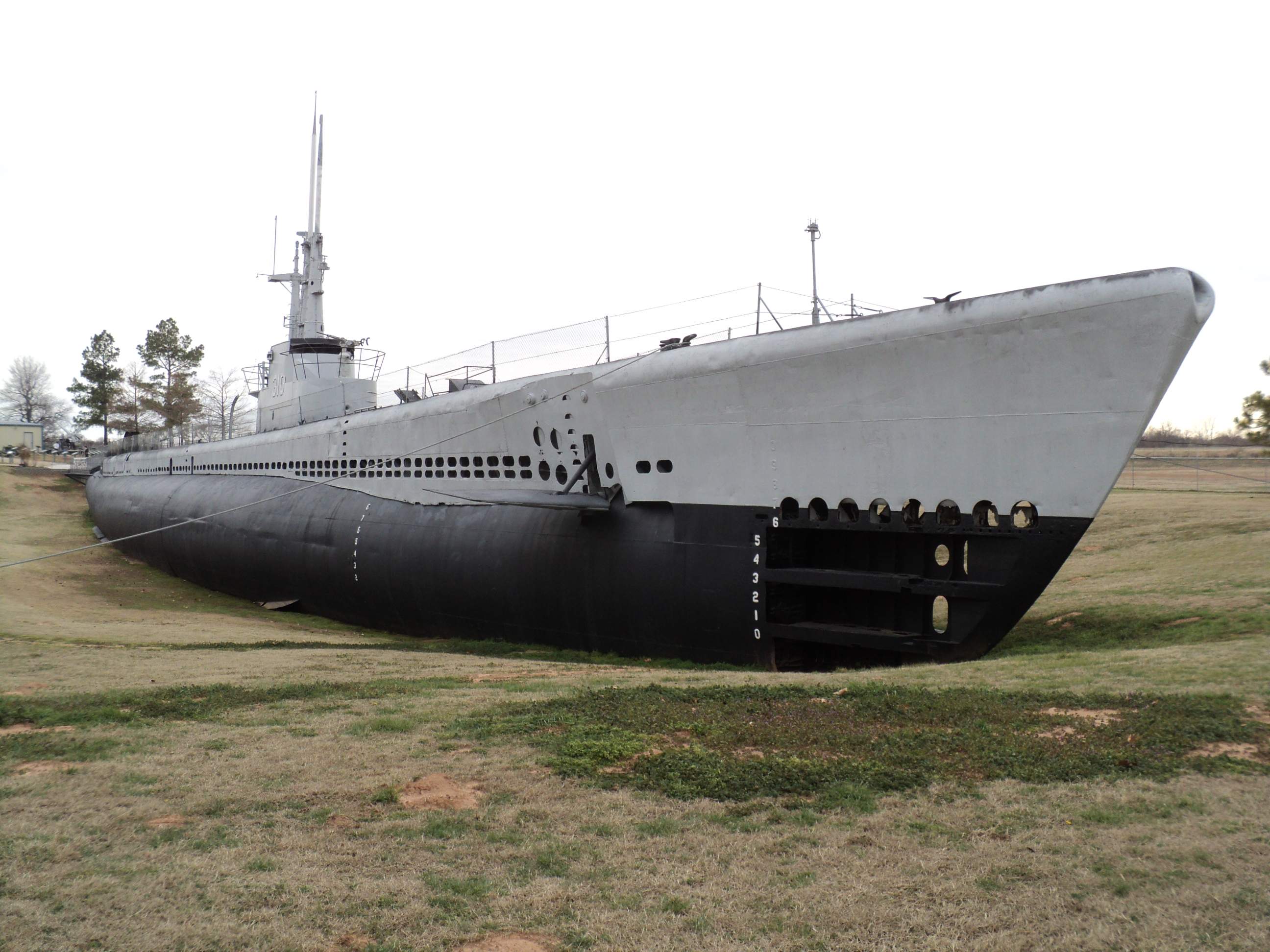
Following its decommissioning, Batfish was preserved as a museum submarine in Muskogee, Oklahoma, where it still exists today as part of the USS Batfish Memorial Park & Museum. Visitors can tour the submarine and learn about its unparalleled success during World War II.
The three submarine sinkings in February 1945 stand as a testament to the evolution of U.S. submarine warfare, proving that the Silent Service could adapt to any challenge—even the deadly game of undersea combat.
By February 1945, Japan’s naval power was crumbling, and its once-feared submarines were no longer safe—even from other submarines. USS Batfish’s record-breaking streak of three submarine kills in four days remains one of the most astonishing feats of the war.
The success of Lt. Cmdr. John Fyfe and his crew demonstrated the pinnacle of American submarine tactics, proving that the Silent Service could hunt anything beneath the waves. As Japan’s empire collapsed under the weight of American air, land, and sea power, Batfish’s exploits symbolized the relentless pressure that ultimately brought World War II to an end.
USS Spadefish (SS-411): February 5, 1945 – Sinking of Kamei Maru
 The USS Spadefish, a Balao-class submarine, was one of the newer additions to the Silent Service, having been commissioned in March 1944. Under the command of Lt. Cmdr. Gordon W. Underwood, Spadefish had already proven itself in previous patrols by sinking multiple enemy ships. On February 5, 1945, while patrolling the East China Sea, Spadefish encountered the Kamei Maru, a Japanese cargo vessel transporting essential supplies to the home islands.
Recognizing the importance of eliminating enemy merchant ships, Underwood maneuvered Spadefish into an ideal attack position. The submarine fired a spread of torpedoes, at least one of which found its mark, causing a series of explosions that quickly sent Kamei Maru beneath the waves.
The sinking of Kamei Maru was part of the larger U.S. strategy to blockade Japan, preventing food, fuel, and war materials from reaching the desperate Japanese military. By 1945, U.S. submarines were sinking Japanese ships faster than they could be replaced, leading to widespread shortages that crippled Japan’s ability to continue the war.
Spadefish’s success on February 5 was just one example of the Silent Service’s deadly efficiency, as the submarine continued to hunt and destroy targets in Japanese waters throughout its patrols.
USS Becuna (SS-319): February 16, 1945 – Sinking of Shinyo Maru

Another key success came on February 16, 1945, when the USS Becuna, a Balao-class submarine commanded by Lt. Cmdr. Hiram Cassedy, intercepted the Shinyo Maru, a Japanese troop transport. By this stage of the war, Japan was desperately moving reinforcements to its remaining strongholds, trying to slow the Allied advance. However, U.S. submarines had become highly adept at identifying and eliminating troop transports, preventing fresh soldiers from reaching the front lines.
Becuna detected Shinyo Maru and moved swiftly into position. The submarine launched torpedoes with deadly precision, scoring multiple hits. Within minutes, Shinyo Maru began listing heavily, and soon after, it disappeared beneath the sea. Hundreds of Japanese troops went down with the ship, further weakening Japan’s ability to defend its collapsing empire.
Like Spadefish’s attack on Kamei Maru, the sinking of Shinyo Maru was part of a much larger campaign to isolate Japan and ensure that reinforcements could not reach their intended destinations. This strategy accelerated Japan’s defeat, as garrisons across the Pacific found themselves cut off and unable to resist the advancing U.S. forces.
As the war neared its climax, the Silent Service remained one of the most decisive elements of the Pacific campaign, proving that the path to victory ran through the depths of the ocean, where American submarines ruled without challenge.
 Patrol Reports
Leave a comment