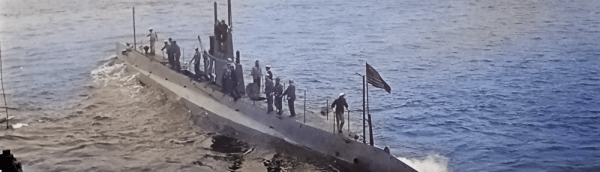
 The USS Grayback (SS-208) was a hunter of the deep, a sleek steel predator that prowled the Pacific with deadly efficiency. By February 1944, she had established herself as one of the most successful American submarines in the war, with a combat record that struck fear into the heart of the Imperial Japanese Navy. Her crew, a hardened and determined group of men, had fought through some of the most treacherous waters in the Pacific. But war is a cruel mistress, and fate had marked Grayback for her final patrol. Continue reading “USS Grayback SS-208”
USS Grayback SS-208


 Patrol Reports