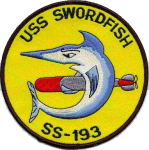
 The USS Swordfish (SS-193), a Sargo-class submarine, represented the vanguard of undersea warfare during World War II. Built at the Mare Island Naval Shipyard and launched in 1939, the Swordfish earned a reputation as a reliable and effective weapon in the Pacific theater. Her record of twenty-one confirmed sinkings, amassing 113,100 tons, reflected her crew’s skill and tenacity. However, her final mission in January 1945 marked the end of her storied service, shrouded in mystery and loss.
Swordfish’s Legacy and the Strategic Situation in 1945
By the time Swordfish embarked on her thirteenth patrol, the tides of war had turned decisively against Japan. American forces had pushed across the Pacific, reclaiming islands and setting the stage for the invasion of Okinawa. Submarines like Swordfish played a dual role: disrupting Japanese supply lines and gathering intelligence critical for the looming battles. Swordfish’s orders were clear—conduct a photographic reconnaissance of Okinawa in preparation for the campaign and patrol the waters around Nansei Shoto, disrupting enemy shipping.

On December 22, 1944, Swordfish departed Pearl Harbor under the command of Lieutenant Commander Keats Montross. After refueling at Midway, she proceeded to her assigned area. The waters she entered were fraught with danger. The Japanese, anticipating an Allied invasion, had heavily mined the approaches to Okinawa and fortified their anti-submarine defenses. Swordfish’s mission was critical, but her path was treacherous.
The Final Days of USS Swordfish
Swordfish acknowledged her final orders on January 3, 1945, when directed to delay operations until the completion of scheduled airstrikes in the area. On January 9, she was instructed to proceed to Okinawa to carry out her reconnaissance mission, a task estimated to take no more than seven days. Swordfish was then to head for Saipan or Midway, depending on radio conditions. This plan, however, never came to fruition.
Kete, another U.S. submarine patrolling near Okinawa, reported a radar contact with an unidentified submarine on January 12, believed to be Swordfish. Four hours later, heavy depth charging was detected in the same area. While Japanese records do not confirm this attack, the coincidence is haunting. Kete’s observations remain the last indirect clue to Swordfish’s fate.
Theories about her loss abound. Japanese minefields around Okinawa were extensive, and it is equally plausible that Swordfish succumbed to a mine as to depth charges from enemy patrol craft. The lack of definitive evidence underscores the perils of submarine warfare and the vastness of the Pacific theater, where countless stories of valor ended in silence.
Reflections on the Crew and Legacy
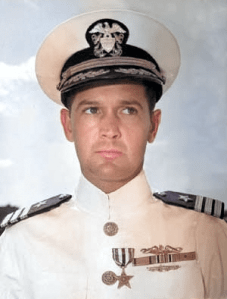
The loss of Swordfish marked a somber chapter in the annals of the U.S. Navy. Among the 89 crew members lost was Lieutenant Commander John B. Pye, son of Admiral William S. Pye, adding a poignant personal dimension to the tragedy. The dedication and sacrifice of Swordfish’s crew echo through history, serving as a testament to the bravery of those who fought beneath the waves.
Her achievements, including the evacuation of Philippine officials and the destruction of Japanese ships, earned Swordfish eight battle stars and a Navy Unit Commendation. These accolades honor a vessel that symbolized the indomitable spirit of the Silent Service.
Today, the USS Swordfish is remembered not only for her victories but for her ultimate sacrifice. The memorial in St. Paul, Minnesota, featuring a torpedo and the names of her crew, stands as a silent reminder of the costs of war and the heroism of those who never returned. As we reflect on Swordfish’s legacy, we are reminded of the enduring lessons of duty, resilience, and the price of freedom.
The Pacific’s depths now hold the final resting place of Swordfish and her crew—a place forever enshrined in the history of World War II.
 Patrol Reports
Leave a comment