The morning of December 17, 1927, began as just another day in the regular, rigorous training routine of the U.S. Navy’s submarine fleet. For the crew of the USS S-4 (SS-109), it was supposed to be a day of standard operations, where the submarine was testing her systems off the coast of Provincetown, Massachusetts. The USS S-4, a part of the United States Navy’s fleet of S-class submarines, had been commissioned in 1922 and was engaged in routine training exercises, designed to ensure her readiness for wartime operations.
The S-class submarines were an evolution of the Navy’s earlier designs, intended to bolster the nation’s submarine capabilities during the interwar period. At just over 200 feet in length, the USS S-4 was equipped with four forward torpedo tubes, and capable of carrying a crew of 37. Though considered an advanced vessel for her time, her operational history had been mostly uneventful. The crew had become accustomed to the steady hum of the engines and the sounds of their drills, unaware that December 17 would bring them into the pages of history, not for their successes, but for a tragedy that would forever alter the course of naval history.

As the S-4 carried out a standard training run—routine by every measure—the crew was focused on compiling data on her speed, efficiency, and performance under specific conditions. These exercises, known as “standardization runs,” were a regular part of a submarine’s operational schedule, intended to gather data for tactical and operational improvement. For the crew, the task at hand was straightforward. They had completed similar runs before, and it was a matter of completing the task as efficiently as possible.
What no one could have foreseen was that the S-4’s final moments would come not from the sea’s depth, but from the surface—a collision with another vessel, a tragedy that would be compounded by the isolated and unforgiving nature of the ocean. That fateful afternoon, as the S-4 made its way along the pre-established course, the unsuspecting crew aboard the U.S. Coast Guard destroyer USS Paulding was about to make a critical decision, one that would lead to catastrophe.
The Sinking of USS S-4: A Fatal Encounter
It was just past 3:30 p.m. when the two vessels crossed paths in a way no one could have anticipated. The Paulding, which had been on its own routine patrol, was speeding through the waters off Cape Cod at 18 knots. It was a standard operation, with no thought of encountering a submerged submarine. The Paulding’s captain had no reason to suspect that anything was amiss as his ship skirting close to shore, a mere 200 feet away from where the S-4 was operating.
The first sign of danger came in the form of two periscopes, barely visible from the Paulding’s bridge. These periscopes belonged to the S-4, which, in the course of its training, had been running just beneath the surface of the water. The officer on watch aboard the Paulding spotted the periscopes under the port bow. The immediate reaction was a command to maneuver hard right, a desperate attempt to avoid a collision, but it was already too late. The high speed at which the Paulding was traveling—around 18 knots—left it with little room for evasive action.
In an instant, the two vessels collided. The Paulding struck the S-4 just forward of the conning tower, at an angle of roughly 30 degrees. The force of the collision was enough to rip through the S-4’s hull, tearing a gaping hole just below the waterline. The submarine, still alive with its crew, immediately began to sink, its bow going under the waves while its stern remained briefly exposed. For 10 to 15 seconds, the S-4 hung in the water, her stern rising above the surface, and then, as if pulled down by some unseen hand, the submarine vanished into the depths.
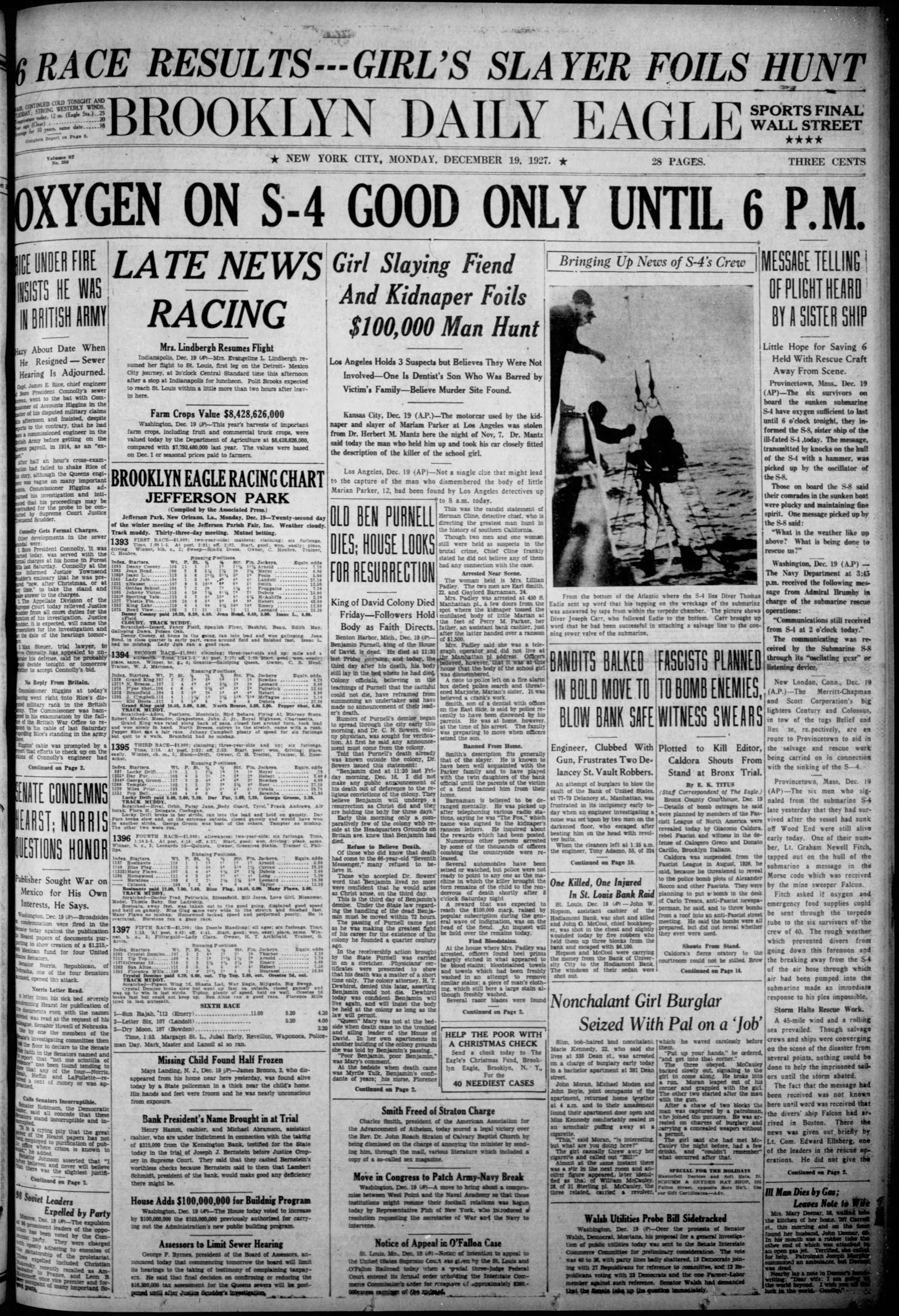
The Paulding, which had continued its forward momentum, was unaware of the scale of the damage. It wasn’t until the vessel had passed over the sinking submarine that the full extent of the disaster began to unfold. The collision had been severe, and while bubbles and oil rose to the surface, the rescue effort immediately began. The Paulding dropped a buoy in the location of the wreck and immediately sent out radio messages, notifying authorities of the disaster. The Navy and Coast Guard began to mobilize their rescue operations.
But as the hours passed, hope began to fade. Despite efforts to locate the S-4, the submarine had disappeared beneath the waves in 102 feet of water—her precise location uncertain and her crew trapped inside.
The Efforts to Save Lives: A Race Against Time
From the moment the wreckage sank, the Navy’s response was immediate. Rescue operations were launched in hopes of finding any survivors. The weather was relatively clear, with moderate winds and some whitecaps on the surface, but the conditions quickly worsened as night fell. The Coast Guard launched boats to patrol the area, and the Navy dispatched multiple ships to aid in the search. The USS Falcon, a submarine rescue vessel, made its way toward the scene, carrying divers and rescue equipment, and soon the area became a hub of activity as more ships and personnel arrived.
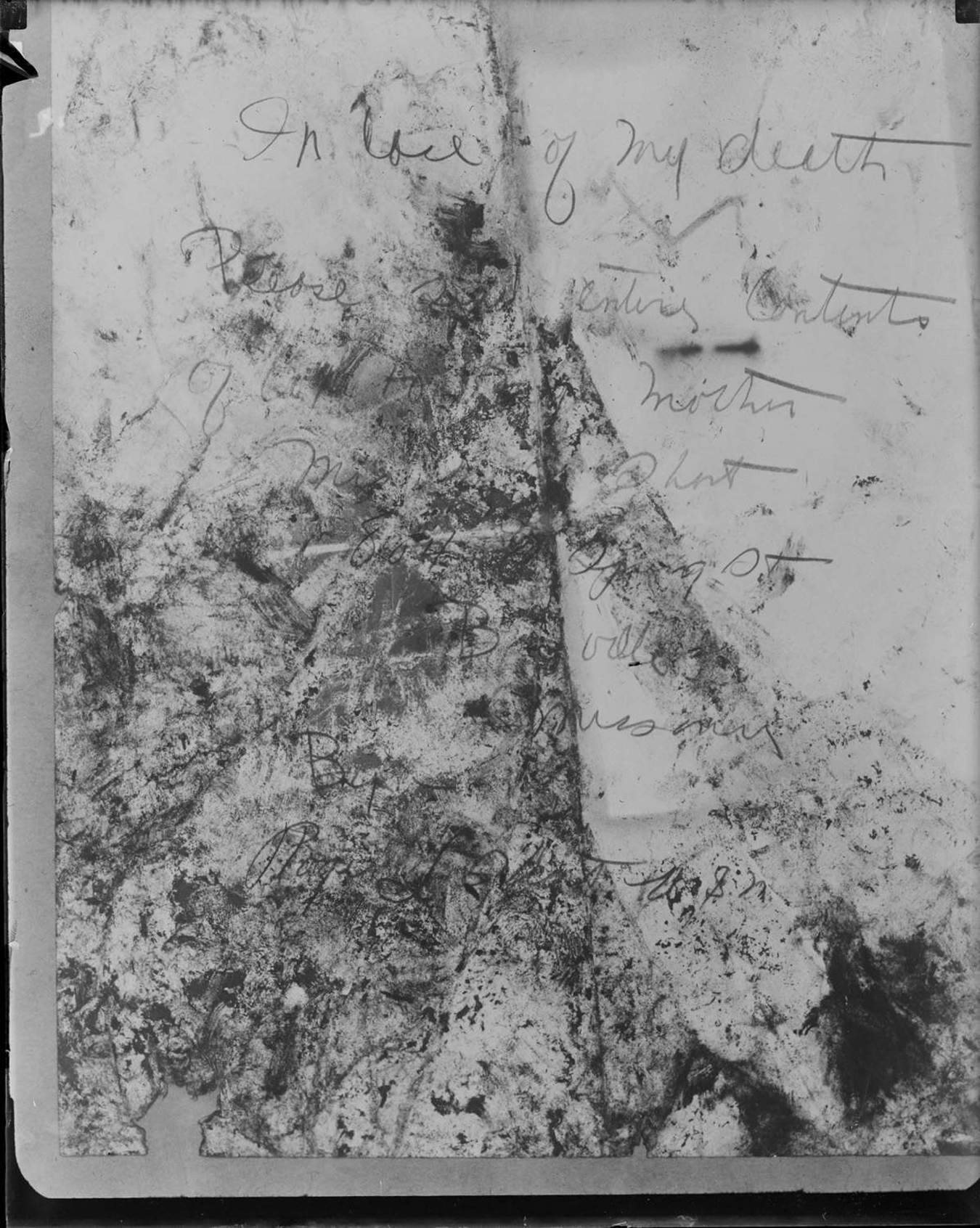
But the weather was unforgiving. Rough seas and high winds made it nearly impossible for divers to work efficiently. The first diver sent down reported hearing taps from the torpedo room of the S-4. It was a flicker of hope, but the chances of survival were slim. As the hours passed, the diver discovered the wreckage entangled in debris, and efforts to pump air into the submarine’s ballast tanks—an emergency maneuver designed to bring it back to the surface—failed.
The divers worked tirelessly, despite the frigid water temperature of 34 degrees Fahrenheit, and the dangerous conditions that often left them trapped in the wreckage themselves. One diver, Michael Michaels, became fouled in the wreckage for over three hours before being rescued, unconscious and severely frostbitten. It was a grim reminder of the dangers faced by those who ventured into the dark, cold waters to save the men trapped in the S-4.
Unfortunately, it was soon confirmed that the men in the forward torpedo room were the only ones alive, but they too, were lost to the suffocating atmosphere of CO₂ that had built up in the submarine’s compartments. Despite efforts to pump fresh air into the submarine and provide life-saving oxygen, it was too late. The men of the S-4 had perished.
The Salvage and Recovery of USS S-4
With the loss of the crew, the mission quickly shifted from rescue to salvage. The focus now was on recovering the submarine and her crew for proper burial. The Navy launched an intense operation, bringing in floating cranes and salvage pontoons to raise the wreckage of the S-4. The process was difficult and painstaking, interrupted frequently by bad weather and rough seas. But after months of determined effort, on March 17, 1928, the S-4 was finally raised and towed to Boston for a full investigation.
The bodies of 32 crew members were recovered during the salvage operation, found in the aft compartments of the submarine. The divers who retrieved them described a haunting scene—men who had perished while in the act of seeking refuge from the rising waters, their bodies in positions that suggested they had lain down peacefully, unaware of the fate that was to befall them.
The Investigation: Uncovering the Truth
The loss of the USS S-4 became the subject of a formal investigation, which was launched by the Senate’s Subcommittee on Naval Affairs. The investigation was thorough, examining every aspect of the disaster—from the circumstances surrounding the collision to the response efforts and the actions of the Navy. The testimony of those involved, including Commander J.H. Hoover, who oversaw many aspects of the recovery, painted a picture of a tragic yet avoidable accident.
The investigation examined whether the collision could have been prevented and whether the Navy’s response was adequate. It was determined that there was a lack of coordination between the submarine’s crew and the surface vessels, which contributed to the confusion and delayed rescue efforts. The investigation also concluded that the failure to maintain the submarine’s position after the collision made it difficult to locate her, contributing further to the tragedy.
A Legacy of Loss: Lessons from the USS S-4 Disaster
The sinking of the USS S-4, and the tragic loss of 34 sailors, stands as a stark reminder of the risks and sacrifices made by those who serve in submarines. The disaster not only brought attention to the dangers faced by submariners but also underscored the need for improved safety measures and better coordination between surface vessels and submarines.
In the years following the tragedy, the U.S. Navy implemented numerous reforms to enhance the safety and effectiveness of its submarine operations. These included improvements in communications, rescue operations, and submarine design, all of which were aimed at preventing a similar tragedy from occurring again.
But the loss of the USS S-4 also forged a bond between submariners that has endured to this day. The bravery and determination of those involved in the rescue and recovery efforts left an indelible mark on the Navy, and the lessons learned from the sinking have been passed down through generations of submariners.
Today, the memory of the USS S-4 serves as both a cautionary tale and a testament to the courage of those who risk their lives beneath the waves. For U.S. Submarine Veterans, the story of the S-4 is not just a chapter in history—it is a reminder of the unbreakable spirit of the men and women who serve in the silent service, forever bound by the sea they call home.
 Patrol Reports
My new book about S-4 is now out. Title is: SAIL FOUR: A Submarine Story by David Zeni. Available newly published on eBay.com or Alibris.com. Not listed on Amazon.com as yet.
LikeLike