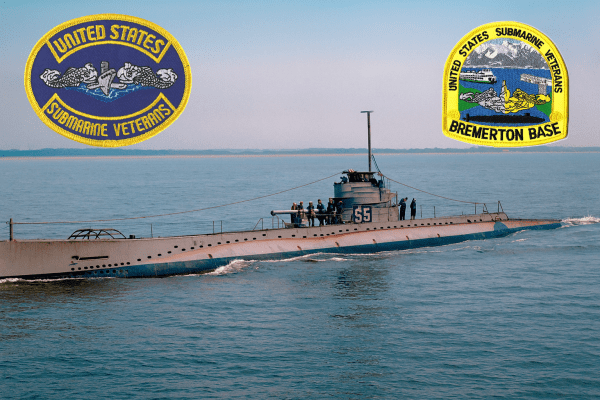

In the summer of 1920, the United States Navy had a new submarine to boast about. USS S-5, hull number SS-110, was one of the latest S-class boats, built not just for coastal defense but for true blue-water operations. She measured 231 feet in length, with a beam just shy of 22 feet, displacing 876 tons on the surface and 1,092 tons when submerged. She carried four 21-inch bow torpedo tubes, a 4-inch deck gun, and a crew of thirty-eight men. The S-class boats represented a new era of American submarine design, conceived during World War I and forming the backbone of the Navy’s undersea force through the 1920s. But with innovation came problems, and the S-5 carried a flaw that would prove decisive. Her main air induction valve, vital for sealing the submarine when diving, was notoriously hard to close.

 Patrol Reports